What is the Purpose of Infrared Panels in Home Heating?
Infrared panels have emerged as a popular solution in home heating. These panels use infrared radiation to warm objects and spaces directly. This method can improve energy efficiency. According to a report from the U.S. Department of Energy, infrared heating can reduce energy costs by up to 30%. Many homeowners seek reliable heating options as utility bills rise each year.
The performance of infrared panels is impressive. They provide even, comfortable heat without the drafts often associated with traditional systems. Studies indicate that infrared heating can improve indoor air quality. Unlike forced-air systems, these panels do not circulate dust and allergens. This feature is significant for families with allergies or respiratory issues.
However, there are a few aspects to consider. Infrared panels may not effectively heat larger spaces without additional units. They can also require a larger upfront investment compared to conventional systems. Evaluating your home’s layout and personal heating needs is essential. In sum, infrared panels have substantial potential in modern home heating solutions.

Understanding Infrared Heating Technology in Home Heating
Infrared heating technology has gained traction in home heating due to its unique approach. Unlike traditional heating methods, it warms objects directly rather than heating the air. This results in a more efficient and comfortable heat distribution throughout a room. According to the Department of Energy, infrared heating can reduce energy costs by 30%-50% compared to conventional systems.
The efficiency of these panels is remarkable. Studies show that infrared panels can achieve temperatures of up to 180°F while consuming less energy. This is vital in energy-conscious households. Each infrared panel operates silently, providing a peaceful environment. Maintenance is minimal, which is a significant advantage for busy homeowners.
However, challenges exist. Not every home is suitable for infrared heating. Placement and insulation can affect performance. Some users report uneven heating if panels are not strategically positioned. Understanding these factors is crucial for optimizing their benefits. As the demand for energy-efficient solutions grows, infrared panels offer a promising yet complex option in modern heating systems.
Infrared heating panels provide high energy efficiency and fast heating speed while maintaining low operating costs. They promote comfort levels by directly warming objects and people, reducing air circulation and improving air quality by minimizing dust movement.
How Infrared Panels Work to Generate Heat Efficiently
Infrared panels generate heat by using infrared radiation, a method that differs from traditional heating systems. These panels emit infrared rays that directly warm people and objects in a room, rather than heating the air. According to the U.S. Department of Energy, this approach can be up to 30% more efficient than conventional heating methods. By focusing on objects and occupants, infrared panels create a comfortable environment quickly.
The energy efficiency of infrared panels is compelling. Studies show that they use less energy to achieve the same level of warmth as other systems. For instance, infrared heaters warm a space in minutes, compared to the longer time required by convection heaters. However, the reliance on direct heat may leave some areas cooler if not positioned correctly. This poses a challenge for effective installation and placement.
Users report various experiences with infrared heating, highlighting both benefits and shortcomings. While many appreciate the energy savings, others find it necessary to periodically adjust their settings. The ease of use tends to vary, and proper knowledge of how to optimize their setup is crucial. Understanding the pitfalls and strengths of infrared heating can help homeowners make informed decisions while looking for an efficient heating solution.
Benefits of Using Infrared Panels for Home Heating
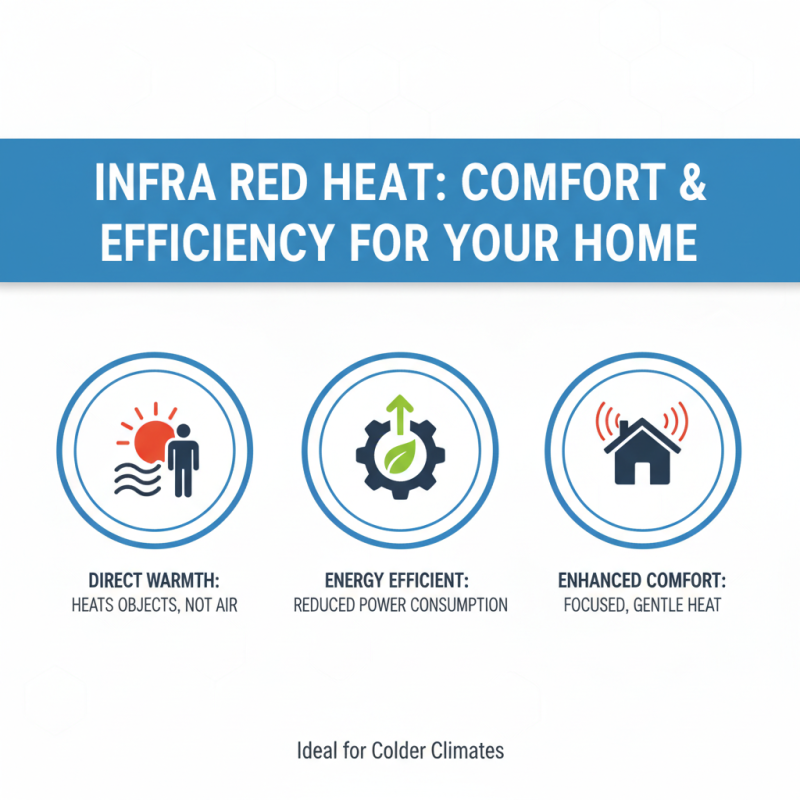
Infrared panels have gained popularity in home heating due to their unique benefits. These panels heat objects directly rather than warming the air. This can create a more comforting and focused warmth in your living space. Many homeowners appreciate this efficient heating method, especially in colder climates.
One significant advantage of infrared panels is their energy efficiency. They can provide warmth with lower energy consumption compared to traditional heating systems. Homeowners often notice reduced energy bills, which can be a welcomed change. Additionally, infrared heating can eliminate cold spots in rooms, creating a more uniform temperature throughout the space.
However, not every home is suited for infrared technology. Some users may find that these panels take time to warm up the room initially. It requires a thoughtful approach to ensure proper placement and maximum benefit. Balancing these factors will help homeowners decide if infrared panels are the right choice for their heating needs.
Comparing Infrared Heating with Traditional Heating Methods
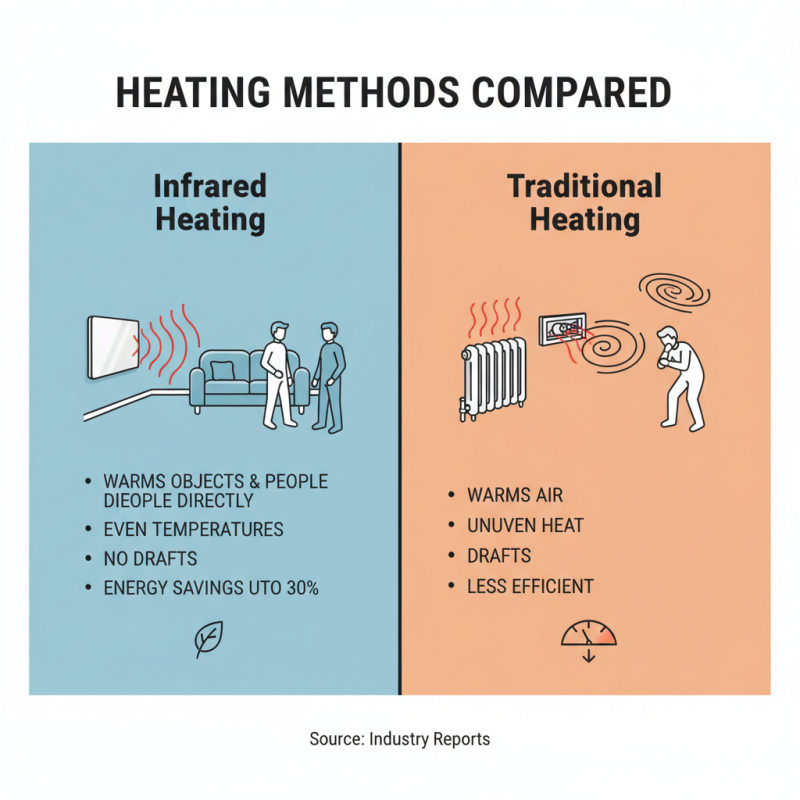
Infrared heating panels operate quite differently from traditional systems, such as radiators or forced air. Traditional heating warms the air in a room, which then heats up objects. This process can lead to uneven temperatures and drafts. In contrast, infrared panels emit radiant heat that directly warms people and objects within the space. This efficiency can lead to energy savings of up to 30% compared to conventional heating methods, according to various industry reports.
Another notable aspect is the speed of heating. Infrared panels can begin to warm a room in just a few minutes. Traditional systems, like boilers or heat pumps, often require longer to achieve defined temperatures. Consequently, users may feel more immediate comfort. However, one must consider the initial installation costs. Infrared panels can be less expensive to install, but their long-term effectiveness greatly depends on the building’s insulation and design.
Despite their benefits, infrared heating also presents challenges. For example, relying solely on these panels during extreme cold may not be sufficient without additional support. Additionally, people may find the direct heat uncomfortable at first. Understanding these nuances is vital for homeowners looking to switch their heating solutions. Balancing immediate comfort with long-term efficiency can dictate the best choices for heating needs.
Considerations for Installing Infrared Panels in Your Home
Infrared panels offer a modern solution for home heating. When considering installation, it’s essential to evaluate the specific needs of your space. According to a recent study by the Energy Saving Trust, infrared heating can reduce energy bills by up to 50% compared to traditional radiators. However, this technology isn't a one-size-fits-all solution.
Placement is crucial. Panels need strategic positioning to maximize efficiency. Ideally, they should be mounted on walls or ceilings facing the areas that require heating. An analysis by the International Energy Agency indicates that incorrect placement can lead to uneven heating and cold spots. Proper installation can mitigate these issues and enhance comfort levels.
Another consideration is insulation quality. Homes with poor insulation may not see significant energy savings. Investing in better insulation can complement infrared heating systems, making them more effective. Data from the American Council for an Energy-Efficient Economy suggests that homes with good insulation maximize the benefits of infrared panels. Yet, not all homes are suited for this upgrade, so assessment is key.