
FAQS

2026 Best BM Shoes for Men and Women?

Finding the best bm shoes in 2026 starts with how and where you plan to wear them. A pair that feels comfortable during a short fitting may rub after a full day on your feet. Fit comes first. Check the shape around your toes, the hold at your heel, and whether the shoe feels stable when you walk. Materials, cushioning, grip, and care requirements also deserve a close look. Small details matter.

This guide compares options for men and women using practical factors, including intended use, construction, comfort, sizing information, and overall value. Shoe names and styles can be confusing, so check the product description and current specifications before buying. Availability and fit may vary by retailer, model, and individual foot shape. When possible, try shoes on later in the day, when feet can be slightly larger, and wear the socks you expect to use. If ordering online, review the return policy and measure both feet; one may be wider or longer.

No single pair suits everyone. A sleek design might look appealing but feel too firm for long walks, while a softer sole may not provide the support you prefer. That trade-off is worth noticing. The recommendations ahead aim to make comparisons clearer, not to promise a perfect match. Use them as a starting point, then weigh your own comfort, budget, and routine. A brief test walk can reveal more than a product photo.
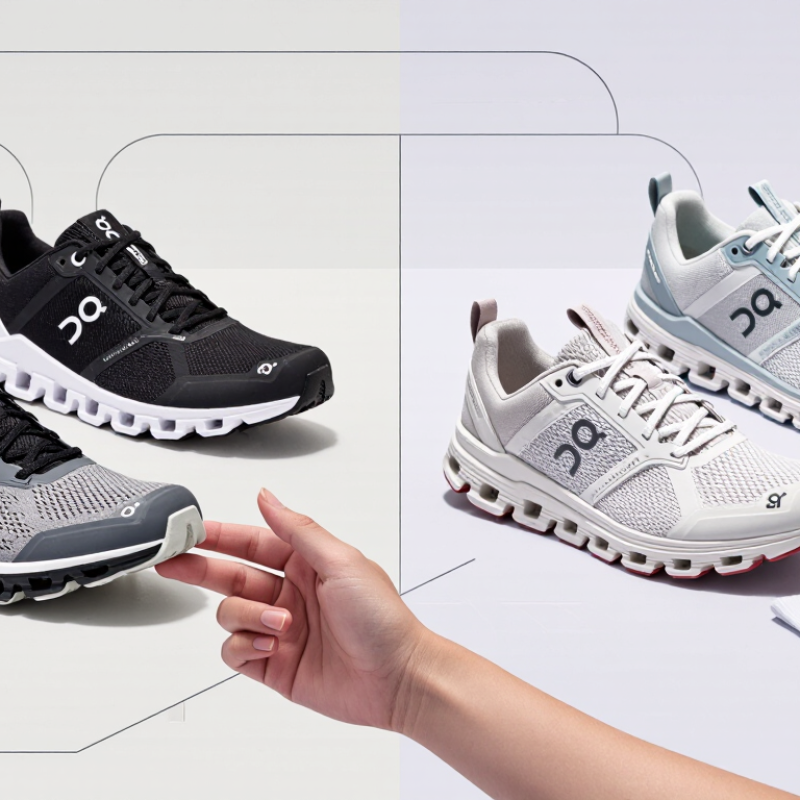
2026 Best BM Shoes for Men and Women?

What BM Shoes Are and Who They Are Designed For

BM shoes usually means barefoot or minimalist shoes, though the label is not used consistently. Most have a wide toe box, a thin, flexible sole, and little or no heel-to-toe drop. That shape lets toes spread and gives the wearer more contact with the ground. It does not automatically improve posture or make feet stronger.

These shoes may suit people who want more toe room for daily walking, light training, or travel. They can feel especially different on stairs, pavement, and uneven paths. A roomy fit matters, but so does a secure heel. People used to cushioned shoes may need time to adjust. Start with short walks, not a full day. Slow changes are sensible.

Check the fit while standing, ideally later in the day when feet may be slightly larger. Your toes should move without pressing against the front or sides. Try bending the shoe by hand; a very flexible sole is common, but it may offer less protection from sharp or rough surfaces. Some initial awkwardness is normal. Pain is not a badge of progress. If soreness persists, reduce wear and consider advice from a qualified foot-care professional.

Key Features to Compare in 2026 BM Shoes

When comparing BM shoes in 2026, start with fit, not appearance. Measure both feet late in the day, when they may be slightly larger. Check the length and width guide for each shoe, since sizing can vary by design. A thumb-width of space at the toe helps, but the heel should not lift with every step. Fit comes first.

Next, match the sole and upper to daily use. For long walks, look for a flexible forefoot, steady heel support, and cushioning that feels even underfoot. A grooved rubber outsole can improve grip on wet pavement, though no sole prevents every slip. If the shoes are for work, inspect the seams and high-wear areas. Small details matter. Breathable mesh may feel cooler, while denser materials can offer more structure; the trade-off is real.

Compare weight, closure, and care needs too. Lace-up styles allow finer adjustment, while slip-ons are quicker but may fit less securely. Read product specifications carefully, and treat claims such as “all-day comfort” as prompts to test, not proof. If possible, walk indoors for several minutes and notice pressure near the toes or arch. I would not choose solely by photos; even a well-reviewed pair can feel wrong on your foot. That part is easy to overlook.

Popular BM Shoe Styles for Men and Women

Popular BM Shoe Styles for Men and Women

Popular BM shoe styles for men and women often include low-top sneakers, supportive high-tops, retro court shapes, and chunky-soled designs. Low-tops pair easily with jeans, relaxed trousers, or casual dresses. High-tops add ankle coverage and a more noticeable silhouette. Retro court styles feel clean and versatile, while thicker soles can make an outfit look bolder. Neutral colors work across more outfits; bright panels or textured uppers add personality. The best choice depends on your routine, not just the current look.

Tips: Try shoes on with the socks you usually wear. Walk on a firm indoor surface and check for heel slipping or pressure across the toes. Check both feet. A thumb’s width of space at the toe is a useful starting point, but comfort matters more than a fixed measurement.

For daily wear, consider cushioning, grip, and how easily the upper can be cleaned. Mesh may feel airy, while smooth synthetic or leather-like finishes are often simpler to wipe down. If you stand for long periods, test the shoes for several minutes rather than judging them at a glance. I sometimes choose a striking style and later wear it less than expected. That is worth considering before buying.

How to Choose BM Shoes for Your Activities and Fit

2026 BM shoes are easier to choose when you start with the activity, not the trend. For court sessions, look for stable side support and an outsole with grip suited to the playing surface. For walking or daily wear, prioritize cushioning that feels comfortable after several minutes, not just during a quick try-on. If you train on different surfaces, check whether the tread and upper can handle that use.

Fit matters as much as features. Try shoes later in the day, when feet may be slightly larger, and wear your usual socks. Leave a little room in front of your longest toe, while keeping the heel secure during a brisk walk and a few side steps. Forefoot pressure or heel slipping is a warning, not something to ignore and hope will improve. Small details count.

BM labels can be vague, so compare the actual construction rather than relying on the name alone. Check the shoe’s weight, flexibility, outsole pattern, and return terms. A soft feel in the store does not guarantee comfort during a long session. One imperfect test is better than none: walk, turn, and stop in the pair before deciding. Your activity, foot shape, and preferred feel may differ from popular recommendations. That is normal.

Sizing, Comfort, and Care Tips for BM Shoes

BM shoes should feel secure without squeezing your toes. Measure both feet late in the day, when they may be slightly larger. Use the longer measurement and compare it with the shoe’s size chart; sizing can vary between styles. Leave a little room in front of your longest toe, but avoid so much space that your foot slides forward. Heel lift matters. Try them with the socks you expect to wear, then walk on a clean, level surface. Check for rubbing around the heel, pressure across the widest part of your foot, and numbness. A chart helps, but it cannot tell you how a shoe will feel on your foot.

Comfort often needs a short adjustment period, especially if the sole feels firmer or more flexible than your usual pair. Start with brief walks and increase wear only if your feet feel fine afterward. Persistent pain is a reason to stop and reassess the fit, not something to push through. For care, brush off dry dirt with a soft brush and wipe the upper with a damp cloth. Let shoes air-dry away from heaters and direct sun; heat can warp materials or weaken adhesives. Remove insoles to dry separately when possible. Care labels differ, so check them before using soap or washing the shoes. Even careful cleaning may leave marks. Don’t scrub harder just to make them look new.

2026 Best BM Shoes for Men and Women? - Sizing, Comfort, and Care Tips for BM Shoes

Shoe Type Suitable Use Sizing and Fit Guidance Comfort Features to Look For Care Tips
Walking Shoes Daily walks, commuting, and long periods on your feet. Try shoes later in the day, when feet may be slightly larger. Check that the heel feels secure and toes can spread without pressure. Cushioned midsole, flexible forefoot, breathable upper, and a stable heel fit. Air out after wear. Brush off dry dirt and spot-clean the upper with mild soap and a damp cloth.
Running Shoes Road running, treadmill sessions, or everyday athletic use. Fit can vary by design. Leave roughly 10–15 mm of space in front of the longest toe, then confirm the shoe does not slip or pinch. Comfortable cushioning, a secure midfoot, and a flexible fit suited to your activity and foot shape. Remove loose dirt after runs and let shoes dry naturally away from direct heat. Replace when cushioning or outsole wear affects comfort or grip.
Casual Sneakers Everyday wear, travel, and light activities. Choose the size that holds the heel comfortably while allowing natural toe movement. Check fit with the socks you expect to wear. Padded collar, breathable lining, flexible sole, and enough room across the forefoot. Clean according to the upper material. Avoid machine washing unless the care label specifically permits it.
Work Shoes Workplaces that require dependable support or protective footwear. Try them with work socks and any required inserts. Safety-toe styles should not press on the toes when standing or walking. Stable construction, supportive insole, secure fastening, and job-appropriate slip or impact protection where required. Wipe away dirt and moisture after use. Follow the care instructions for leather, synthetic materials, and any protective components.
Hiking Shoes Trails and uneven outdoor terrain. Test on an incline if possible: toes should not hit the front when walking downhill, and the heel should stay in place. Protective toe area, secure lacing, supportive platform, and outsole traction appropriate for the terrain. Remove mud with a soft brush, take out the insoles to dry, and allow shoes to air-dry naturally.
How to Choose a Size Useful for both men and women shopping across different sizing systems. Measure both feet while standing and use the longer foot to guide selection. Compare measurements with the specific shoe’s size chart; conversions between sizing systems are approximate. Fit should feel comfortable from the start, with no painful pressure, numbness, or repeated heel slipping. Rotate between pairs when possible so each pair has time to dry fully between wears.

Fit note: Shoe sizing and shape vary by style and manufacturer. Use the relevant size chart and prioritize a comfortable fit over a number on the label.

Article Source: