
FAQS

2026 Top Bird Control Spikes Types for Global Buyers?

Bird Control Spikes remain a practical choice for protecting ledges, signs, rooftops, and warehouse beams in 2026. Global buyers now face more options, including stainless steel, polycarbonate, narrow-base, wide-base, and flexible spike systems. Each type suits different surfaces, bird pressures, weather conditions, and maintenance plans. A coastal hotel may need corrosion-resistant steel, while an indoor logistics facility may prefer lightweight plastic. The right product is rarely the most aggressive-looking one.

This guide compares the main Bird Control Spikes types through practical purchasing criteria. It considers material quality, spike width, base flexibility, adhesive compatibility, drainage, packaging, and installation access. Reliable selection should also reflect local bird behavior and the building’s design. Manufacturer specifications, tested load information, and clear maintenance instructions can reveal more than attractive product images. Small details matter. A poorly bonded base can collect dust, trap water, or detach during seasonal temperature changes. Some installations also require professional review, especially on fragile roofing or historic façades. Buyers should check applicable local requirements before ordering or installing any system. No product works perfectly everywhere. That is worth admitting. This overview therefore highlights both strengths and limitations, helping distributors, contractors, and facility owners make clearer decisions. It also encourages humane, non-lethal control methods that protect property without unnecessary harm to birds.
2026 Top Bird Control Spikes Types for Global Buyers?

What Are Bird Control Spikes and How Do They Work?

Bird control spikes are passive physical deterrents. They do not trap or injure birds. Instead, their angled pins remove the flat landing space birds prefer. When a pigeon approaches a ledge, the spikes make balancing uncomfortable. The bird usually chooses a safer nearby surface.

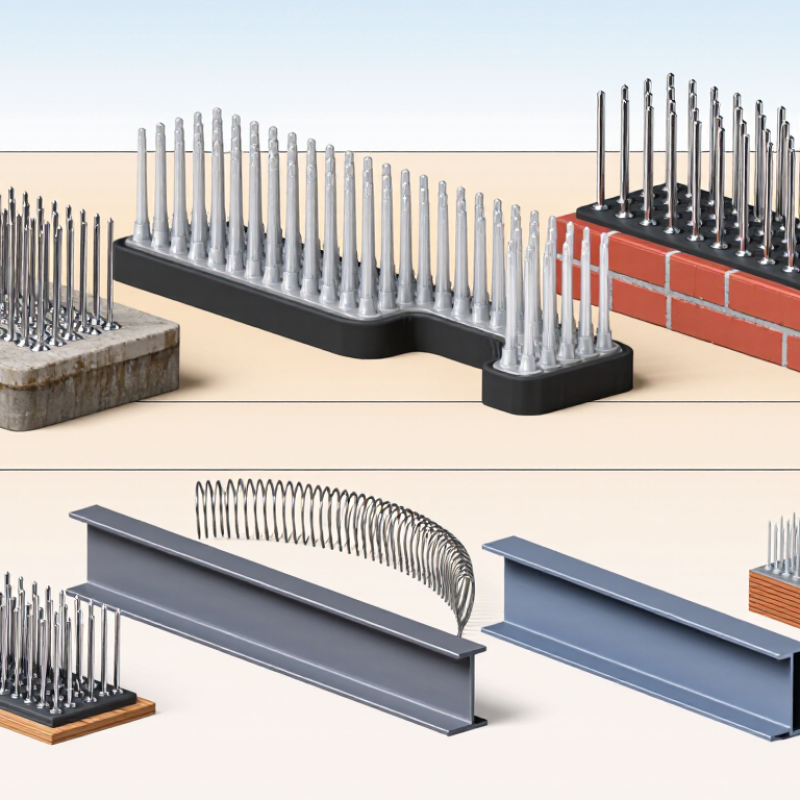
Common 2026 options include stainless-steel spikes, UV-stabilized polymer spikes, single-row designs, and wider double-row systems. Stainless steel suits exposed roofs and industrial ledges. Polymer types weigh less and work well on signs, air-conditioning units, and narrow trim. Flexible bases can follow curved surfaces, but uneven mounting may leave gaps. That weakness deserves attention. The FAA Wildlife Strike Database recorded 19,603 reported wildlife strikes at U.S. airports in 2023. The figure does not prove spikes prevent every incident, but it shows why proactive habitat management matters.

Tips: Clean nesting material before installation, then measure the ledge carefully. Choose spike width according to bird size and landing depth. Secure every section with compatible adhesive or mechanical fasteners. Inspect after storms and during nesting seasons. Spikes work best when paired with sanitation, netting, or visual deterrents. Poor placement can simply move the problem a few metres away. Data from the FAA Wildlife Hazard Mitigation Program also supports regular inspection, documentation, and site-specific control planning for safer facilities.

Which Bird Control Spike Types Are Available in 2026?

Bird control spikes in 2026 are available in several practical forms. Buyers can choose single-row, double-row, or multi-row designs, depending on ledge width and bird pressure. Single-row spikes suit narrow window sills and signs. Wider ledges need two or more rows for better coverage. Gaps matter. Even a small unprotected corner can invite pigeons back.

Stainless steel spikes remain suitable for exposed roofs, parapets, and industrial buildings. They resist sunlight, rain, and temperature changes when properly manufactured. Polycarbonate spikes are lighter and often easier to cut around corners. Their clear appearance may suit residential façades. Flexible-base models can follow slightly uneven surfaces, while rigid bases work better on straight masonry. Some low-profile types reduce visual impact around entrances and balconies. Chimney-specific models use adjustable fittings instead of ordinary adhesive bases.

Installation quality often matters more than spike height. Clean dust and grease from the surface first. Measure the full landing area before cutting sections. I have seen gaps appear because installers measured only the visible front edge. That mistake is easy to repeat. Adhesive alone may fail on wet, porous stone, especially during winter. Mechanical fixing can improve stability, but the substrate must be checked carefully. Spikes also discourage perching; they do not remove food, nesting material, or nearby shelter. In difficult sites, buyers may need wider coverage, regular inspection, or a combined humane control plan. Some assumptions remain uncertain, particularly where birds approach from several levels.

How Should Global Buyers Compare Spike Materials and Designs?

Global buyers should compare bird control spikes by exposure, not appearance. The FAA Wildlife Strike Database recorded 19,603 reported wildlife strikes in 2023, with birds representing most incidents. This reinforces the need for durable exclusion around airports, warehouses, food facilities, and rooftops.

Stainless steel spikes suit coastal, humid, or industrial areas because they resist corrosion better than ordinary steel. Grade 316 is often preferable near saltwater, while 304 can suit milder environments. Polycarbonate bases reduce weight and may simplify installation, but ultraviolet exposure can make low-grade plastic brittle. Look for documented UV testing, stable mounting holes, and a base that follows uneven ledges. Material is only half.

Design details decide performance. The USDA APHIS Wildlife Damage Management Technical Series identifies physical exclusion as a dependable bird-management approach when correctly installed. Buyers should compare spike height, coverage width, wire thickness, and spacing against the target species. Wider ledges need wider coverage, not merely taller points. Flexible bases can seal curved surfaces, yet excessive flexibility may leave gaps. Drainage channels matter after heavy rain. Adhesive-only mounting can fail on dusty masonry; mechanical fasteners usually provide stronger retention when the substrate allows them. I would not claim one design fits every roof. Field inspection still matters, and cheap components sometimes perform well in sheltered locations. That assumption needs testing.

Where Are Different Bird Spike Systems Most Suitable?

2026 Top Bird Control Spikes Types for Global Buyers: Where Are Different Bird Spike Systems Most Suitable?

Choosing bird spikes depends on the surface, bird size, weather, and cleaning routine. Narrow stainless steel spikes suit ledges, signs, window sills, and narrow architectural edges. They resist rain, sunlight, and coastal moisture better than many basic materials. Wider systems provide stronger coverage for larger birds and deeper landing areas. However, oversized spikes may look intrusive on small residential features.

Polycarbonate spike bases work well on painted concrete, stone, and irregular surfaces when properly fixed. Their lighter weight helps with certain façade applications, but intense sunlight can affect cheaper materials over time. Flexible systems are useful around curved signs and pipes. Wire-based deterrents fit long, clean ledges where birds repeatedly land. They require accurate tension and regular inspection. No system is perfect. Dust, nesting debris, or poor adhesive preparation can reduce performance quickly. A practical site check remains more reliable than selecting from photos alone.

Tips: Match spike width to the target bird, not only the ledge width. Clean and dry the surface before installation. Use mechanical fasteners where wind, vibration, or heavy rain is expected. Inspect after storms and during nesting seasons. Check local wildlife rules before disturbing active nests. Test a small section first, because appearance and bird behavior can differ from expectations.

2026 Top Bird Control Spikes Types for Global Buyers? - Where Are Different Bird Spike Systems Most Suitable?

Bird Spike System Type Typical Material Typical Protected Width Most Suitable Locations Common Target Birds Installation Method Main Advantages Key Limitations
Narrow Single-Row Spikes UV-stabilized polycarbonate base with stainless-steel wires Approximately 50–100 mm Narrow ledges, window sills, sign edges, residential parapets Small pigeons, sparrows, starlings Adhesive, screws, or clips on clean, level surfaces Compact, discreet, economical, and easy to cut to length Limited coverage for large birds or deep ledges
Double-Row Spikes Stainless steel or UV-stabilized polymer with metal wires Approximately 100–150 mm Medium-width parapets, roof ridges, balconies, warehouse beams Pigeons, mynas, starlings, smaller gulls Adhesive, screws, rivets, or mechanical clips Good balance between coverage, appearance, and cost May not stop determined large gulls on very wide surfaces
Triple-Row Heavy-Duty Spikes Marine-grade stainless steel, commonly grade 304 or 316 Approximately 150–200 mm Industrial roofs, bridges, monuments, loading bays, exposed ledges Large pigeons, gulls, crows, rooks Mechanical fixing is generally preferred; adhesive may supplement Broad coverage and strong resistance to wind, impact, and corrosion Higher cost and more visible than narrow systems
Flexible Base Spikes Stainless-steel wires fixed to a flexible polymer base Approximately 100–200 mm Curved parapets, irregular stonework, pipes, rounded signs Pigeons and medium-sized perching birds Adhesive, cable ties, clips, or screws depending on the substrate Conforms to uneven or curved surfaces better than rigid bases Requires careful spacing and secure fixing on highly exposed sites
Low-Profile Architectural Spikes Low-visibility stainless steel or UV-resistant polymer Approximately 50–120 mm Historic façades, hotels, public buildings, retail storefronts Pigeons, sparrows, starlings Concealed adhesive or carefully selected mechanical fasteners Minimal visual impact and suitable for appearance-sensitive projects Less effective on wide ledges or against large aggressive birds
Solar-Panel Bird Spikes UV-resistant polymer base with stainless-steel or coated wires Typically 100–200 mm along panel edges Solar-panel perimeters, rooftop equipment, cable-entry zones Pigeons, starlings, sparrows Solar-compatible adhesive or non-penetrating clips; avoid drilling panels Helps limit roosting, nesting, droppings, and cable damage around panels Must not obstruct drainage, ventilation, maintenance access, or panel movement
Gutter and Roof-Edge Spikes UV-stabilized polymer with stainless-steel support wires Approximately 75–150 mm Gutters, eaves, roof edges, rainwater channels Pigeons, sparrows, starlings Clips or compatible adhesive; keep water flow unobstructed Targets common roosting points without covering the entire roof Debris and nesting material require regular inspection and cleaning
Anti-Nesting Ledge Spikes Stainless steel or flexible UV-resistant polymer Approximately 150–300 mm Deep ledges, air-conditioning platforms, bridge cavities, service platforms Pigeons, gulls, crows, larger urban birds Multiple rows with mechanical fixing on wide surfaces Provides wider exclusion coverage where one row is insufficient Not a substitute for netting where birds can enter a large open void
Marine-Environment Stainless Spikes Grade 316 stainless steel with corrosion-resistant fittings Approximately 100–200 mm Coastal buildings, ports, marinas, offshore-adjacent structures Gulls, pigeons, cormorants, larger coastal birds Stainless-steel screws, rivets, clamps, or approved marine adhesive Improved resistance to salt spray and humid coastal conditions Higher material cost; routine inspection remains necessary in severe exposure
Buyer selection note: Choose the system according to ledge width, bird size, substrate, wind exposure, corrosion conditions, maintenance access, and local wildlife-protection regulations. The dimensions shown are typical industry ranges; exact performance depends on installation quality and site conditions.

What Installation, Safety, and Maintenance Factors Matter?

2026 Top Bird Control Spikes Types for Global Buyers: What Installation, Safety, and Maintenance Factors Matter?

Selecting bird control spikes requires more than comparing stainless steel and plastic bases. Field inspections often show that poor surface preparation causes early failure. Dust, oil, loose coatings, and standing water can weaken adhesives. Clean the substrate, check its strength, and follow the adhesive supplier’s curing time. Fit matters. Spikes should cover the full landing zone, including edges and sheltered corners.

Fit matters. Spikes should cover the full landing zone, including edges and sheltered corners.

Roof access creates another risk. The U.S. Bureau of Labor Statistics recorded 865 fatal falls, slips, and trips in 2022. Therefore, installers should use approved access equipment, edge protection, and documented work procedures. Never treat spikes as fall protection. Their sharp tips also require gloves, eye protection, and controlled handling. A site survey should identify nesting activity before installation. Removing active nests without authorization may breach wildlife rules.

Maintenance is often underestimated.
No spike system is maintenance-free. That assumption is where many projects fail. Access changes everything.

Maintenance is often underestimated. A 2023 Grand View Research analysis estimated the global bird control market at about 1.4 billion U.S. dollars, reflecting wider demand for durable prevention systems. However, higher demand does not guarantee correct installation. Inspect spikes after storms, freezing weather, and nearby construction. Remove feathers, leaves, droppings, and adhesive debris without bending the rails. Check loose fasteners and separated bases. No spike system is maintenance-free. That assumption is where many projects fail. Access changes everything.