
FAQS
Why Choose a Ventless Electric Fireplace?
A Ventless Electric Fireplace can add warmth, light, and visual comfort without requiring a chimney or exterior vent. It suits apartments, renovated rooms, and homes where structural changes are impractical. Installation is often simpler because the unit uses a standard electrical connection. However, “simple” does not mean careless.
Unlike wood-burning or gas models, it does not burn fuel or produce combustion gases. Its flame effect usually comes from LEDs, reflective surfaces, and carefully designed projections. The heater uses electric resistance to create warmth, while the display can operate independently. This separation helps users enjoy a glowing fire during mild evenings without unnecessary heat.
In real homes, placement matters. A unit beneath a television should follow the manufacturer’s clearance instructions. Furniture, curtains, and rugs must stay away from heat outlets. A qualified electrician can confirm circuit capacity, especially in older properties. Product certification, thermal protection, warranty terms, and clear installation guidance also deserve attention.
The experience is convenient.
Still, a Ventless Electric Fireplace is not perfect. It may provide less atmosphere than a real flame, and its heating range depends on room size and insulation. Some models also create noticeable fan noise. These limitations are easy to overlook when attractive images dominate the buying process. A careful decision compares design, energy use, maintenance, safety features, and personal expectations. With realistic planning and responsible installation, this fireplace can become a practical focal point rather than a decorative impulse.
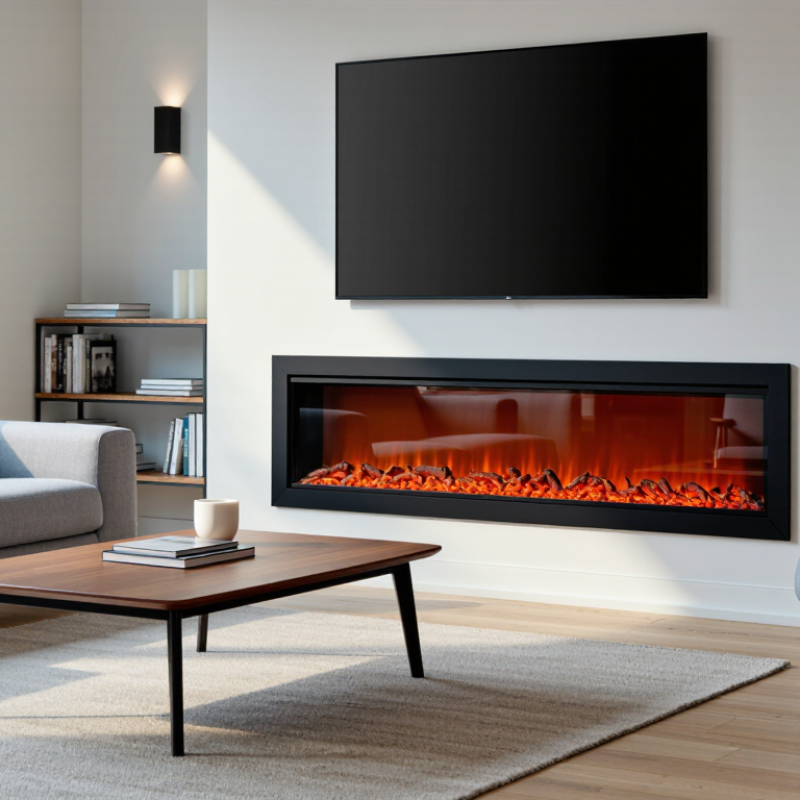
What Is a Ventless Electric Fireplace?
A ventless electric fireplace produces heat without burning fuel inside the room. It uses electric resistance heating and a fan to distribute warm air. Unlike gas fireplaces, it needs no chimney, flue, or combustion-air connection.
The U.S. Department of Energy states that electric resistance heaters convert nearly 100% of supplied electricity into heat at the point of use. However, this does not represent the total environmental impact. Electricity generation still creates emissions, depending on the local energy mix.
There is no flame. That distinction matters.
In practical use, installation usually involves a suitable electrical circuit, safe clearances, and a stable wall or floor surface. The National Fire Protection Association reported that heating equipment was involved in approximately 44,210 home structure fires annually between 2016 and 2020. This statistic covers many heating appliances, not electric fireplaces alone, but it supports careful placement and maintenance.
Keep curtains, paper, and furniture away from the heater outlet. Check the power cord regularly. Never cover the unit while operating.
A ventless electric fireplace can feel simple, yet “simple” is not the same as risk-free. Some models may also consume meaningful electricity during long winter evenings, an overlooked detail worth measuring with a household energy monitor.
How Does a Ventless Electric Fireplace Work?
A ventless electric fireplace works without a chimney, flue, or gas burner. It uses electrical resistance heating to warm a metal element. A quiet fan then moves heated air into the room. The flame effect usually comes from LEDs and reflective materials, so it can operate without producing real fire.
The U.S. Department of Energy explains that electric resistance heating converts nearly 100% of incoming electricity into heat at the point of use. However, electricity generation losses still occur before power reaches the home. The Energy Information Administration’s 2020 Residential Energy Consumption Survey reported that space heating represented about 42% of residential energy use. This makes thermostat control important.
In practical use, a ventless electric fireplace can warm a small living area, but it may not replace central heating in a large, poorly insulated room. That limitation is easy to overlook.
Tips: Keep the air intake and outlet clear. Place the unit on a stable, non-combustible surface. Check the electrical rating before using an extension cord. The U.S. Consumer Product Safety Commission also advises keeping heaters at least three feet from curtains, furniture, and bedding. I would not treat the flame effect as proof of strong heating performance. Check the wattage, room size, thermostat accuracy, and operating instructions instead.
What Are the Main Benefits of Choosing One?
Why Choose a Ventless Electric Fireplace?
A ventless electric fireplace produces heat without burning fuel. It needs no chimney, flue, or gas connection. That simplifies installation in apartments, bedrooms, and renovated rooms. The U.S. Department of Energy states that electric resistance heating converts nearly 100% of incoming electricity into heat at the point of use. This does not guarantee low bills, though. Electricity prices and room insulation still matter.
Indoor air quality is another practical benefit. The U.S. Environmental Protection Agency links combustion appliances with potential carbon monoxide, nitrogen dioxide, and particle emissions. An electric fireplace creates no onsite combustion emissions. It also avoids ash, soot, and routine chimney cleaning. Less mess. That matters near pale walls, rugs, and furniture.
Zone heating can reduce unnecessary heating in unused areas. The U.S. Energy Information Administration reports that space heating remains one of the largest energy uses in American homes, so targeted warmth deserves attention. Many models include thermostats, timers, and adjustable flame effects. These controls improve comfort, but users may overestimate their savings. A glowing flame effect still consumes electricity. The National Fire Protection Association recommends keeping heaters clear of combustible materials and following manufacturer instructions. Ventless does not mean risk-free. Warm glass, damaged cords, and poor placement still require careful judgment.
Which Features and Designs Should You Consider?
A ventless electric fireplace suits rooms where a chimney is impossible or unnecessarily expensive. Its flame effect creates atmosphere without producing combustion gases indoors. The U.S. Department of Energy notes that electric resistance heaters convert nearly 100% of consumed electricity into heat at the point of use. That figure is useful, but incomplete. Electricity generation and local rates still affect running costs.
Features should match your daily habits. Choose adjustable flame brightness, a flame-only mode, thermostat control, and an automatic overheat shutoff. A remote control helps, though it can disappear under a sofa. Wall-mounted designs save floor space, while inserts create a built-in appearance. Freestanding models work better in rented rooms or changing layouts. Check the required voltage, circuit capacity, and manufacturer clearance before installation. A qualified electrician should inspect the connection.
Design also needs practical judgment. A narrow room may look crowded with a deep mantel. A low, wide firebox often feels calmer beneath a television. The U.S. Energy Information Administration’s 2020 Residential Energy Consumption Survey reported that space heating represented about 42% of household energy use. Therefore, efficient controls matter more than decorative logs alone. NFPA research recorded about 48,530 home heating equipment fires from 2016 to 2020. Electric fireplaces avoid open flames, but they still need clear vents and dust-free air intakes. I once preferred the brightest flame setting; it quickly looked artificial. Subtle lighting usually feels more convincing.
Why Choose a Ventless Electric Fireplace? - Which Features and Designs Should You Consider?
| Feature or Design Factor | Typical Facts | Why It Matters | What to Consider |
|---|---|---|---|
| Vent-Free Installation | Electric models do not burn fuel and normally do not require a chimney, flue, or exhaust vent. | Installation can be simpler and more flexible than a wood-burning or gas fireplace. | Follow the product manual, electrical requirements, and local building or fire-safety rules. |
| Heating Capacity | A common high setting is 1,500 watts, which produces approximately 5,100 BTU per hour. Lower settings may use about 750 watts. | This provides supplemental heat for a room rather than replacing a whole-home heating system. | Choose the output according to room size, insulation, ceiling height, and the local climate. |
| Power Requirement | Many residential units use a standard 120-volt outlet; a 1,500-watt unit draws about 12.5 amps at 120 volts. | Electrical planning affects placement, safety, and whether a dedicated circuit is advisable. | Avoid extension cords unless the manufacturer specifically permits them, and check the circuit rating. |
| Flame-Only Mode | Many electric fireplaces can display the flame effect without activating the heater. | It allows year-round ambiance without adding heat to the room. | Look for independently controlled flame brightness, ember lighting, and heat functions. |
| Temperature Control | Thermostatic controls are available on many models and can cycle the heater to maintain a set temperature. | Automatic control can improve comfort and prevent unnecessary heating. | Compare thermostat accuracy, temperature range, remote-control access, and manual override options. |
| Safety Features | Common features include overheat protection, automatic shutoff, cool-touch controls, and a tip-over switch on some freestanding designs. | These features reduce—but do not eliminate—electrical and heat-related risks. | Keep fabrics and furniture away from the heater outlet and maintain every clearance specified in the manual. |
| Design Format | Common formats include wall-mounted, recessed or built-in, insert, media-console, and freestanding units. | The format determines installation effort, visual impact, storage needs, and portability. | Measure the opening, wall depth, floor area, viewing height, and access to an electrical outlet. |
| Flame Appearance | LED-based flame effects are commonly used and may include adjustable brightness, color settings, logs, crystals, or ember beds. | The visual effect is the main ambiance benefit because there is no real combustion flame. | View the flame from your normal seating position and check whether the display looks natural in both bright and dim rooms. |
| Sound and Controls | Some units offer crackling audio, remote controls, touch panels, timers, or app-based controls; availability varies by model. | Control options affect daily convenience and the realism of the experience. | Choose a model with independently adjustable sound and a timer if quiet operation or scheduled use is important. |
| Energy Use | At the point of use, electric resistance heating converts nearly all incoming electrical energy into heat; operating cost depends on wattage, usage time, and electricity price. | It makes energy consumption relatively easy to estimate. | Use the formula: operating cost = kilowatts × hours used × local electricity rate. |
| Indoor Air Quality | Because an electric fireplace has no combustion process, it does not produce combustion gases such as carbon monoxide during normal operation. | No combustion emissions are released into the room from the appliance itself. | It still requires proper electrical installation and should not be covered or operated with damaged cords or plugs. |
| Maintenance | Routine care generally involves dusting, cleaning the glass or viewing surface, and keeping air inlets and outlets unobstructed. | There is no ash removal, chimney sweeping, or fuel-line maintenance. | Disconnect power before cleaning and follow the manufacturer’s recommended maintenance procedure. |
| Best Use Case | Electric fireplaces are well suited to apartments, bedrooms, living rooms, offices, and spaces where a traditional vent system is impractical. | They combine decorative ambiance with convenient supplemental heating. | Select the size and format based on the room layout, intended heating role, installation restrictions, and preferred visual style. |
Note: Specifications and safety features vary by model. Always verify the electrical rating, installation clearances, and operating instructions before purchase and installation.
How Safe and Energy-Efficient Are Ventless Electric Fireplaces?
Ventless electric fireplaces avoid combustion, so they produce no indoor carbon monoxide, smoke, or fuel-burning exhaust. The U.S. Department of Energy states that electric resistance heaters convert nearly 100% of their electricity into heat at the point of use. That sounds highly efficient. However, power-plant emissions and electricity prices still affect the overall result.
A typical 1.5-kilowatt heater uses 1.5 kilowatt-hours every hour at full output. A thermostat can reduce that demand. A timer helps prevent accidental overnight operation. Safety still needs attention. The glass and nearby surfaces may become very hot, and overloaded outlets can create hazards. NFPA’s Home Structure Fires report found that heating equipment caused about 44,210 home fires annually from 2016 to 2020. This figure covers all heating equipment, not electric fireplaces alone, but it shows why clearance matters.
Keep curtains, paper, and furniture away from the heater. Plug the unit directly into a suitable wall outlet. Avoid extension cords unless the installation instructions specifically permit them. I would not describe any heater as risk-free. Children can touch hot surfaces, and dust can collect around vents. Regular inspection is practical, even when no chimney exists. The “ventless” label removes combustion concerns, not every electrical or household risk.
Skip to content
