Best Cotton Double Sleeping Bag for Camping in 2026?
A Cotton Double Sleeping Bag can make chilly nights at camp feel more like sleeping at home, especially when two people share a roomy bed. But comfort depends on more than a soft cotton lining. The bag’s insulation, shape, zipper design, and temperature rating all affect how well it performs. A spacious bag may feel cozy in a tent, yet take up valuable room in a small car.
Cotton has a pleasant, familiar feel against the skin. It can also absorb moisture, so a damp night or slow drying time may become inconvenient. That trade-off matters. For a 2026 buying guide, we’ll look beyond marketing claims and compare practical details: packed size, total weight, fabric construction, care instructions, and the conditions each bag is designed for. Always check the manufacturer’s temperature guidance; ratings are not a guarantee that every sleeper will stay warm. Personal comfort varies.
There is no perfect pick for every trip. A couple camping at a mild, established campground may value softness and space, while backpackers may prioritize lighter gear. Sometimes cotton is simply too heavy. We’ll also consider whether the bag’s dimensions truly fit two adults and whether its materials suit the expected weather. A careful comparison can help you choose a comfortable option without overlooking its limitations.
What Defines a Cotton Double Sleeping Bag for Camping?
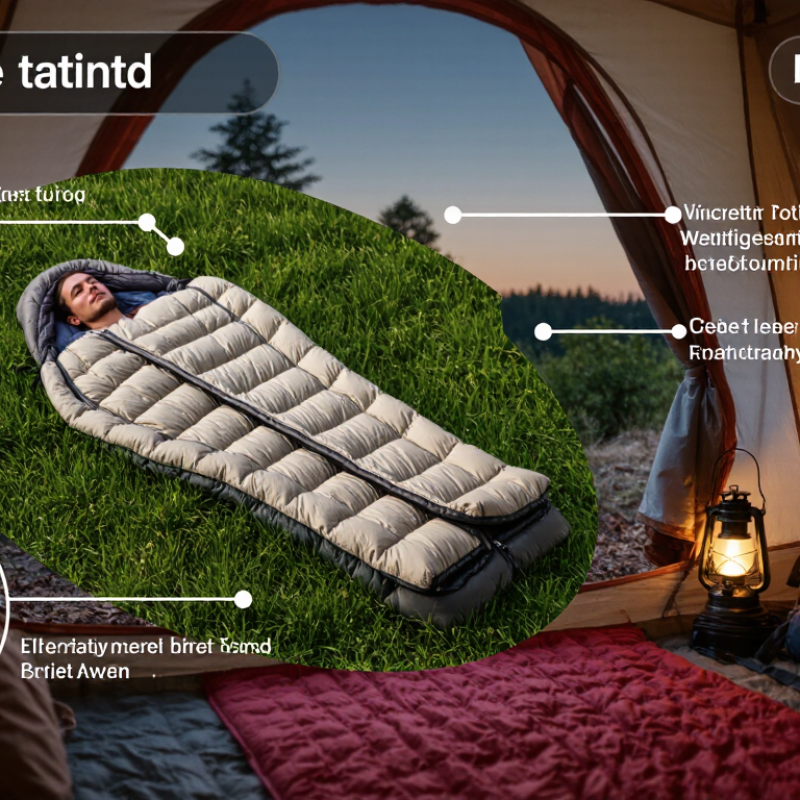
A cotton double sleeping bag is defined by more than its fabric label. “Double” should mean usable room for two adults, with enough shoulder and foot space to turn without pulling the other sleeper’s insulation flat. Cotton may form the shell, lining, or filling, so check the product specification carefully. A cotton lining does not mean the insulation is cotton. Small distinction, big difference.
Textile Exchange’s 2024 Materials Market Report estimated global fiber production at 124 million tonnes in 2023, with cotton making up roughly one-fifth. That scale explains cotton’s familiarity, not its warmth. For camping, check the bag’s temperature rating and how it was tested. ISO 23537-1 sets requirements and test methods for sleeping-bag thermal performance, offering a more useful comparison than fabric claims alone. A roomy bag can still feel cold if air circulates around both sleepers.
Cotton feels soft against skin and can be comfortable on dry, mild-weather trips. But it absorbs moisture and dries slowly; damp lining can feel clammy by morning. I would not treat “cotton” as a warmth guarantee. Look for a clear temperature rating, dimensions, filling details, and zipper design. Then consider your campsite’s humidity and overnight low. Tiny details matter. A wide shared bag is cozy, but one sleeper’s shifting can open a cold gap.
How Cotton Linings and Shell Fabrics Affect Comfort and Warmth
Best Cotton Double Sleeping Bag for Camping in 2026?
A cotton lining feels soft against skin and can reduce the slick, noisy feel of some synthetic interiors. But cotton absorbs moisture, so sweat or damp clothing may leave the lining feeling clammy by morning. Cotton Incorporated’s Cotton Fiber Reference Guide lists cotton’s standard moisture regain at about 8.5%, compared with roughly 0.4% for polyester. These figures describe moisture held by the fibers under standard conditions, not the total water a sleeping bag can absorb. Small distinction, important one.
The shell fabric helps manage wind and outside moisture. A tightly woven shell can limit drafts, while a water-resistant finish may help with brief contact with tent condensation. Neither makes a bag waterproof. Loft, fit, and trapped air still provide much of the insulation; fabric choices mainly affect comfort and moisture management. For meaningful temperature comparisons, check whether ratings follow ISO 23537 testing. Even then, fit and clothing can change how warm a shared double bag feels. That trade-off is easy to underestimate.
Tips: Air the bag out after each trip, especially if its cotton lining feels damp. Keep it off wet ground, and compare shell construction alongside temperature ratings. A cotton lining may feel lovely at bedtime, yet dry slowly.
Which Features Matter When Two People Share a Sleeping Bag?
Best Cotton Double Sleeping Bag for Camping in 2026?
Sharing changes the fit problem. Two sleepers need room to turn without pulling the insulation tight or exposing a cold strip between them. Measure the usable width at the shoulders and hips, not just the bag’s advertised width. Check that both people can reach a zipper easily. Small detail. A draft tube behind each zipper and a shaped footbox help limit cold spots. A shared bag also works best with two sleeping pads joined edge to edge; gaps can chill the person near the middle.
Cotton feels soft against skin, but it absorbs moisture and dries slowly. That matters when two people add warmth and humidity through the night. For car camping in dry conditions, a cotton lining may be comfortable; for damp trips or long hikes, consider a quicker-drying lining.
175.8 million U.S. outdoor recreation participants in 2023. The Outdoor Industry Association’s 2024 Outdoor Participation Trends Report counted this total. The figure signals broad demand, but it does not tell you which bag will fit a particular pair.
Compare temperature ratings carefully. ISO 23537-1:2022 sets laboratory testing and labeling requirements for adult sleeping bags, but a rating cannot predict every couple’s comfort. People differ in sleep temperature, clothing, and tolerance for drafts. One easy mistake is choosing a bag by its lowest advertised temperature alone. Check the insulation type, total weight, zipper layout, and whether the two sleepers can adjust ventilation separately. I would still test the fit at home; product dimensions can feel different once you add bulky layers.
How to Compare Cotton Double Sleeping Bags for 2026 Camping
When comparing cotton double sleeping bags for 2026 camping, start with the nights you expect, not the season printed on the label. Check the comfort rating and ask whether it comes from a recognized test method; ratings from different methods may not compare well. Ratings are not guarantees. A cold sleeper may feel chilly well above the stated limit, especially on damp ground.
Compare the bag’s usable width and length with the people who will share it. A spacious bag feels less restrictive, but a large interior can leave extra air to warm. Look for a full-length zipper, secure draft tube, and a hood or collar that closes without pressing against your face. Cotton lining feels familiar against skin, yet cotton can hold moisture and takes longer to dry than many synthetic fabrics. That matters after a humid night or a leaky tent.
Check the packed weight, folded size, care instructions, and shell fabric before buying. A heavy cotton bag may suit car camping, but it can be tiring to carry on a long walk. If possible, inspect the zipper and seams in person; small snags can become irritating at midnight. I would also compare the price against a separate sleeping pad, since ground insulation affects comfort more than many shoppers expect. I still find product temperature claims a little hard to judge without clear testing details.
How to Use and Care for a Cotton Double Sleeping Bag
A cotton double sleeping bag works best when the campsite is dry and the shelter has steady airflow. Lay a groundsheet beneath it, then unzip the bag briefly before bedtime to release trapped warmth and moisture. Share the space without piling heavy clothing inside; layers you can remove make temperature changes easier to manage. Keep shoes, damp towels, and water bottles outside the sleeping area. Small habits matter.
Cotton can feel soft against the skin, but it absorbs moisture and dries slowly. If the bag gets damp, spread it fully in a ventilated, shaded place until the filling is dry. Avoid packing it away while it still feels cool or clammy. Check the care label before washing, since a large double bag may be too heavy for some home machines. Use a suitable cycle and mild detergent only when the instructions allow it. Check the label.
After a trip, air the bag again before storage. Keep it loose in a breathable storage sack rather than compressed for months. A little dust or uneven filling may appear after use; gently shake and spread the bag before packing. Cotton is comfortable, but it is not forgiving in wet weather. I would not rely on it to replace a dry shelter, and the right warmth can take a night or two to judge.