Best Eave Lighting Ideas for Stunning Home Exteriors?
Eave Lighting is an essential element for enhancing the exterior appeal of a home. According to a study by the American Institute of Architects, outdoor lighting can improve home value by up to 20%. Properly designed eave lighting not only accentuates architectural features but also provides safety and security. Well-lit eaves deter potential intruders, making homes feel more inviting and secure.
When selecting eave lighting, homeowners often overlook energy efficiency. The U.S. Department of Energy reports that LED lights use 75% less energy than traditional incandescent bulbs. This significant reduction in energy consumption can lead to lower utility bills. However, some might fall into the trap of choosing aesthetics over functionality, leading to less effective lighting solutions.
Investing in eave lighting can transform your home's exterior appearance, but there are challenges. Finding the right style that complements your home is essential. Colors, shapes, and brightness levels must align with your overall aesthetic vision. It’s easy to get overwhelmed with choices. Reflecting on personal style and overall impact can guide the decision-making process effectively.
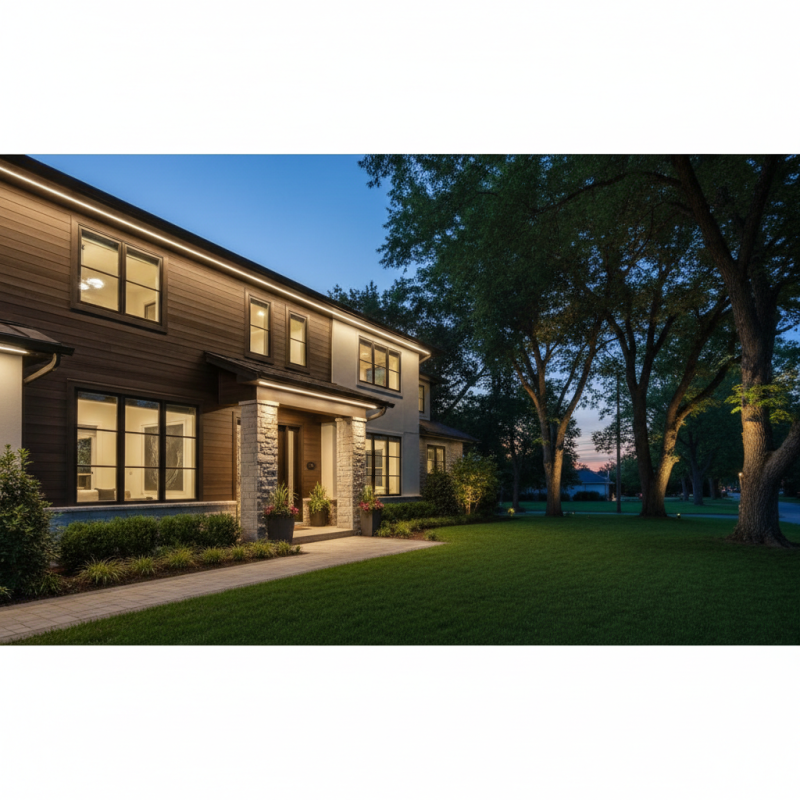
Best Types of Eave Lighting for Enhanced Curb Appeal
Eave lighting is essential for enhancing curb appeal. It adds warmth and elegance to home exteriors. According to industry reports, well-placed lighting can increase property value by up to 15%. Homeowners often overlook the impact of lighting design. Yet, it can create a welcoming atmosphere.
There are various types of eave lighting to consider. Recessed lights are discreet and effective. They offer a modern touch, blending seamlessly with architecture. Wall sconces provide character and can highlight architectural features. Additionally, string lights create a cozy, inviting feel. It’s crucial to position them correctly. Poor placement can lead to harsh shadows or uneven illumination.
Some homeowners experiment with colored lights. This can enhance festive occasions but may not suit all styles. Overuse can appear gaudy. It’s important to choose the right color temperature for your home. Warmer tones often work better for residential spaces. Remember, lighting is not just about aesthetics; it’s about creating a functional space that feels safe. Think about how your choices reflect your personal style.
Energy Efficiency: Choosing the Right Bulbs for Eave Lighting
Eave lighting enhances your home's appeal, but energy efficiency should be a priority. Choosing the right bulbs will impact electricity usage and costs. According to the U.S. Department of Energy, LED bulbs use at least 75% less energy than incandescent bulbs, leading to significant savings over time.
Tips: Consider the lumens instead of watts for brightness. A 10-watt LED can provide the same luminosity as a 60-watt incandescent.
Pay attention to color temperature as well. Warmer tones create a cozy feel, while cooler tones add a modern touch.
Remember, not every lighting option is perfect for every home. It’s crucial to assess your exterior space. Consider the surrounding landscape and architecture. Improper bulb choice can lead to mismatched aesthetics. Reflect on your home's needs before making a selection.
Design Trends: Popular Styles for Eave Lighting Fixtures in 2023
Eave lighting is becoming essential for stylish home exteriors in 2023. Many homeowners focus on enhancing curb appeal. A report from the American Lighting Association reveals that 68% of homeowners plan to improve outdoor lighting this year. Fixtures are not just practical; they set a mood.
Popular styles include sleek modern designs and rustic fixtures. These options often combine aesthetics with energy efficiency. According to recent design trends, homeowners lean towards LED lights. These not only save energy but also reduce maintenance costs. Warm white tones are preferable for creating welcoming atmospheres.
However, selecting the right fixtures can be challenging. Some designs may not suit every home’s architecture. Homeowners should research local climate effects on lighting durability. Also, balancing light intensity is crucial. Too much light can create glare and discomfort. Finding the perfect harmony may require thoughtful adjustments.
Installation Tips: Key Considerations for Eave Lighting Setup
Eave lighting can transform a home’s exterior. It adds warmth and beauty. Proper installation is crucial for effectiveness. A study by the American Lighting Association indicates that well-placed outdoor lighting can increase property value by 10-20%. Thus, choosing the right fixtures and positioning them correctly is essential.
When setting up your eave lighting, consider the angle and height. Lights should be mounted at least 8-10 feet above ground. This height prevents glare while illuminating the area effectively. Choosing LED lights can offer energy efficiency, as they use up to 75% less energy than traditional bulbs. However, brightness and color temperature are often debated. Too bright can create harsh shadows, while too dim may not provide adequate safety.
Ensure that the wiring is hidden and weatherproof. Over time, exposed wires can degrade or cause hazards. A study shows that 30% of homeowners overlook weatherproofing, leading to short circuits. Reflecting on one’s design can be beneficial. Is the light placement enhancing your home’s features? Are there any dark areas left unaddressed? Thoughtful consideration of these factors will lead to a stunning exterior.
Safety Considerations: Ensuring Compliance with Outdoor Lighting Codes
When planning eave lighting, safety is paramount. Outdoor lighting must comply with local codes.
This ensures safety for all. Improper installation can lead to hazards. Bright lights can cause glare, making it difficult for drivers. This can lead to accidents.
Consider the height of your eave lights. They should not obstruct your view or create distractions. Choose fixtures that are durable and weather-resistant. These will withstand harsh conditions. It’s also wise to check wiring in advance. Incorrect wiring could result in short circuits or fires. Regular maintenance checks on lights are essential too.
Be aware of brightness levels. Overly bright lights may affect your neighbors. Balance aesthetics with functionality. Use dimmers or timers to manage brightness. This can help reduce light pollution. Ultimately, thoughtful planning and compliance with codes are crucial for a safe and beautiful outdoor lighting project.