What Are the Best Electric Heaters in 2026?
What are the best electric heaters in 2026? The answer depends on the room, your routine, and the kind of warmth you prefer. A chilly home office may need quick, directed heat, while a bedroom might benefit from quieter, steadier warmth. Room size, insulation, thermostat accuracy, and running costs all matter. Small rooms behave differently. A heater that feels powerful beside a desk may struggle in a drafty living room.
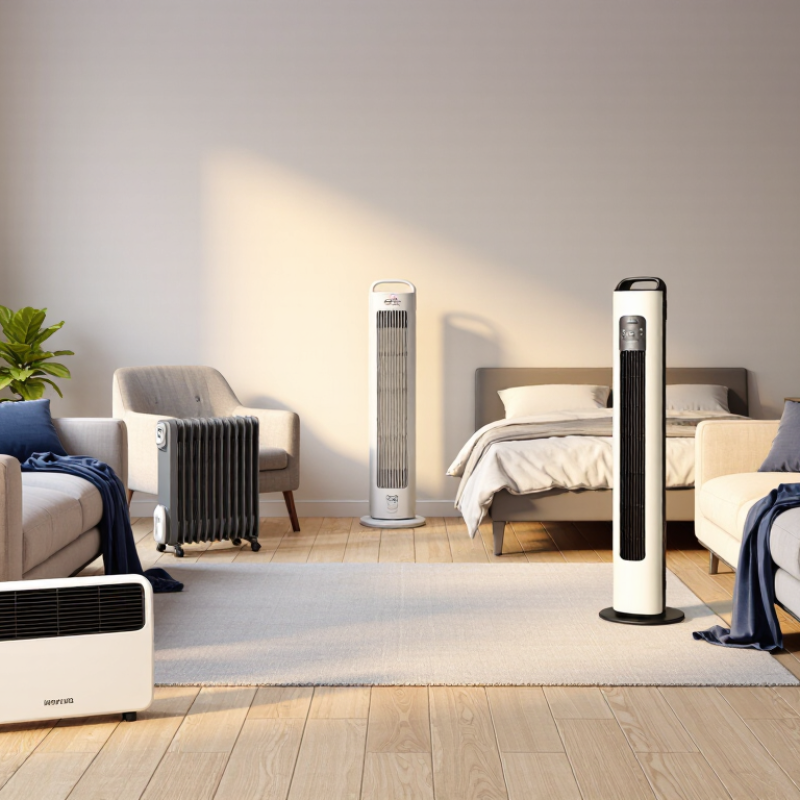
This guide compares the best electric heaters by practical features, not just advertised wattage. It considers heat output, controls, noise, portability, and useful safety features such as tip-over protection and overheat shutoff. Fan heaters can warm a spot quickly, but their moving air may bother some sleepers. Oil-filled models heat more gradually and can stay warm after switching off, though they are often heavier. No type wins everywhere. That is worth remembering.
We also look at how to match a heater to its intended space, what to check before buying, and where energy-use claims need careful reading. A thermostat can help maintain a comfortable temperature, but it does not make electricity free. Keep heaters clear of curtains, bedding, and furniture, and follow the manufacturer’s instructions. Even well-reviewed models may disappoint if they are undersized or placed poorly. Comfort is personal. Use the comparisons as a starting point, then choose a heater suited to your room, budget, and daily habits.
What Defines an Electric Heater? DOE Rates Resistance Heat at 100% Point-of-Use Efficiency
An electric resistance heater turns electrical current into heat through a resistive element. A fan may move that warmth around, or a radiant panel may send it toward nearby surfaces. The basic conversion is simple. At the point of use, the electricity entering the element becomes heat in the room.
The U.S. Department of Energy describes resistance heating as 100% efficient at the point of use. That figure does not mean every heater costs the same to run, or that a home retains all its warmth. Drafty windows, poor insulation, thermostat settings, and room size all affect comfort and electricity use. A heater beside a cold floor can feel less effective than the same unit in a sheltered corner. Small details matter.
There is a caveat. Point-of-use efficiency is not the same as overall energy efficiency. A heat pump can deliver more heat than the electrical energy it consumes by moving heat from outdoors. Resistance heaters can still suit a small, occupied room or occasional spot heating, especially when central heating is unnecessary. I would compare safety features, controls, noise, and operating cost—not efficiency alone. And cost estimates can be imperfect; electricity rates and actual usage vary.
What Are the Best Electric Heaters in 2026?
DOE rates electric resistance heating at 100% point-of-use efficiency.
How to read this chart: Resistance heaters convert electricity into heat at the point of use, so 100 units of electricity produce about 100 units of heat. Heat pumps can deliver roughly 200–400 units of heat per 100 units of electricity under varying conditions. These heat-pump values describe heat output relative to electricity input, not resistance-heating efficiency; actual performance varies with equipment and outdoor temperature.
Which Heater Types Stand Out in 2026? DOE Says Heat Pumps Deliver 2–4× Heat per kWh
In 2026, heat pumps stand out for whole-home heating because they move heat rather than generate it directly.
The U.S. Department of Energy says they can deliver roughly two to four units of heat per unit of electricity consumed. That distinction matters. A resistance heater generally turns each unit of electricity into about one unit of heat at the point of use. The International Energy Agency’s 2022 report, The Future of Heat Pumps, also describes heat pumps as three to five times more energy-efficient than gas boilers. The exact comparison depends on equipment and conditions, but the efficiency advantage over electric resistance heating is clear.
Still, the headline ratio is not a promise for every home. Outdoor temperature, insulation, installation quality, and system sizing all affect real-world performance. On a cold morning, a properly sized heat pump can warm a living room without keeping a bright heating element glowing beside the sofa. Poor insulation can blunt that advantage. I would not buy by efficiency figures alone; check local winter temperatures and the unit’s cold-weather performance. Resistance heaters remain practical for a small office or occasional spot heating, where installation costs would outweigh whole-home savings. The detail people often miss is comfort: steady, even warmth may matter as much as the meter reading.
How to Match Heater Output to a Room: 1 kW Equals 3,412 BTU/h
To compare electric heaters, convert watts into heat output: 1 kW equals about 3,412 BTU/h, using the NIST conversion factor. A 1,500-watt heater therefore delivers roughly 5,118 BTU/h. For a quick first estimate, the common 10-watt-per-square-foot rule suggests about 1,500 watts for a 150-square-foot room. A tape measure and a calculator help. But that shortcut is only a starting point, not a room-by-room guarantee.
Actual heating demand changes with ceiling height, window area, insulation, drafts, and outdoor design temperature. ASHRAE’s Handbook—Fundamentals describes heating-load calculations that account for building heat loss and ventilation, rather than floor area alone. A chilly room with a large, single-pane window may need more output than a snug room of equal size. Check whether the heater’s rated output meets the estimated load, and consider whether it can maintain comfort during the coldest local conditions. Small details matter. I would treat the 10-watt estimate cautiously; it is convenient, but it can miss real heat loss.
What Are the Best Electric Heaters in 2026? How to Match Heater Output to a Room: 1 kW Equals 3,412 BTU/h
Use this guide as a starting point for matching electric heater output to room size. Estimates assume an 8-foot ceiling and a baseline heat requirement of 10 watts per square foot.
| Room Area |
Estimated Heat Requirement |
Calculated Heater Output |
Equivalent Output |
Sizing Guidance |
| 100 sq ft |
1,000 W |
1.0 kW |
3,412 BTU/h |
A 1 kW heater may suit a small, reasonably insulated room. |
| 150 sq ft |
1,500 W |
1.5 kW |
5,118 BTU/h |
A 1.5 kW heater is a common starting point for a medium-sized room. |
| 200 sq ft |
2,000 W |
2.0 kW |
6,824 BTU/h |
Consider a suitable fixed heater or multiple heat sources; check circuit capacity. |
| 250 sq ft |
2,500 W |
2.5 kW |
8,530 BTU/h |
Room layout, insulation, and electrical supply become especially important. |
| 300 sq ft |
3,000 W |
3.0 kW |
10,236 BTU/h |
Often better assessed as a fixed or professionally planned heating installation. |
| 400 sq ft |
4,000 W |
4.0 kW |
13,648 BTU/h |
Use a room heat-loss assessment to determine the appropriate system and circuit. |
Calculation: 1 kW = 1,000 W = approximately 3,412 BTU/h. Actual requirements vary with climate, insulation, windows, air leakage, ceiling height, and desired indoor temperature. Poorly insulated or very cold rooms may need more capacity; well-insulated rooms may need less. Follow the heater’s instructions and electrical-circuit ratings, and consult a qualified electrician for fixed installations.
How to Compare Running Costs: Calculate kWh Use Against Local Electricity Rates
When comparing electric heaters in 2026, estimate the electricity bill, not just the purchase price. Check the heater’s wattage, your local electricity rate, and how many hours it may run. The basic calculation is simple:
watts ÷ 1,000 × hours used × price per kWh.
For example, a 1,500-watt heater running four hours daily uses about 180 kWh over 30 days. At a rate of 18 cents per kWh, that is roughly $32.40. Check your latest bill for the correct rate; taxes and delivery charges may change the final cost.
That is a useful estimate, not a promise. A thermostat may switch the heater off as the room warms, so actual use can be lower. Drafty windows, high ceilings, and a cold room can make it run longer. Small details matter. Compare heaters under similar conditions, and note whether each model has a thermostat, timer, or multiple heat settings. These controls can help limit unnecessary runtime, but they do not make electric resistance heat use less energy per hour at the same wattage. I would also track actual use for a week with a plug-in energy meter, if the device is suitable for the heater’s load. Estimates can miss the mark. Compare the measured kWh with your local rate before deciding which heater costs less to operate.
Which Safety Standards Matter? UL 1278 Covers Portable Electric Room Heaters
When comparing electric heaters in 2026, look beyond wattage and sleek controls. UL 1278 is a safety standard for movable electric room heaters, along with certain wall- and ceiling-hung models. It evaluates hazards such as electric shock, fire, and overheating under defined test conditions. A certification mark from a recognized testing organization can help show that a specific model was assessed against applicable requirements. Check the exact model, not just the product family.
Useful safeguards include tip-over shutoff and overheat protection, but neither makes a heater risk-free. Picture a unit beside a curtain, with its air outlet blocked by a laundry basket. Even a certified heater needs clear space and a stable, level surface. Keep it away from water, and plug it directly into a suitable wall outlet unless its instructions say otherwise. Small details matter.
Read the label and manual before buying. Confirm that the heater is intended for your room and electrical supply, and look for damage before each use. A familiar safety mark is reassuring, but it is not a promise that every setup is safe. I would still check the outlet, cord, and placement each time. It takes a moment. A cold room can make shortcuts tempting, and that is worth remembering.