What Are the Best Industrial Space Heaters for Your Needs?
When it comes to heating large industrial spaces, choosing the right solution is vital. John Smith, an expert in industrial heating systems, once said, “The right industrial space heaters can significantly improve productivity and safety.” As industries strive to maintain optimal working conditions, selecting the best heaters is a priority.
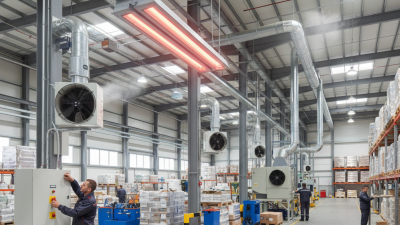
Industrial space heaters come in various types, each tailored for specific needs. Whether for factories, warehouses, or workshops, understanding your space is essential. They provide efficient heating, ensuring comfort in cold environments. However, as tempting as it may be to opt for the most popular models, it is crucial to assess your specific requirements first. Not every heater will fit all situations.
Moreover, some heaters may come with complex features, which can be overwhelming. Evaluating these options thoroughly is necessary for the best return on investment. Balancing factors like energy efficiency, heat output, and safety will help avoid costly mistakes. By doing so, you can make informed choices that cater to your needs, enhancing both comfort and productivity in your industrial space.
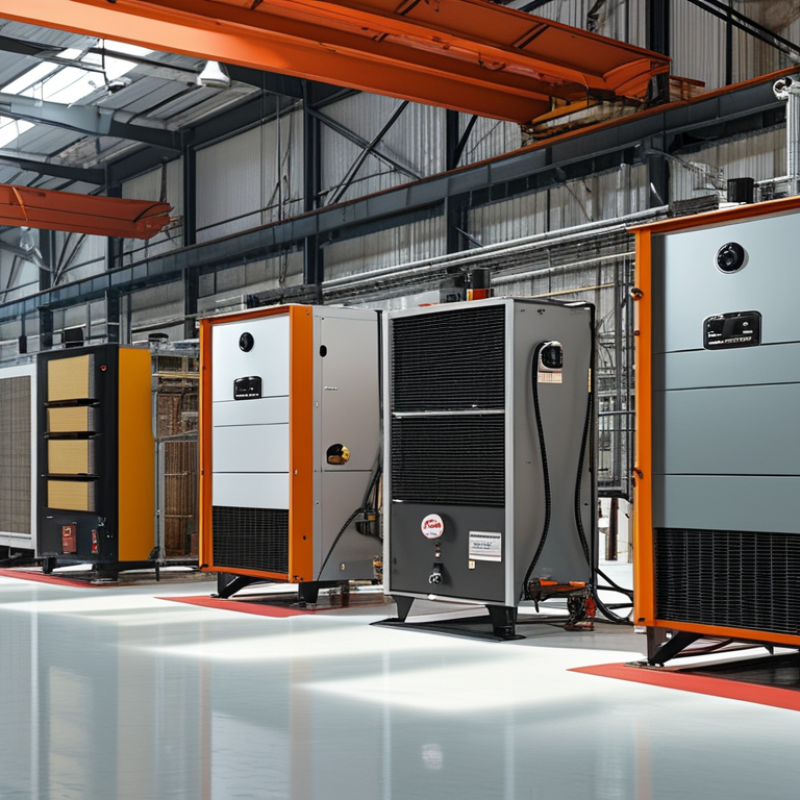
Understanding Different Types of Industrial Space Heaters
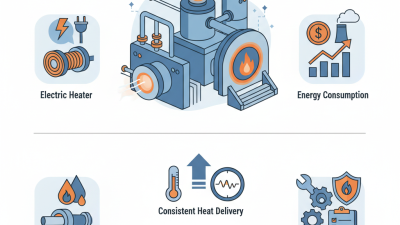
When selecting industrial space heaters, understanding the different types available is crucial. Electric heaters generate heat through resistance and are ideal for smaller areas. They can provide instant warmth, making them suitable for workshops or temporary sites. According to a report by the U.S. Department of Energy, electric heaters can be 100% efficient at point-of-use. However, they may increase electricity costs in large spaces.
Gas heaters, on the other hand, are powerful options for larger industrial settings. They use natural gas or propane and are often more economical for extensive operations. A study by the Industrial Heating Equipment Association indicates that gas-fired heaters can save up to 30% in energy costs compared to electric models. These heaters require proper ventilation, which poses safety considerations for facility managers.
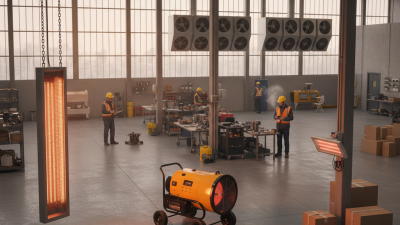
Radiant heaters operate by warming objects directly instead of heating air. This type can be more efficient in open areas like warehouses. The advantages include reduced heat loss in drafty environments. However, their effectiveness may be diminished in zones with high ceilings. Each heating solution has its merits, but evaluating specific needs and facility conditions is essential. Understanding these variables helps ensure the right choice for your industrial heating requirements.
Key Features to Consider When Choosing an Industrial Space Heater
When selecting an industrial space heater, understanding key features can significantly impact efficiency and safety. First, consider heating capacity. Measured in BTUs, this determines the space the heater can adequately warm. For instance, a warehouse of 2,000 square feet may require a unit with at least 50,000 BTUs. According to industry reports, proper BTU calculation is crucial; many users underestimate their needs, leading to inadequate heating.
Another vital feature is fuel type, which can range from gas to electric. Each has distinct advantages. Electric heaters are often easier to install and maintain but may struggle in extreme cold. Conversely, gas heaters provide robust heating but can involve complicated installation. Additionally, safety features like automatic shut-off systems are non-negotiable. A report by the Occupational Safety and Health Administration highlights that malfunctioning heaters are responsible for numerous workplace accidents.
Lastly, consider mobility and size. In many industrial applications, the ability to relocate the heater easily is beneficial. Compact heaters can provide adequate warming without taking up excessive floor space. However, larger units might offer better heating efficiency for permanent setups. Balancing these features is not always straightforward and requires careful thought based on specific workspace dynamics and heating needs.
Top Brands and Models of Industrial Space Heaters Reviewed
Choosing the right industrial space heater involves understanding the specific heating needs of your workspace. Factors like the size of the area, insulation quality, and heating capacity play a critical role. According to a recent report from the U.S. Department of Energy, industrial facilities waste approximately 30% of their energy due to inefficient heating methods. This emphasizes the importance of selecting a heater that maximizes efficiency.
Numerous models and brands dominate the market. These include portable electric heaters, gas-fired options, and hydronic systems. Each model offers unique features and benefits. For instance, electric heaters often work well in smaller spaces, providing quick heat without emissions. In contrast, gas-fired systems excel in larger warehouses, proving to be cost-effective solutions for extensive areas.
When evaluating options, it’s crucial to consider their safety features and energy consumption rates. Reports indicate that poorly maintained heaters may pose fire risks and increase energy bills. Regular inspections and maintenance are necessary to ensure optimal performance. Understanding these dynamics can significantly affect overall operation costs and safety.
Best Industrial Space Heaters Efficiency Comparison
Cost-Effectiveness and Energy Efficiency of Industrial Space Heaters
When choosing an industrial space heater, cost-effectiveness is key. Many businesses aim to reduce expenses while maintaining a comfortable environment. Electric heaters often have lower upfront costs. However, the long-term energy consumption can add up. Assessing these factors can lead to better financial decisions.
Energy efficiency plays a crucial role. Heaters with higher efficiency ratings consume less power. They convert more electricity into heat. This results in lower utility bills. For large spaces, infrared heaters may be beneficial. They heat objects directly rather than the air, offering efficient warmth.
While considering heaters, reflect on specific needs. Space size, insulation quality, and frequency of use all impact the choice. Some heaters may initially seem affordable but lead to higher operational costs. It’s important to find a balance between upfront investment and ongoing energy expenses. Each situation is unique, requiring careful evaluation for the best results.
Safety Guidelines for Using Industrial Space Heaters in Workspaces
When it comes to using industrial space heaters, safety is paramount. According to a report by the National Fire Protection Association, heating equipment is a significant cause of workplace fires. It’s crucial to conduct regular inspections of your heating devices. Look for frayed cords or signs of wear. Such checks can prevent potential hazards.
Proper placement of heaters is essential. They should be positioned away from combustible materials, such as paper or fabric, and should not block exit routes. The Occupational Safety and Health Administration emphasizes that maintaining a clear area around heaters reduces the risk of accidental fires. Workers should be trained on fire safety protocols and understand the operation of heating equipment.
Ventilation is another critical factor. Industrial heaters can emit carbon monoxide, which can be dangerous in confined spaces. Ensure adequate ventilation to mitigate this risk. Data shows that workplaces with proper air flow report 30% fewer incidents related to carbon monoxide poisoning. Regular maintenance and adherence to safety guidelines are necessary for a secure work environment. Ignoring these details may lead to serious consequences.