
FAQS
7 Best Office Visitor Chairs for Global Buyers
Choosing the right Office Visitor Chair is a practical test of comfort, durability, and cultural fit. Global buyers face different room sizes, body types, purchasing standards, and climate conditions. A polished chair must survive repeated meetings without looking tired.
Recent market reports support this growing focus. Grand View Research’s 2024 office furniture analysis identifies workplace renovation, hybrid offices, and ergonomic demand as major market drivers. BIFMA’s industry standards also emphasize durability, safety, and performance testing for commercial seating. These factors matter in reception areas, where a visitor may sit for five minutes—or forty.
Niels Diffrient, the renowned office-seating designer, once said, “The chair is the most difficult object to design.” That observation remains useful. A visitor chair has to appear welcoming while supporting the body quietly. Its frame should feel stable on polished floors. Its seat should not create pressure at the thighs. Its fabric should tolerate luggage, coffee spills, and daily cleaning.
Looks can mislead.
This guide compares seven strong options for global buyers. It considers ergonomic support, materials, weight capacity, maintenance, stacking ability, warranty coverage, and regional availability. Some models offer excellent comfort but consume valuable storage space. Others save room but feel less generous during longer visits. No single chair wins everywhere. That is the uncomfortable truth.
The best purchase depends on the visitor, the room, and the working culture. A showroom impression helps, but measured specifications and real-use feedback matter more. Expect trade-offs. Judge them carefully.
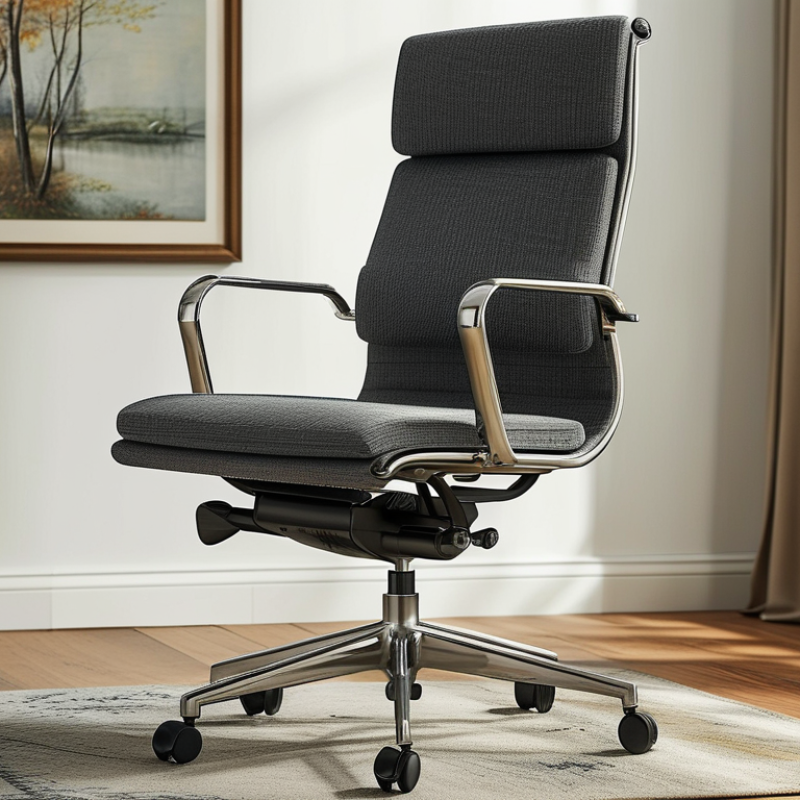
What Makes an Office Visitor Chair Suitable for Global Buyers
7 Best Office Visitor Chairs for Global Buyers
What Makes an Office Visitor Chair Suitable for Global Buyers
A suitable visitor chair must work across body sizes, climates, and workplace cultures. Global buyers should inspect seat height, seat depth, back support, and arm clearance. A seat near 450 millimeters high often suits many adults, but fixed dimensions can still exclude shorter users. That is an uncomfortable truth. A showroom test cannot represent every visitor.
Durability requires evidence, not attractive stitching. Buyers should request test results against relevant standards, such as BIFMA X5.1 or EN 16139. These standards assess strength, stability, and repeated use. Load ratings also need clear documentation. In busy reception areas, chair legs meet luggage, cleaning carts, and hurried movement. A stable four-leg frame usually handles these moments better than a delicate-looking base.
Materials matter across borders. UNEP’s 2022 Global Status Report states that buildings create about 37% of global energy and process-related carbon emissions. Chairs with recycled content, replaceable parts, and low-emission finishes can support responsible procurement. However, recycled material does not automatically mean better quality. Buyers should check durability, chemical disclosures, fire requirements, and local import rules. Upholstery should resist stains without feeling cold or slippery. Mesh may improve airflow in humid regions, yet it can collect dust. I would not treat one material as universally superior. The best choice depends on users, maintenance habits, and the building’s daily reality.
Seven Leading Office Visitor Chair Types and Their Best Uses
Global buyers need visitor chairs that fit real workplace conditions, not just attractive showrooms. Gensler’s 2023 Global Workplace Survey found that employees divide office time between individual and collaborative work, increasing demand for flexible guest seating. JLL’s 2024 workplace research also highlights changing occupancy patterns. Therefore, one chair type rarely serves every reception area.
Stacking chairs suit training rooms and compact offices. Sled-base chairs provide stability on hard floors and work well in waiting areas. Four-leg chairs offer familiar support for reception zones. Cantilever chairs create a lighter visual impression and allow easier floor cleaning. Upholstered lounge chairs improve comfort during longer consultations. Ergonomic task visitor chairs suit interview rooms where guests may sit for an hour. Folding chairs remain useful for temporary events and limited storage. Simple, but practical.
Material selection matters. BIFMA seating standards evaluate strength, durability, and safety performance, giving purchasers a useful technical reference. Fabric, foam density, frame coatings, and replacement parts affect long-term cost. In my experience, buyers often focus on price and overlook cleaning frequency. That is a mistake. A pale fabric may look refined, yet perform poorly near busy entrances. Wheels can improve movement, but they may feel unstable on uneven floors. I would specify them carefully, not automatically. The best choice depends on guest duration, room layout, local climate, maintenance capacity, and expected daily use.
7 Best Office Visitor Chairs for Global Buyers - Seven Leading Office Visitor Chair Types and Their Best Uses
| Chair Type | Best Use | Typical Construction | Typical Seat Height | Main Advantages | Key Considerations | Recommended Environment |
|---|---|---|---|---|---|---|
| Guest Side Chair | Reception areas, meeting rooms, and everyday visitor seating | Upholstered seat and back with a steel or aluminum frame; four-leg base is common | Approximately 430–480 mm | Stable, familiar, easy to coordinate with most office interiors, and suitable for short to medium visits | Limited adjustability; fully upholstered versions may require more cleaning | Corporate offices, professional service offices, and general waiting areas |
| Stacking Visitor Chair | Training rooms, conference spaces, and facilities that need flexible layouts | Molded plastic or upholstered shell with a tubular steel frame; designed for vertical stacking | Approximately 430–470 mm | Saves storage space, supports quick room changes, and is efficient for large quantities | Stacking limits vary; stacked chairs should be handled according to the supplier's load and storage guidance | Training centers, event venues, schools, and multipurpose offices |
| Nesting Visitor Chair | Multi-purpose rooms requiring frequent rearrangement and compact storage | Seat and back designed to nest horizontally or vertically, often with a wheeled rear frame | Approximately 430–480 mm | Fast to move, compact when nested, and convenient for floor-plan changes | Usually costs more than basic four-leg chairs; wheels and nesting parts need periodic inspection | Flexible workspaces, seminar rooms, collaborative offices, and education facilities |
| Cantilever Visitor Chair | Executive reception areas and formal meeting rooms | Upholstered shell mounted on a continuous sled-style steel frame without rear legs | Approximately 440–480 mm | Clean visual design, comfortable flex, and easy floor cleaning beneath the frame | Heavier than some four-leg models; frame finish can show scratches in high-traffic use | Premium offices, boardrooms, consultation rooms, and reception suites |
| Conference Armchair | Longer meetings, client consultations, and boardroom visitor seating | Fully or partially upholstered seat and back with integrated armrests and a four-leg or sled base | Approximately 440–490 mm | Improves lateral support and comfort during extended seated periods; gives a more substantial appearance | Requires more floor width and may be less suitable for dense seating arrangements | Boardrooms, legal offices, consultation rooms, and executive meeting spaces |
| Mesh-Back Visitor Chair | Warm climates, frequent visitors, and rooms needing enhanced airflow | Breathable mesh back with an upholstered or molded seat and a metal or reinforced polymer frame | Approximately 430–480 mm | Allows air circulation, reduces heat buildup, and generally dries quickly after light cleaning | Mesh tension and weave quality affect durability; sharp objects can damage the back material | Open-plan offices, customer service areas, healthcare administration, and warmer regions |
| Tablet-Arm Visitor Chair | Training sessions, interviews, workshops, and note-taking without fixed desks | Visitor chair fitted with a compact writing tablet, usually on one side; tablet may be fixed or foldable | Approximately 430–480 mm | Provides a convenient writing surface and reduces the need for separate tables | Writing surface is smaller than a standard desk; handedness, tablet clearance, and storage must be checked | Training rooms, interview areas, classrooms, and compact collaborative spaces |
Key Materials, Ergonomics, and Design Features to Compare
When comparing the seven best office visitor chairs for global buyers, inspect materials before appearance. A powder-coated steel frame handles frequent use and usually resists scratches better than painted surfaces. Molded plywood can feel warmer, while reinforced plastic keeps weight low for easy relocation. Choose dense foam with durable upholstery for daily reception areas. Mesh improves airflow, but it may catch dust around rough edges.
Ergonomics still matters during short meetings. A seat height near 430–480 millimeters suits many adults, but visitors vary widely. Look for a supportive backrest, a seat depth that avoids knee pressure, and a gently rounded front edge. Fixed chairs need careful testing because they cannot adjust to every body. No chair fits everyone. I once found a visually elegant model uncomfortable after twenty minutes because its back angle was too upright.
Design features should match the building’s routine. Stackable frames save storage space, while stable armrests help older guests sit and stand. Non-marking glides protect polished floors and reduce noise. Check the chair’s tested load rating, cleaning instructions, warranty terms, and available replacement parts. Global purchasers should also verify local material, fire-safety, and accessibility requirements. Photographs can hide weak joints, thin padding, or unstable feet, so request samples and test them with different users before placing a large order.
How to Choose Visitor Chairs for Different Office Environments
Choosing visitor chairs for different office environments requires more than matching colors. Reception areas need compact chairs with easy-clean upholstery, stable frames, and comfortable support for short waits. In a law office or consulting room, visitors may sit for an hour, so moderate cushioning and a supportive back matter more. Training rooms need stackable designs, while executive meeting spaces require stronger visual presence without sacrificing posture.
The Gensler Research Institute’s 2024 Global Workplace Survey shows that offices are increasingly used for collaboration, learning, and social connection, rather than quiet individual work. This shift makes flexible visitor seating valuable. A 2023 report from the International Facility Management Association also identifies adaptability as a key workplace planning concern. In practice, chairs with lightweight frames, protective glides, and replaceable parts reduce disruption during frequent layout changes. I have learned that attractive chairs can still fail when their seat depth is too large for smaller guests. No checklist is perfect.
Tips: Measure the clear floor area first. Leave enough space for movement and accessibility. Test chairs with different body sizes, not only one staff member. Review BIFMA performance standards for durability, but do not treat testing as proof of universal comfort. For reception zones, choose wipeable fabric and rounded edges. For conference rooms, prioritize lumbar support and quiet movement. A small sample trial often reveals problems that product photos hide.
International Buying Factors: Quality, Compliance, Shipping, and Cost
The seven best office visitor chair types for global buyers include ergonomic mesh chairs, padded guest chairs, stackable models, sled-base chairs, beam seating, wooden-frame chairs, and compact conference chairs. Each suits a different reception setting. Mesh improves airflow in warm climates. Thick foam feels welcoming but increases shipping weight. Stackable designs save warehouse space, though repeated stacking can damage edges. Check the frame welds, seat density, fabric abrasion rating, and stated load capacity. A chair that looks elegant may still feel unstable after several months.
Compliance requires more than a supplier’s general statement. Request test reports, material declarations, fire-safety information, and packaging specifications for your destination market. Confirm whether the chair meets recognized strength, durability, and chemical-emission requirements. Documents should match the exact model, not a similar product. This detail is often missed. Shipping costs also include carton size, pallet use, port handling, duties, insurance, and possible damage claims. Compare total landed cost, not only the factory quotation. A knock-down chair may reduce freight volume, but assembly time can create hidden labor costs.
Tips: Order samples before placing a large purchase. Sit for at least twenty minutes. Inspect screws, glides, seams, and carton protection. Ask for replacement parts and realistic production dates. Keep a small contingency budget because exchange rates, port delays, and repacking costs can change the final price. In some projects, the cheapest chair becomes the most expensive choice.
Skip to content
