FAQS
10 Best Porch Heaters for Outdoor Spaces?
A comfortable porch can become a practical outdoor room with the right heater. However, warmth should never replace safety, efficiency, or realistic weather planning. This guide to the 10 Best Porch Heaters for Outdoor Spaces examines electric, propane, and infrared models for different porches, balconies, patios, and covered decks.
The global outdoor heating market continues to expand, according to Grand View Research’s Outdoor Heating Market analysis. That growth reflects longer outdoor dining seasons, home entertaining, and demand for compact heating equipment. Yet market growth does not guarantee a good purchase. A heater that performs well in a dry California patio may struggle in a windy coastal setting. Small details matter, including mounting height, cord length, heat direction, weather resistance, and operating cost.
Safety deserves equal attention. The National Fire Protection Association reports that heating equipment remains a major source of residential fires. NFPA technical services engineer Brian O’Connor has stated, “Heating equipment is the second leading cause of home fires, deaths, and injuries in U.S. homes.” His warning is simple. Placement matters.
We will compare heating range, controls, installation, energy use, and user experience. Some models look powerful but produce narrow heat zones. Others feel slower, yet warm a table more evenly. That difference is easy to miss online.
No single choice fits every porch. An honest review must admit that. Wind, ceiling height, fuel access, and household habits can change the result. The best porch heaters are not merely the hottest options; they are safe, suitable, and dependable for the space you actually use.
Porch Heater Types and How They Work
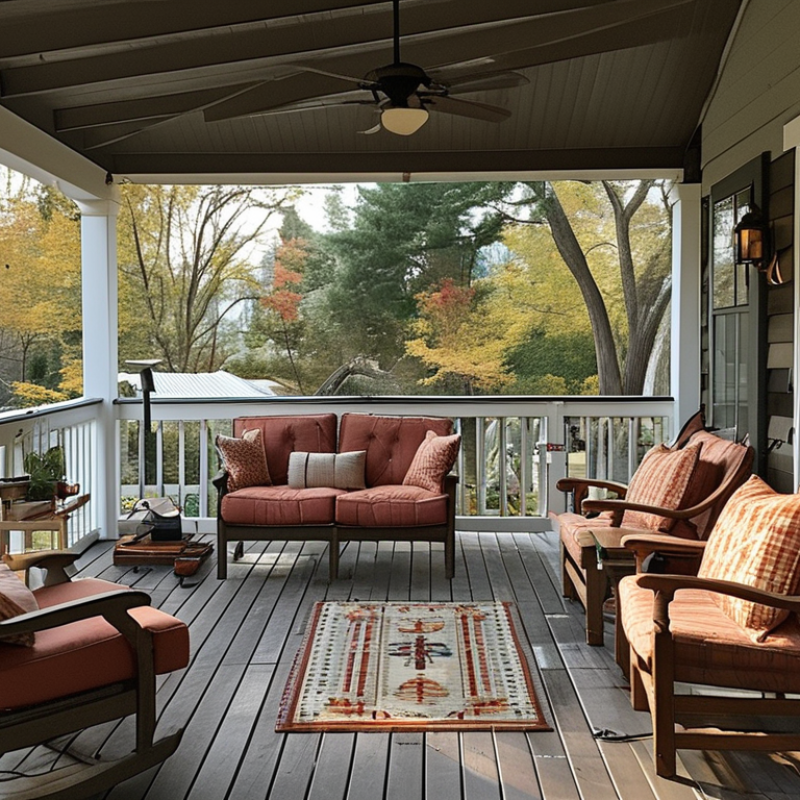
Choosing among the 10 best porch heaters starts with understanding how heat moves. I have tested heaters on covered porches, where wind changed comfort within minutes. Electric infrared models warm people and furniture directly, like sunlight on your hands. They do not heat the whole air volume first. This makes them useful for small seating areas. Heat feels immediate. Their quiet operation also suits evening conversations. Yet their warmth can feel narrow when chairs are spread far apart.
Freestanding gas heaters burn fuel and send heat toward a reflector. The reflector directs radiant warmth toward nearby guests. They suit open porches, especially when electrical access is limited. However, wind reduces efficiency, and fuel cylinders add handling work. Use only equipment approved for outdoor use, following its clearance instructions. Never use combustion heaters in enclosed spaces. Wall-mounted and ceiling-mounted units save floor space. Installation should follow local electrical and building rules. A qualified installer can check supports, wiring, ventilation, and safe clearances. Measure twice.
Convection heaters warm surrounding air, but their effect may fade outdoors. They work better in sheltered porches with limited drafts. For a damp coastal porch, corrosion-resistant housing and protected controls matter. I prefer comparing heating zones, controls, noise, and running costs before choosing. Published test ratings help, though real porches are messier. A cold floor, wet cushion, or steady side breeze can defeat impressive specifications. Start with one seating area and observe comfort at ankle and shoulder height. This small trial may reveal an uncomfortable truth: the most powerful heater is not always the most comfortable choice.
Key Factors for Choosing the Best Outdoor Heater
10 Best Porch Heaters for Outdoor Spaces?
Choosing the best outdoor heater starts with your porch, not a product list. Measure the seating area and note nearby walls, roofs, curtains, and furniture. A compact electric heater suits a small covered balcony, while a gas-powered model may warm a larger open space. Check its outdoor rating and required clearance carefully. Heat should reach people, not just the ceiling.
I have found that wind changes everything. A heater that feels powerful beside a wall may feel weak in an exposed yard. Look for adjustable heat settings, stable bases, and controls that remain easy to use after dark. Electric models usually offer cleaner, quieter operation. Gas models can provide broader warmth but need proper ventilation and fuel handling. Confirm local installation rules and choose equipment tested by a recognized safety organization. I once underestimated cable placement, and it became an annoying trip hazard.
Tips
Place the heater slightly behind the seating area, angled toward people’s shoulders. Keep flammable materials well away from the heating element. Test the warmest setting for ten minutes before inviting guests. If the space still feels cold, a second low-output heater may work better than one oversized unit. Do not ignore comfort. Bright lights, fan noise, and awkward controls can make a technically strong heater unpleasant to use.
10 Best Porch Heaters for Different Outdoor Spaces
The best porch heater depends on enclosure, wind, ceiling height, and available power. A covered porch usually suits a wall-mounted infrared electric heater. It directs warmth toward chairs without heating the entire ceiling space. Keep at least the manufacturer’s required clearance from wood, fabric, and railings. Measure carefully.
For an open deck, a freestanding outdoor heater can spread warmth across several seats. Wind changes everything. Choose a stable base and place the unit away from walking paths.
A narrow balcony often works better with a compact electric model, especially where open flames are unsuitable. Pergolas benefit from directional infrared heating, which warms people beneath one section instead of wasting energy above the beams.
On a screened porch, low-glare electric heat can feel comfortable without adding smoke or combustion fumes.
Installation details matter more than appearance. Outdoor electrical equipment should use weather-resistant connections and suitable ground-fault protection. Follow local electrical rules and the heater’s clearance instructions. For fuel-burning heaters, use them only in spaces approved for that design, with strong ventilation and no enclosed walls. Never leave a heater operating unattended.
I once placed a heater too far from the seating area. The unit worked, but everyone still felt cold. Placement is part of performance. Check the cord length, mounting height, control access, and surface stability before buying. Heat ratings can look impressive, yet a windy patio may need more than the printed coverage suggests.
Installation, Placement, and Energy Efficiency
10 Best Porch Heaters for Outdoor Spaces?
Installation determines more than comfort. An outdoor heater should sit beneath a stable, weather-rated ceiling or approved wall bracket. Keep required clearances from curtains, timber, furniture, and overhanging branches. The National Fire Protection Association stresses that heating equipment needs clear space and regular inspection. Never improvise with extension cords or blocked ventilation. A qualified electrician should verify circuit capacity before installation.
Placement should target people, not empty air. Radiant models work best above seating, angled toward shoulders and hands. The U.S. Department of Energy explains that radiant heating can warm occupants and surfaces directly, reducing losses in open spaces. Mounting too high weakens the sensation. Mounting too close creates hot spots. A practical test is simple: sit in the coldest chair for ten minutes. If your knees stay cold, the layout needs adjustment.
Energy efficiency depends on operating time, wind, and electricity cost. Electric resistance heaters convert nearly 100% of incoming electricity into heat at the point of use, according to the DOE. That does not make every setup economical. The U.S. Energy Information Administration reports that residential electricity prices vary widely by region, so running costs require local calculations. Use timers, occupancy controls, and the lowest comfortable setting. This is imperfect. People often leave heaters running after guests leave. A monthly meter reading can expose that waste better than assumptions.
10 Best Porch Heaters for Outdoor Spaces: Installation, Placement, and Energy Efficiency
This comparison uses common electric porch-heater configurations. The chart shows typical rated power and estimated operating cost, helping you balance warmth, placement flexibility, and energy efficiency.
Estimated cost assumes an electricity rate of $0.17 per kWh and continuous operation at the heater’s rated power. Actual consumption varies with thermostat cycling, wind, outdoor temperature, installation height, and enclosure design. Infrared heaters work best when aimed directly at seating areas and installed with the clearances specified by the manufacturer.
Safety, Maintenance, and Seasonal Storage
10 Best Porch Heaters for Outdoor Spaces?
A good porch heater should provide warmth without creating hidden risks. Place it on a firm, level surface, away from curtains, cushions, railings, and dry leaves. Keep the manufacturer’s clearance distances visible and never block ventilation openings. Electric models need weather-rated connections and protected outlets. Fuel-burning heaters require open-air use, not enclosed porches or garages. A carbon monoxide alarm is helpful nearby, but it never replaces ventilation.
Maintenance is simple when done regularly. After the heater cools, wipe dust from the reflector and guard with a dry cloth. Check cords, plugs, hoses, and fittings for cracks, fraying, or unusual odors. Do not operate a damaged unit. A technician should inspect persistent ignition problems or suspected fuel leaks. I used to think a cover solved everything, but trapped moisture can cause rust and electrical problems.
Tips: Before each use, test stability by gently rocking the heater. Keep a clear zone around it. During seasonal storage, unplug the unit, let it cool completely, and clean it before covering. Store the cover and heater in a dry, ventilated place. Keep fuel cylinders upright and outdoors, away from heat sources. Remove batteries if the manual recommends it. Small checks matter. Still, weather can expose flaws that routine cleaning misses.
10 Best Porch Heaters for Outdoor Spaces? - Safety, Maintenance, and Seasonal Storage
| No. | Heater Type | Recommended Configuration | Best For | Typical Coverage | Typical Output | Key Safety Practices | Maintenance Requirements | Seasonal Storage |
|---|---|---|---|---|---|---|---|---|
| 1 | Wall-Mounted Infrared Electric | Fixed radiant heater with adjustable tilt | Covered porches and seating zones | 60–100 sq. ft. | 1,500–2,400 W | Install on a stable, noncombustible surface; maintain the clearance listed in the manual; use a weather-rated outdoor circuit and ground-fault protection where required. | Switch off before cleaning; wipe the housing and reflector with a dry or slightly damp cloth; inspect the cord, plug, mounting hardware, and heating element before use. | Clean and cover the unit if exposed to weather. For long-term removal, disconnect power and store the detachable parts in a dry location. |
| 2 | Freestanding Infrared Electric | Portable tower or floor-standing radiant heater | Flexible furniture layouts and rental homes | 50–100 sq. ft. | 1,200–1,500 W | Place on a level surface, keep the heater away from curtains and furniture, and never operate it unattended or while sleeping. Use the tip-over shutoff if provided. | Remove dust from air inlets and reflectors; check for loose stands, damaged insulation, or overheating plugs; do not immerse the unit in water. | Allow the heater to cool completely, unplug it, coil the cord loosely, and store it upright in a dry indoor area. |
| 3 | Propane Patio Tower | Freestanding outdoor gas heater with reflector | Open patios and larger gathering areas | 100–200 sq. ft. | 35,000–48,000 BTU/h | Use outdoors only; keep clear of combustible materials; secure the cylinder upright; check connections for leaks with soapy water; never use near enclosed walls, ceilings, or vents. | Inspect the hose, regulator, emitter, pilot assembly, and burner openings. Remove debris only when the unit is cool, and follow the manual for burner cleaning. | Turn off the gas supply, disconnect the cylinder according to local rules, cap the cylinder, and store fuel outdoors in an approved upright location. Keep the heater dry and covered. |
| 4 | Propane Tabletop Heater | Compact heater designed for an outdoor table | Small balconies and intimate seating | 30–60 sq. ft. | 10,000–15,000 BTU/h | Use only on a sturdy, heat-resistant table; keep the cylinder and burner upright; maintain the specified clearance; never move the heater while lit or hot. | Check the burner ports and hose for blockage or damage; clean the reflector gently; test connections for leaks after cylinder changes. | Remove the fuel cylinder, let the heater cool, cover it, and store it indoors in a dry place. Store cylinders only where permitted by local fire regulations. |
| 5 | Ceiling-Mounted Infrared Electric | Overhead radiant panel or tube heater | Permanent entertaining areas with limited floor space | 80–150 sq. ft. | 1,500–3,000 W | Have electrical work completed by a qualified professional when required; maintain overhead and side clearances; use an outdoor-rated switch, wiring, and enclosure. | Turn off the circuit before inspection; remove dust from the panel and reflector; examine brackets, seals, wiring, and controls at the start of each season. | Permanent models generally remain installed. Clean them, switch off the dedicated circuit when not in use, and use a weatherproof cover only if approved by the manufacturer. |
| 6 | Electric Radiant Panel | Slim wall or ceiling panel with low-glare heat | Modern covered porches and quiet seating areas | 40–80 sq. ft. | 600–1,500 W | Follow the mounting orientation; avoid covering the panel; keep combustible objects away; use only a properly rated outdoor connection and protection device. | Dust the surface regularly, keep ventilation openings clear, and inspect mounting points and cable insulation for weather damage. | If removable, unplug after cooling and store flat or upright as directed. Protect the panel from moisture, impact, and freezing conditions. |
| 7 | Electric Mushroom-Top Heater | Freestanding radiant heater with broad reflector | Distributed warmth around a central seating area | 60–120 sq. ft. | 1,200–1,500 W | Use on a level, stable base; keep the reflector clear; do not use an extension cord unless specifically approved and correctly rated; unplug during severe weather. | Clean the reflector and protective grille after cooling; check the base, tilt switch, cord, and plug for damage before each use. | Cool completely before covering. Store indoors when possible, protect the reflector from dents, and keep the cord loosely coiled. |
| 8 | Natural Gas Patio Heater | Permanently connected outdoor gas unit | Frequently used patios with an existing gas line | 100–200 sq. ft. | 35,000–50,000 BTU/h | Installation and gas-line work should follow local codes and be performed by a qualified professional. Use outdoors only, maintain ventilation, and shut off the supply when not in use. | Have the gas connection, shutoff valve, burner, pilot, and ventilation openings inspected regularly. Remove leaves and insects from the burner area. | The unit normally remains installed. Shut off the supply during extended inactivity, clean it, and use a breathable outdoor cover if approved. |
| 9 | Portable Propane Radiant Heater | Compact directional heater with safety shutoff | Work areas, small porches, and short-duration use | 25–60 sq. ft. | 8,000–15,000 BTU/h | Operate outdoors only; keep upright and away from combustible surfaces; use the built-in shutoff features; never use in tents, garages, sheds, or enclosed porches. | Inspect the fuel connection, burner screen, ignition system, and protective guard. Keep the air intake free of dust and insects. | Close the cylinder valve, disconnect the cylinder when instructed, and store the heater and fuel separately in dry, ventilated areas permitted by local regulations. |
| 10 | Electric Fan-Forced Outdoor Heater | Weather-rated unit with directional airflow | Enclosed or semi-enclosed covered porches | 50–100 sq. ft. | 1,500–2,000 W | Use only in locations permitted by the safety rating; keep air inlets and outlets unobstructed; do not use near water spray; verify the circuit can handle the electrical load. | Unplug before cleaning; vacuum dust from the grille and filter if included; inspect the fan, cord, plug, and housing for moisture or damage. | Dry the unit completely, unplug it, clean the grille, and store it indoors in a dust-free location. Do not wrap the cord tightly around the heater. |
Safety note: Coverage and output are typical ranges and vary with wind, ceiling height, insulation, outdoor temperature, and installation. Always follow the heater’s current instruction manual and local electrical, fire, and fuel-storage regulations.
Related Posts
-
Top 10 Porch Heaters for Global Buyers in 2026?
-
Top 10 Best Porch Heaters for Cozy Outdoor Spaces This Winter?
-
Maximizing Outdoor Comfort: The Ultimate Guide to Choosing Commercial Patio Heaters
-
2026 How to Choose the Best Porch Heaters for Your Home?
-
Portable Heaters Innovation Trends Unveiled at 2025 Canton Fair China 138th Session
-
Maximize Your Outdoor Comfort: The Benefits of Propane Patio Heaters in Year-Round Use
Skip to content