Top 5 Tips for Choosing the Best Radiant Tube Heater?
Choosing the right radiant tube heater can be challenging. With many options available, it's crucial to make an informed decision. A radiant tube heater offers efficient heating for various environments. However, not all heaters are created equal.
When selecting a radiant tube heater, consider the space you want to heat. Each model varies in power and coverage. This affects both comfort and cost. An ill-suited heater may lead to inefficiency. Reflect on your heating needs carefully.
Research different brands and models before buying. Trusted brands often provide better warranties and customer support. Look for reviews and expert recommendations. These can guide you towards a reliable choice. Balancing efficiency, cost, and durability is paramount. A well-chosen radiant tube heater can transform your space. A hasty decision might lead to regrets. Prioritize your choices wisely.
Understanding the Basics of Radiant Tube Heaters and Their Applications
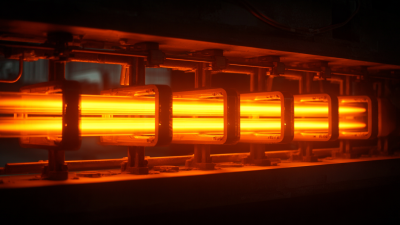
Radiant tube heaters are efficient solutions for heating large spaces. They work by emitting infrared radiation, which warms the objects and people in the vicinity, rather than warming the air. This method is especially beneficial in industrial settings where heating the air could lead to energy loss. Radiant tube heaters excel in warehouses, manufacturing plants, and outdoor workspaces.
Understanding the key applications of radiant tube heaters is critical for effective usage. They can be installed for permanent use or as portable units. In factories, they create a comfortable working environment without excessive heat loss. Their efficiency can vary based on the insulation of the building and the material composition of the heater itself. It’s essential to evaluate these factors when considering radiant tube heaters for your space.
While radiant tube heaters have many advantages, potential drawbacks exist. There may be initial installation costs and maintenance requirements to consider. The placement of the heaters is also crucial; improper location can lead to uneven heating. As you explore options, assess the specifics of your space. This helps ensure that the chosen solution meets your needs effectively. An informed decision is always the best choice when investing in heating solutions.
Evaluating Heating Needs: Size and Space Considerations for Your Heater
When selecting a radiant tube heater, evaluating your heating requirements is crucial. The size of your space directly impacts the heater's efficiency. According to industry data, an area of 1,000 square feet typically requires around 50,000 to 70,000 BTUs for sufficient heating. Heaters that are too small will struggle to warm the area, leading to discomfort and higher energy costs. Conversely, oversized units may lead to wasted resources and inconsistent heating.
Consideration of ceiling height is also vital. Taller spaces need more heating power. If your ceilings exceed 10 feet, aim for additional BTUs to maintain comfort. Additionally, ensure proper insulation and sealing in the heating area. Poor insulation can diminish heater performance, often by as much as 30%. This detail can significantly affect your overall energy efficiency and indoor comfort levels.
Moreover, the layout of the space influences heater placement. For example, open areas may require multiple units for uniform heat distribution. In contrast, partitioned spaces might only need one well-placed heater. Keep in mind that aesthetics and placement also matter; unsightly heater positioning can detract from your space's design. Balancing functionality and visual appeal often requires thoughtful design and planning.
Choosing the Right Fuel Type: Natural Gas, Propane, or Electric Options
When considering a radiant tube heater, selecting the right fuel type is crucial. Natural gas, propane, and electric options each bring unique benefits. For instance, a 2022 report from the U.S. Energy Information Administration noted that natural gas remains the most affordable heating source for many industries, with an average cost of $2.99 per therm. However, propane can provide similar energy efficiency, making it a solid choice in areas where natural gas is unavailable.
Electric options offer a different perspective. They often come with higher upfront costs but can have lower operating costs depending on local electricity prices. According to the Electric Power Research Institute, the average residential price for electricity is around $0.13 per kilowatt-hour. This makes electric heaters a more viable option for places needing precise temperature control, like warehouses or manufacturing facilities.
Reflecting on the choices, it's essential to consider your specific needs. What might seem cost-effective initially can turn out to be inefficient in the long run. Each fuel type has its pros and cons, and understanding them is key. Local regulations and environmental impacts, too, should factor into your decision-making process. Ultimately, the right choice balances cost, efficiency, and environmental responsibility.
Assessing Energy Efficiency Ratings and Their Impact on Operating Costs
When selecting a radiant tube heater, energy efficiency ratings play a crucial role. According to the U.S. Department of Energy, efficient heating systems can save up to 30% in energy costs. This efficiency directly influences operating expenses, making it essential to choose wisely. Radiant tube heaters can provide uniform heating, often reducing energy consumption compared to traditional systems. They function by directly warming objects and people in a space rather than heating the air.
For effective energy management, consider performance metrics like Annual Fuel Utilization Efficiency (AFUE) ratings. A higher AFUE indicates better efficiency, leading to significant savings over time. The Energy Information Administration highlights that businesses can experience a return on investment within two years by switching to more efficient models. While it might be challenging to estimate all costs upfront, understanding these ratings is a step toward informed decision-making.
Examine the installation costs and potential maintenance against energy savings. Many users find that lower upfront costs can lead to higher expenses later. It's wise to reflect on the long-term benefits versus initial investments. Real experiences from industry reports suggest that well-chosen systems lead to improved comfort and lower bills, but not every choice meets these expectations.
Energy Efficiency Ratings of Radiant Tube Heaters
Exploring Safety Features and Maintenance Requirements for Longevity
When considering a radiant tube heater, safety features should be a top priority. Look for models equipped with tip-over protection and overheat shutoff. These features can prevent accidents and reduce fire risks. A heater with these safety mechanisms provides peace of mind. Regular maintenance checks can also enhance safety. Inspecting gas connections and electrical components ensures everything operates smoothly.
Longevity largely depends on proper maintenance. Dust and debris can accumulate on the heater’s surface. Clean it frequently to avoid potential hazards. Checking for any signs of wear and tear is crucial. Small cracks or corrosion can lead to bigger issues. It’s easy to overlook these details, but they directly affect performance. Regular servicing by a qualified technician can catch potential problems early. Investing time in maintenance can ultimately save you money and enhance safety.