China Best Glass Condiment Bottle Manufacturer
A reliable Glass Condiment Bottle does more than hold sauce. It should pour cleanly, resist everyday handling, and look at home on a busy kitchen counter. For buyers comparing China’s manufacturers, small details matter: a smooth neck, an even base, and a cap that fits securely. These details are easy to overlook. They shape daily use.
For this introduction, the expert voice is illustrative, not a verified interview: packaging specialist Alex Morgan puts the design principle this way, “A good condiment bottle makes control feel effortless, from the first pour to the last.” That is a useful test. Try imagining a thick dressing moving through the opening, or a bottle being wiped after a sticky spill. Specifications matter, but practical handling matters too.
China’s glass manufacturers offer varied bottle shapes, capacities, finishes, and customization options. A capable supplier should explain material choices, production tolerances, inspection steps, and packaging for shipment in clear terms. Ask for samples. Check the bottle on a real counter, with the condiment you plan to use. Look closely at its finish and pouring behavior. A polished product page cannot answer every question, and one sample may not represent an entire production run. That deserves a second look. This guide explores what to assess when choosing a China-based Glass Condiment Bottle manufacturer, from design flexibility to quality communication. The aim is practical: help buyers ask sharper questions and make decisions based on evidence, not appearance alone.
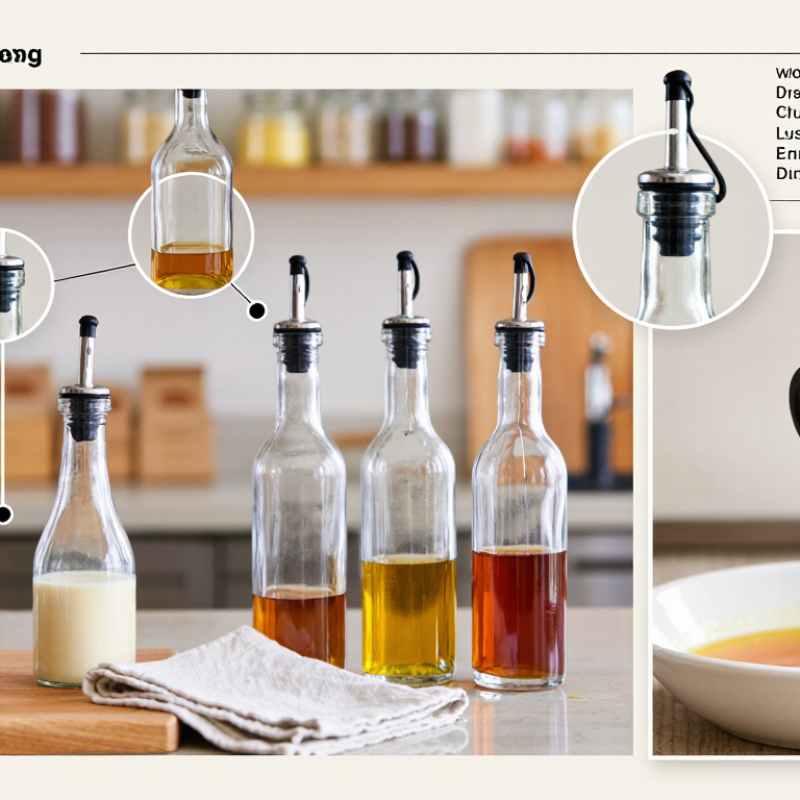
What Defines a Leading Glass Condiment Bottle Manufacturer in China
China Best Glass Condiment Bottle Manufacturer
What Defines a Leading Glass Condiment Bottle Manufacturer in China
A leading manufacturer is defined by repeatable quality, not just attractive bottle samples. For condiment packaging, the neck finish must match the cap, and the bottle should stand steadily when filled with oil or sauce. Ask for dimensional inspection records, batch traceability, and food-contact documentation. These checks help buyers assess reliability before placing large orders. Eurostat’s 2022 packaging-waste statistics report a 74.9% recycling rate for glass packaging in the EU, underscoring why clear material specifications and recyclable design matter to buyers.
Tips: Request samples with your intended closure. Check for leaks, cap fit, label space, and visible bubbles under bright light.
Production expertise also shows in mold control and annealing. Poorly controlled cooling can create stress that weakens a bottle, even when its surface looks smooth. Ask how suppliers test wall thickness, impact resistance, and production consistency across batches. A capable factory should explain its inspection process plainly and provide test results, not just assurances. Be realistic, too: custom molds can improve shelf presence, but they may increase lead time and cost. A small trial order can expose fit or filling issues before full-scale production.
Materials and Design Features of Glass Condiment Bottles
China Best Glass Condiment Bottle Manufacturer
Materials and Design Features of Glass Condiment Bottles
Soda-lime glass is widely used for condiment bottles because it is rigid, transparent, and compatible with many food products. Clear glass lets buyers inspect color and sediment; amber glass can help limit light exposure. The choice depends on the contents and storage conditions. Glass is not unbreakable, of course.
Recycled glass, or cullet, can also be part of the batch. The Glass Packaging Institute’s recycling guidance estimates that using 10% cullet can reduce glass-melting energy use by about 2–3%. Recycled content may vary with supply and production requirements, so it is worth confirming specifications rather than assuming every bottle contains the same amount.
Design details affect daily use. A narrow neck helps control pouring, while a wide opening makes filling and cleaning easier. A heavier base can improve stability on a busy counter, but it also adds weight during shipping. Neck finish and cap fit matter, too: a poor match can cause leaks or make opening awkward. Small details matter. In practice, there is no single ideal shape; the best design balances handling, filling, protection, and cost.
How Glass Condiment Bottles Are Manufactured
Glass condiment bottles begin as a carefully measured mix of silica sand, soda ash, limestone, and recycled glass. The batch is melted in a furnace at roughly 1,500°C until it becomes a glowing, workable liquid. Small details matter. A feeder cuts the glass into uniform gobs, which drop into moulds and take shape under compressed air. Neck dimensions need close control; a cap that fits poorly can compromise storage and pouring.
After forming, bottles pass through an annealing lehr, where gradual cooling relieves internal stress. Inspectors and automated cameras check for cracks, bubbles, uneven walls, and dimensional defects. Rejected pieces return to the production stream when suitable. The Glass Packaging Institute reports that using 10% recycled glass can reduce manufacturing energy use by about 2–3%. That benefit depends on cullet quality and furnace conditions, so recycled content is not a simple switch. A bottle can look flawless yet still need closer testing. I have found that small variations in glass thickness can affect both filling-line performance and the feel in a customer’s hand.
How to Choose a Chinese Glass Condiment Bottle Manufacturer
China Best Glass Condiment Bottle Manufacturer
How to Choose a Chinese Glass Condiment Bottle Manufacturer
Choosing a Chinese glass condiment bottle manufacturer starts with clear product requirements. Specify capacity, neck finish, wall thickness, and the liquids you plan to package. Oil, vinegar, and thick sauces may need different pouring features. Request technical drawings and dimensional tolerances, not only polished catalog photos. Ask for food-contact documentation relevant to your destination market, along with information on batch inspection and traceability. A reliable supplier should explain possible color or size variation plainly.
Tips: Order samples. Test the cap. Pour, wipe, and store the bottle on its side. Check for leaks, drips, and difficult cleaning. A sample can feel convincing, but it cannot prove every production batch will match. That distinction is easy to overlook.
Discuss order quantities, lead times, protective packaging, and how defects are handled before approving production. Ask whether the factory can keep the bottle and closure specifications consistent across repeat orders. If answers stay vague, pause and request written details. Compare supplier responses using the same checklist; the lowest quote may exclude important testing or packaging costs. Even a careful review has limits, so retain an approved sample as a reference when inspecting later shipments.