How to Choose the Best Household Insecticide for Your Home?
Choosing the right Household Insecticide for your home is crucial in today’s world. A recent study from the National Pest Management Association highlighted that pests invade approximately 14 million homes annually in the U.S. This alarming statistic underscores the importance of effective pest control products.
The market for Household Insecticides has expanded significantly, with consumers seeking safer and more efficient options. In fact, reports show that over 60% of homeowners prioritize eco-friendly solutions. Understanding the ingredients and their effects is essential for making informed choices. Many options promise to eliminate pests quickly, but effectiveness often varies.
Moreover, not all products are created equal. Some may contain harmful chemicals that pose risks to health and the environment. The challenge is to balance efficiency with safety. As household insecticides evolve, consumers must reflect on their selections carefully. Knowing your needs and understanding product labels can lead to better outcomes, ensuring your space remains both pest-free and safe.
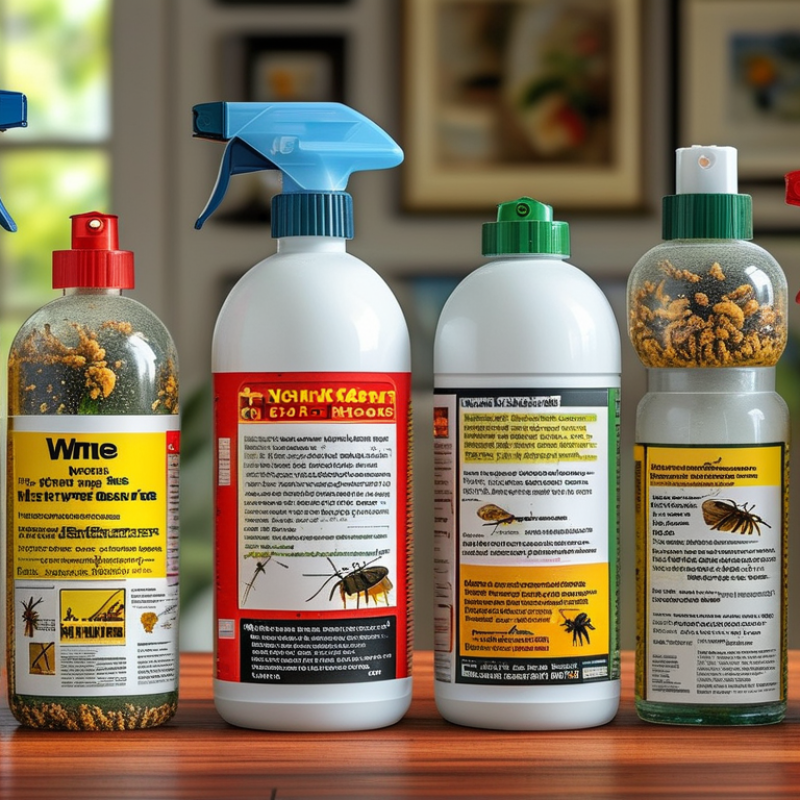
Understanding the Types of Household Insecticides Available
When it comes to choosing household insecticides, understanding the different types available is crucial. There are primarily two categories: synthetic and natural insecticides. Synthetic insecticides often provide a quick knockdown of pests. They are effective against a wide range of insects, including ants and cockroaches. However, reliance on these chemical solutions can lead to resistance over time. Reports indicate that nearly 70% of common pests have developed resistance to certain chemical formulations.
Natural insecticides, on the other hand, use plant-based ingredients and oils. These can be safer for the home environment, especially where children or pets are present. According to studies, natural insecticides can reduce pest populations effectively while minimizing chemical exposure. However, their efficacy may vary, and frequent applications might be necessary. This ongoing need can be a drawback for busy households.
In addition, homeowners should consider residual effects. Some insecticides provide long-lasting protection while others require reapplication after rain or other conditions. Reflecting on the trade-offs between effectiveness and safety is vital for responsible pest management. Choices made here can significantly impact both health and the environment.
Household Insecticide Types and Their Effectiveness
Evaluating the Efficacy of Active Ingredients in Insecticides
Choosing the right household insecticide can feel overwhelming. Understanding the active ingredients in these products is essential. Different insecticides target specific pests, making efficacy a critical factor. Some common active ingredients include pyrethroids, neonicotinoids, and insect growth regulators. Each has unique properties and potential side effects.
Active ingredients like pyrethroids, derived from natural sources, are popular. They quickly knock down pests but may not provide long-lasting effects. Neonicotinoids work by disrupting the nervous system of insects but raise concerns about environmental impact. Insect growth regulators, on the other hand, prevent insects from maturing. While they are effective, their slow action can test your patience.
It's vital to evaluate effectiveness based on your needs. Consider pest type, infestation level, and safety around children and pets. Every ingredient has its strengths and weaknesses. Research and reflect on how different options fit your specific situation. Rely on trusted sources to guide your choices and make informed decisions.
How to Choose the Best Household Insecticide for Your Home? - Evaluating the Efficacy of Active Ingredients in Insecticides
| Active Ingredient | Target Pests | Mode of Action | Efficacy Rating (1-5) | Safety for Indoor Use |
| Pyrethroids | Cockroaches, Ants, Flies | Nerve toxin that disrupts nerve signals | 4 | Moderate |
| Neonicotinoids | Termites, Fleas | Disrupts neurotransmitter functions | 3 | Caution |
| Boric Acid | Cockroaches, Ants | Desiccant that dehydrates pests | 5 | Safe |
| Insect Growth Regulators (IGRs) | Fleas, Mosquitoes | Disrupts development and reproduction | 4 | Safe |
| Diatomaceous Earth | Bed Bugs, Fleas | Dehydrates pests with sharp particles | 5 | Safe |
Assessing Safety Considerations for Pets and Children
When selecting a household insecticide, safety for pets and children is paramount. Many products contain chemicals that may be harmful. Always check labels for toxicity warnings. Consider natural ingredients as safer alternatives. They reduce risk but may be less effective.
Tips: Choose insecticides labeled as pet-safe or child-safe. This label indicates lower toxicity levels. Avoid using sprays in areas where kids or pets play. Ensure thorough ventilation when using any product.
It's essential to store insecticides safely. Keep them out of reach of children and pets. Misplacement can lead to accidental ingestion. Even small amounts can cause harm. Rethink your storage options if you have little ones at home.
Assess the environment where you apply the insecticide. Close off areas until it's dry. Monitor reactions in pets and kids. If any unusual symptoms occur, consult a healthcare professional. Being cautious and informed is key to maintaining a safe home.
Examining Environmental Impact and Eco-Friendly Alternatives
When selecting a household insecticide, consider its environmental impact. Many conventional insecticides contain harsh chemicals. These can harm local ecosystems, water sources, and even human health. Alternatives exist that are effective yet less harmful.
Eco-friendly options include natural insect repellents like neem oil and diatomaceous earth. These alternatives break down quickly and reduce chemical exposure. However, their effectiveness may vary. Some users report mixed results. It’s essential to evaluate each situation carefully.
Research local pests to choose the best approach. Consider your home environment and any pets or children. In some cases, barriers and physical traps can be useful too. Though not always 100% effective, they reduce reliance on chemicals. This holistic view fosters a healthier living space over time.
Comparing Cost-Effectiveness and Application Methods of Insecticides
When selecting a household insecticide, understanding cost-effectiveness and application methods is vital. Studies show that sprays are the most commonly used, making up 70% of household insecticides. These products can yield quick results but often require careful application to avoid overuse. Misapplication can lead to wasted product and increased exposure risks for families and pets.
Powders, while less popular, offer a different advantage. They are often effective for longer periods. Research indicates that certain powder formulations can last up to six months in treated areas. However, they require more detailed application to ensure pest contact. In comparison, baits target specific insects and are often more efficient, but they can take time to see results. A study noted that only 30% of homeowners utilize baits, despite their effectiveness in certain pest control scenarios.
Cost plays a significant role in consumer decisions. A 2022 report highlighted that homeowners can spend anywhere from $10 to $50 on insecticides, depending on formulation and coverage. The cheapest option is not always the best. Thus, considering long-term effectiveness versus initial cost is essential. Balancing your pest control strategy with these methods can ultimately lead to more informed choices and better results in managing household insects.