How to Choose the Best Infrared Panels for Your Home Heating Needs?
Choosing the right heating solution for your home can be challenging. Infrared panels are becoming increasingly popular as an efficient alternative. They provide warmth by emitting infrared radiation, creating a comfortable atmosphere without excessive energy use.
When selecting infrared panels, consider your space. The size, insulation, and layout of the room play significant roles in effectiveness. It's essential to match the heating capacity of the panels with your specific needs. Some homeowners rush this decision and regret not thinking it through.
Additionally, look at the style and design of infrared panels. They come in various shapes and colors, which can suit your home décor. However, not all options fit seamlessly into every space. Evaluating your requirements carefully can prevent common mistakes, ensuring you make an informed choice.
Understanding Infrared Heating Panels: Benefits and Functions
Infrared heating panels are becoming popular in many homes. They work differently from traditional heaters. Instead of heating the air, they warm the objects and people in the room. This can create a more comfortable environment. The gentle warmth feels nice, especially during cold months.
One major benefit is energy efficiency. Infrared panels can reduce heating costs. They use less energy to heat the same space. This is appealing for homeowners looking to save money. However, it’s important to note that placement matters. Poor positioning can lead to uneven heating. You may end up with cold spots in your home. Consider where you spend the most time. Is it in the living room or bedroom?
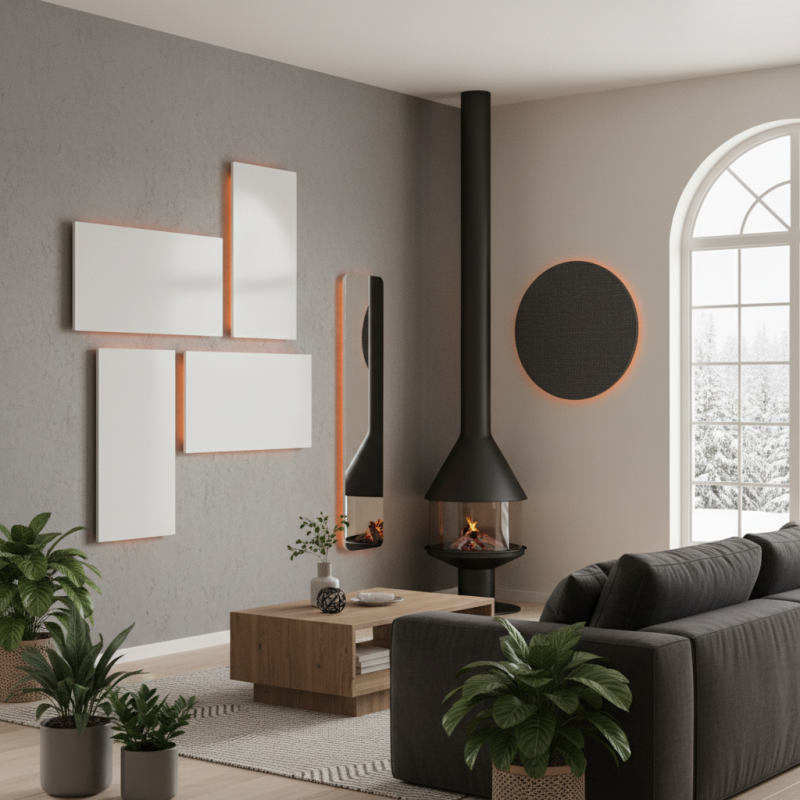
Another aspect to think about is design. Infrared panels come in various styles. Some are sleek and modern, while others blend into ceilings. This allows for aesthetic flexibility. But, remember that not all designs fit every home decor. You may need to compromise on style for functionality. Assess your needs carefully to find the right balance.
Types of Infrared Panels: Which One Suits Your Home Best?
When selecting infrared panels, consider the different types available. There are panel heaters, quartz heaters, and even portable models. Each type has unique features that may suit various home heating needs. For instance, panel heaters provide steady warmth, while quartz heaters offer quick bursts of heat.
Industry reports indicate that infrared panel heating can be up to 30% more efficient than traditional heating systems. However, not every panel will be ideal for your space. Quartz heaters tend to work well in smaller, enclosed areas. But they may leave larger rooms feeling cold.
Portability can be a significant advantage. Many households prefer infrared panels that are easily moved. However, portable models may lack the heating capacity of fixed systems. Balancing efficiency and power is a common challenge. Assessing your home's layout is vital. If you have high ceilings, standard panels might not suffice. Always consider how these variables affect your comfort.
Choosing the Best Infrared Panels for Home Heating Needs
Key Features to Consider When Selecting Infrared Heating Panels
When selecting infrared heating panels, several key features deserve attention. First, consider the wattage. Higher wattage panels typically heat larger spaces more effectively. Research indicates that a panel with 100 watts can adequately heat about 10 square meters. However, larger rooms may require multiple panels, changing the heating dynamics.
Next, look at the panel's design. Many models come in sleek, modern styles that blend seamlessly with home décor. Aesthetically pleasing panels can enhance your space. Weight and installation are crucial too. Lightweight panels are easy to mount, saving time and effort during setup.
Don’t overlook energy efficiency. A study from the Energy Information Administration highlights that infrared panels can reduce heating costs by up to 30%. However, individual results may vary based on insulation and local climates.
Finally, check the material quality. Some panels are made from durable materials that last longer, while others may not provide the same longevity. Consider how often you want to replace your heating source.
How to Choose the Best Infrared Panels for Your Home Heating Needs?
| Feature |
Description |
Importance |
| Power Output |
Measured in watts, determines how much space can be effectively heated. |
Essential for efficiency and heating capacity. |
| Panel Size |
The dimensions of the infrared panel; should fit your space requirements. |
Critical for installation and functionality. |
| Design |
Aesthetic appeal; options for various styles and colors. |
Important for home decor integration. |
| Energy Efficiency |
Rating that indicates how much energy is converted to heat. |
Crucial for cost savings on energy bills. |
| Thermostat Control |
Programmable options for flexible heating schedules. |
Enhances convenience and efficiency. |
| Safety Features |
Includes features like overheat protection and tip-over switches. |
Vital for preventing accidents. |
| Installation Type |
Can be wall-mounted, ceiling-mounted, or freestanding. |
Affects heating effectiveness and space utilization. |
| Warranty |
Length and terms of warranty coverage. |
Indicates reliability and manufacturer confidence. |
Sizing Your Space: Calculating the Right Number of Panels Needed
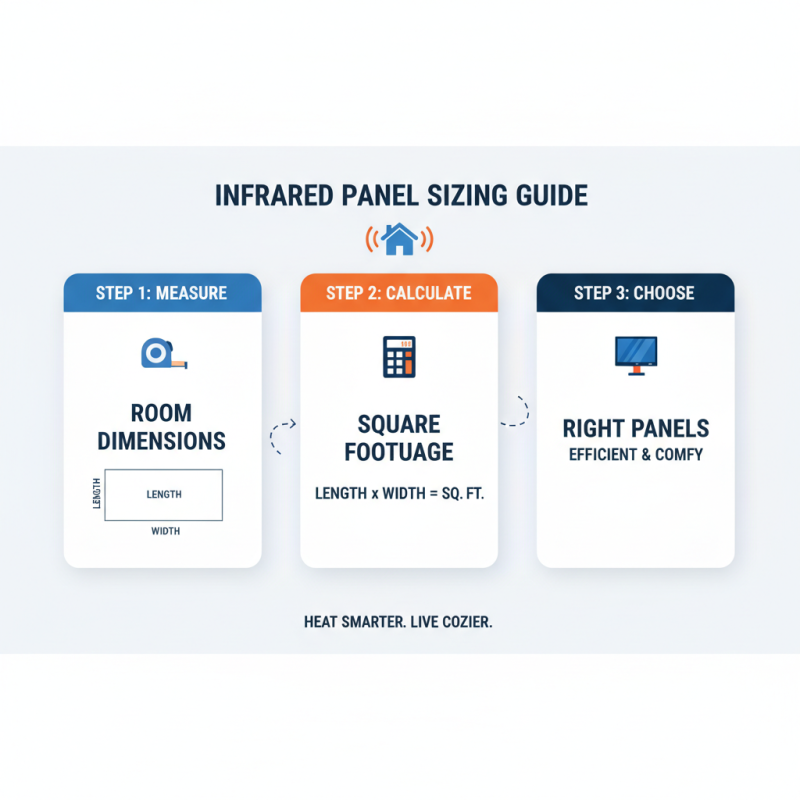
When it comes to heating your home, choosing the right infrared panels is crucial. Sizing your space properly ensures efficiency and comfort. Start by measuring the room dimensions. Multiply the length by the width to find the square footage. This number is essential for your calculations.
Consider the ceiling height. High ceilings require more heating power. As a rule of thumb, you'll need about 10 watts per square foot for standard ceilings. For taller spaces, increase this to 12-15 watts. Keep in mind that drafts and poorly insulated areas may require additional panels to maintain warmth.
Tips: Ensure that all windows are sealed properly. Gaps can significantly affect heating efficiency. Think about the layout. If the room has an open concept, you may need fewer panels than if it’s divided. Reflect on how often you use each room. Unused spaces can often remain unheated.
Take time to evaluate your heating needs before purchasing. It can be tempting to buy too few panels, thinking it will save money. This often leads to dissatisfaction. In another light, overestimating can result in unnecessary costs. Finding that balance requires careful thought and planning.
Installation and Maintenance Tips for Optimal Performance
When choosing infrared panels for home heating, installation and maintenance are crucial. Proper installation enhances efficiency. Studies show that incorrect setup can reduce performance by up to 30%. Ensure you follow guidelines closely. The panels should be mounted at least 12 inches from the ceiling. This space allows heat to circulate effectively.
Regular maintenance is necessary to keep infrared panels running optimally. Dust and debris can accumulate, impacting performance. Cleaning panels every 3-4 months helps maintain heating efficiency. Use a damp cloth and avoid harsh chemicals. If you notice fluctuations in heating, it might signal deeper issues. Depending on usage, consider a yearly professional inspection.
Don't overlook user feedback and installation environments. Each home is different. Factors like insulation and layout play significant roles. A poorly placed panel can lead to cold spots. Seek expert advice if unsure. Gathering data on your home’s heating patterns can also guide decisions.