How to Choose the Best Outdoor Propane Heater for Your Needs
When it comes to enhancing outdoor experiences, investing in an outdoor propane heater can significantly elevate comfort levels during chilly evenings. According to the Outdoor Power Equipment Institute, outdoor heating solutions have gained popularity due to their effectiveness and energy efficiency. The demand for outdoor propane heaters has surged, with reports indicating a growth rate of 4.5% annually in the outdoor heating market, driven by an increase in residential and commercial outdoor living spaces.
Selecting the right outdoor propane heater entails assessing various factors that align with individual needs, such as heating capacity, size, and safety features. A study conducted by the National Association of Landscape Professionals revealed that around 60% of homeowners prioritize outdoor heating options as a necessary investment, further emphasizing the importance of making an informed choice. By understanding the specifics of each model and its operational nuances, users can ensure that they select a heater that not only meets their heating demands but also enhances their overall outdoor ambiance.
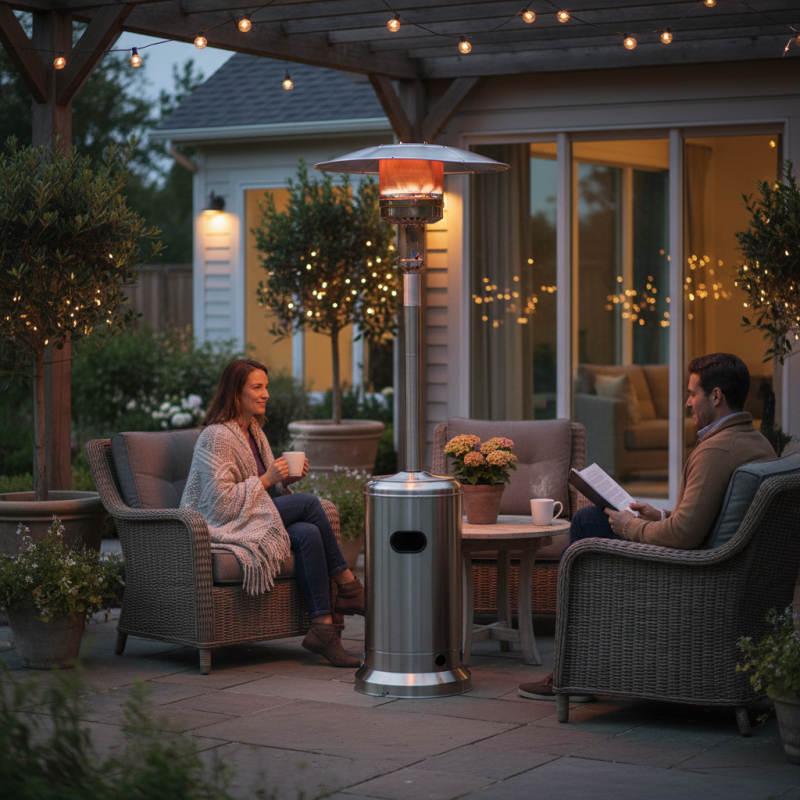
Understanding Outdoor Propane Heaters and Their Benefits
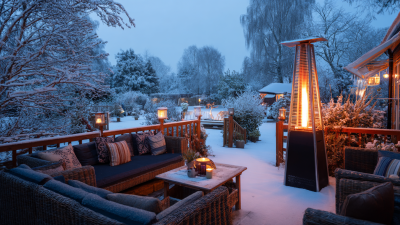
Outdoor propane heaters are an excellent addition to any patio or outdoor space, providing warmth and comfort during cooler months. Understanding their benefits can significantly enhance your outdoor experience. These heaters are efficient, able to generate significant heat while consuming minimal fuel. Their portability allows for flexibility in placement, making it easy to move them around as needed. Additionally, propane heaters produce clean heat without the smoke and ash associated with traditional wood-burning options, creating a more pleasant environment for gatherings.
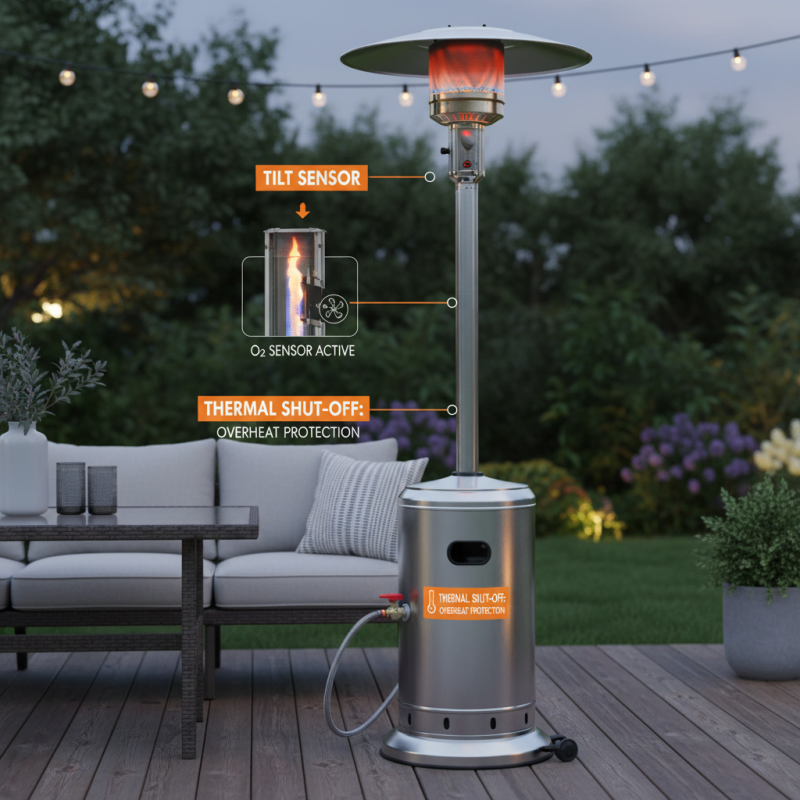
When selecting an outdoor propane heater, consider the size and layout of your space. Larger areas may require units with higher BTU outputs to ensure adequate warmth throughout. It's also essential to think about safety features, such as automatic shut-off mechanisms that activate in turbulent weather or when the heater is tipped over.
Tips for choosing the right heater include evaluating the weather conditions in your area and the time you plan to spend outdoors. If you frequently host gatherings, a model with a larger heating radius would be beneficial. Lastly, ensure ease of use by looking for heaters with straightforward controls and reliable ignitions to enhance your outdoor experience.
How to Choose the Best Outdoor Propane Heater for Your Needs
| Feature |
Value |
Benefits |
| Heat Output |
20,000 - 50,000 BTU |
Provides comfort in colder outdoor environments |
| Fuel Source |
Propane |
Widely available and efficient for outdoor heating |
| Portability |
Portable and Stationary Options |
Easy to move for different outdoor settings |
| Ignition Type |
Piezo Ignition or Electric Start |
Quick and easy ignition for user convenience |
| Safety Features |
Tip-Over Protection & Automatic Shut-Off |
Increases safety when using outdoors |
| Average Runtime |
8-12 hours per 20 lb tank |
Provides prolonged heating without frequent refueling |
| Price Range |
$100 - $500 |
Variety of options available for different budgets |
Factors to Consider When Choosing a Propane Heater
When choosing the best outdoor propane heater for your needs, several critical factors should be considered to ensure you select the most suitable option for your space and usage. First, assess the heating capacity measured in BTUs (British Thermal Units). Heaters typically range from 10,000 to 50,000 BTUs, and a higher BTU rating means more heat output. For larger outdoor areas, such as patios and decks, you'll want a heater that delivers at least 20,000 BTUs for effective warmth. According to the Propane Education & Research Council, selecting the right BTU rating can significantly enhance energy efficiency and comfort during colder months.
Another factor to consider is the heater's design and mobility. Depending on your outdoor setup, you may prefer a stationary or portable heater. Stationary models usually offer greater stability and heat output, while portable options provide flexibility and convenience for different occasions. Keep in mind that portable heaters can weigh anywhere from 10 to 30 pounds, making them easier to transport but sometimes less powerful than their fixed counterparts.
Tips: Always check for safety features such as automatic shut-off mechanisms and tip-over protection. Additionally, consider the maintenance requirements of the heater; models that are easier to clean and service will save you time and effort in the long run. Lastly, evaluate the heater's fuel efficiency; a more efficient heater will not only save on propane costs but also reduce your environmental footprint.
Outdoor Propane Heater Comparison
Types of Outdoor Propane Heaters Available in the Market
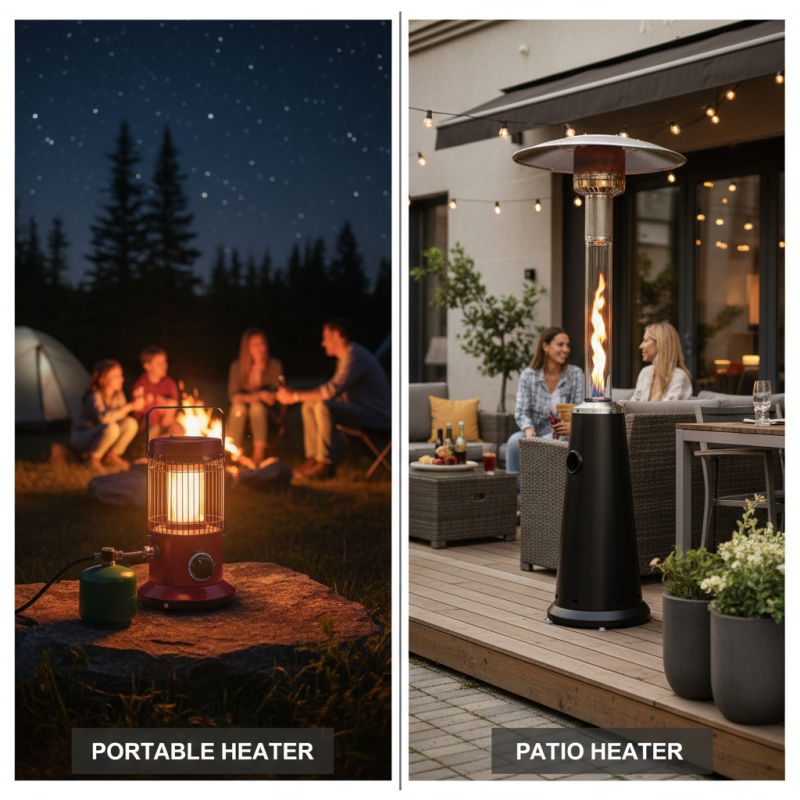
When considering the types of outdoor propane heaters available in the market, it's essential to recognize that they come in various designs and functionalities tailored to meet different heating needs. The two primary types include portable heaters and patio heaters. Portable heaters are ideal for those who need flexibility, as they can easily be moved from one location to another, making them suitable for camping trips or family gatherings in the backyard. According to a report by Grand View Research, the portable outdoor heater segment is expected to grow significantly, driven by increased consumer preference for outdoor living spaces.
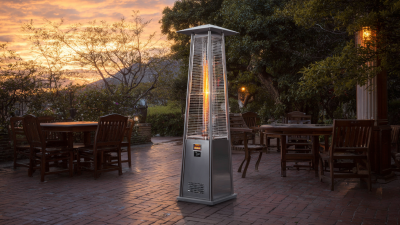
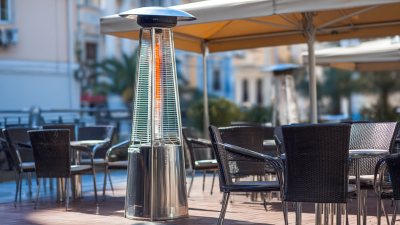
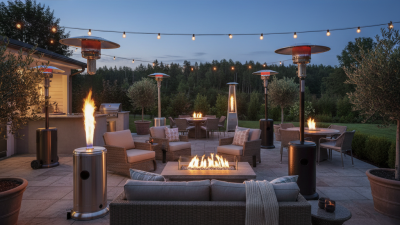
On the other hand, patio heaters are designed to provide a more stationary heating solution, ideal for dining areas or outdoor lounges. These heaters typically feature a taller structure with an umbrella-like design, allowing them to radiate heat over a larger area. The Outdoor Power Equipment Institute indicates that the patio heater market has seen a surge in popularity, with a projected market growth rate of 7% annually due to rising trends in outdoor entertainment and home gatherings. Understanding these types allows consumers to make informed decisions based on their specific needs and the ambiance they wish to create in their outdoor spaces.
Safety Features and Maintenance Tips for Propane Heaters
When choosing the best outdoor propane heater, safety features should be a top priority. Look for models equipped with an automatic shut-off feature that activates if the heater tips over or if it detects low oxygen levels in the surrounding area. This is essential for preventing potential hazards, as propane heaters can produce carbon monoxide. Additionally, models with thermal shut-off mechanisms can prevent overheating, ensuring that the unit operates at a safe temperature.
Regular maintenance is also crucial to ensure the longevity and safety of your propane heater. Before using the heater at the beginning of a season, inspect all connections and hoses for any signs of wear or leaks. Conduct a visual check to ensure that the burner ports are clean and free of debris. It is also advisable to keep the heater covered or stored indoors when not in use to protect it from the elements. Familiarizing yourself with the manufacturer’s guidelines for maintenance will help you address any issues early on and ensure safe operation throughout its lifespan.
Matching Heater Output to Your Outdoor Space Requirements
When selecting an outdoor propane heater, understanding how to match the heater's output to your specific outdoor space requirements is crucial. The output of a propane heater is typically measured in British Thermal Units (BTUs). For small patios or balconies, a heater emitting around 30,000 BTUs can adequately warm up an area of about 100 to 200 square feet. In contrast, larger outdoor spaces or gatherings may require models that provide upwards of 50,000 to 80,000 BTUs to maintain a comfortable temperature across expansive areas.
Expert reports from the American Society of Heating, Refrigerating and Air-Conditioning Engineers (ASHRAE) emphasize the importance of calculating the appropriate BTUs based on the size and layout of your space. Factors such as wind exposure, the presence of shade, and the type of seating arrangement can significantly influence your heater's efficiency. For instance, a closed area typically retains heat better than an open one, necessitating lower output.
Tips:
- To optimize warmth, consider strategically positioning your heater to ensure even heat distribution, paying particular attention to areas with high foot traffic.
- Always factor in local weather conditions; you may need a heater with higher output during colder months or in windy conditions.
- Ensure your heater has adjustable settings so that you can tailor the heat output to your comfort and changing outdoor temperatures.