Why Choose Stainless Steel Food Containers for Safe Storage?
In recent years, the demand for stainless steel food containers has surged. With growing concerns about food safety, more consumers prioritize durable and non-toxic storage solutions. According to a report by the Food Safety Authority, over 70% of foodborne illnesses can be traced back to improper storage. Stainless steel food containers emerge as a reliable option in mitigating these risks.
Stainless steel is known for its resistance to corrosion and bacterial growth. Unlike plastic, it does not leach harmful chemicals, especially when exposed to heat. Industry studies indicate that stainless steel containers keep food fresher for longer periods. This is crucial for maintaining nutrition and minimizing food waste. Though some may find stainless steel pricier upfront, its long lifespan and recyclability offer substantial long-term savings and environmental benefits.
Despite these advantages, there are imperfections to consider. Not all stainless steel containers are created equal; quality can vary. Some products may not be entirely rust-proof or may dent easily. Choosing a reputable brand is essential for ensuring safety and durability. It's vital for consumers to research and make informed choices, as not every option on the market meets high standards of reliability.
Benefits of Stainless Steel Food Containers for Food Safety
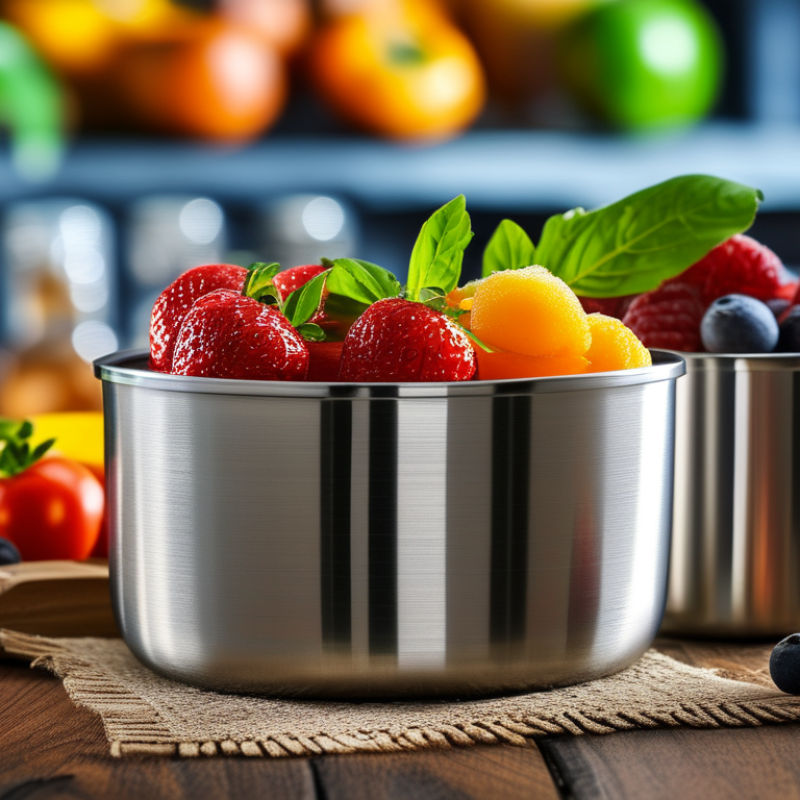
Stainless steel food containers are increasingly popular for safe food storage. They offer several advantages that enhance food safety. For example, stainless steel is non-porous and does not absorb bacteria or odors. This characteristic makes it a superior choice for storing various types of food. A 2022 report from the Food and Drug Administration indicated that a clean storage solution can reduce foodborne illnesses by up to 30%.
Another important aspect is the durability of stainless steel. Unlike plastic, which can warp or degrade over time, stainless steel retains its integrity. This resistance to wear means that users can trust these containers for long-term storage. A study by the Institute of Food Technologists highlighted that stainless steel containers can last up to 20 years without significant wear.
Stainless steel also has the added benefit of being recyclable. This feature addresses growing environmental concerns regarding plastic waste. However, while stainless steel containers are robust, they may still dent or scratch. Users should inspect their containers regularly. They should also ensure that they are washing them properly to prevent any buildup of food residues.
Durability and Longevity of Stainless Steel Storage Solutions
Stainless steel food containers offer exceptional durability and longevity, making them a premier choice for safe food storage. Unlike plastic or glass, stainless steel can withstand rough handling without chipping or cracking. Reports indicate that stainless steel can last more than 20 years with proper care, significantly outpacing alternatives. This longevity reduces the need for frequent replacements, saving both money and resources over time.
Moreover, stainless steel is resistant to rust and corrosion, critical factors in maintaining food safety. A study from the Food Safety and Inspection Service showed that stainless steel containers inhibit bacterial growth, ensuring healthier food storage. The material does not absorb odors or stains, which is a common issue with plastic. This means that food items maintain their intended flavors longer, contributing to overall food quality.
Cooking and storing food in high-quality stainless steel can also be more energy-efficient, as these containers conduct heat well. Yet, it's essential to acknowledge the environmental impact of production. Although stainless steel is recyclable, the mining and processing involve significant energy use. Concerns arise about the sustainability of sourcing raw materials. Consumers should consider these factors when choosing their storage solutions and reflect on their own habits. Ultimately, the longevity and safety of stainless steel containers make them a wise investment for many households.
Comparing Stainless Steel with Plastic Food Storage Options
When it comes to food storage, stainless steel containers stand out against plastic options. Stainless steel is durable and resistant to corrosion. Unlike plastic, it doesn’t absorb odors or stains. This makes it a better choice for long-term storage. Additionally, stainless steel is BPA-free, ensuring your food remains safe.
Using stainless steel containers can be quite beneficial. They can withstand high temperatures, making them perfect for hot food. They are also easier to clean and can be placed in the dishwasher without worry. However, some might find them heavier than plastic. It's important to consider your specific needs, especially if portability is a priority.
Tips for maintaining stainless steel containers: always rinse them after use. This prevents residue build-up. Avoid using harsh chemicals when cleaning. Instead, opt for mild soap and water. Check for scratches, as these can harbor bacteria. Transitioning from plastic to stainless steel might require adjustments, but the benefits are significant. Reflection on your storage habits can really enhance your food safety practices.
Environmental Impact of Choosing Stainless Steel Containers
Using stainless steel food containers significantly impacts the environment. They are durable, reusable, and recyclable. According to a report from the Environmental Protection Agency (EPA), stainless steel can be recycled an infinite number of times without loss of quality. This makes it a sustainable choice compared to plastic, which contributes to 8 million tons of ocean waste annually.
Stainless steel reduces the need for single-use plastics. Each year, the production of plastic releases approximately 400 million tons of greenhouse gases. In contrast, steel containers help lower this footprint. They last longer, meaning fewer replacements and reduced waste over time. The energy used to produce stainless steel is recoverable through recycling.
**Tip:** If you want to minimize waste, opt for multi-purpose stainless steel containers. They can store food, act as lunch boxes, or hold leftovers—all in one.
**Tip:** Check for certifications. Look for containers that meet safety and sustainability standards. This ensures that your choice is both safe for your health and the planet.
Environmental Impact of Choosing Stainless Steel Food Containers
Maintaining Hygiene and Cleanliness with Stainless Steel Products
Stainless steel food containers are a smart choice for maintaining hygiene and cleanliness in food storage. Unlike plastic, stainless steel is non-porous. This means that it does not absorb bacteria or odors. You can wash it easily without worrying about residual contaminants. Most importantly, steel is corrosion-resistant. This feature helps in fighting off rust and keeps food safe.
However, not all stainless steel containers are the same. Some may have coatings that can wear off. Choosing high-quality products can prevent this problem. It is crucial to inspect materials closely. Also, regular cleaning is essential. Just because the container is stainless steel does not mean it is always clean. Lingering food bits can cause bacteria growth if not properly washed.
Another consideration is the weight and durability. Stainless steel containers are generally heavier than plastic ones. They may not be ideal for every situation, especially for outdoor activities. However, their longevity often outweighs the portability issue. Investing in stainless steel means realizing you are not just buying a container; you are opting for a sustainable solution.