Why Choose Toddler Tennis Shoes for Your Store?
Toddler Tennis Shoes can give your store a useful option for families seeking everyday footwear for young children. Parents often look for shoes that feel comfortable, stay secure during play, and are simple to put on. Small details matter: a flexible sole, a roomy toe area, and a fastening style that little hands can manage. No single design works for every toddler. Fit and comfort should come before appearance.
For retailers, this category can complement clothing, school essentials, and other children’s shoes. A clear size range and a few practical styles make browsing easier. Consider features shoppers can inspect, such as lightweight materials, a padded collar, and a grippy outsole. Be specific about product details, and avoid promising that a shoe prevents falls or supports every child’s development. Those claims need evidence. Parents deserve clear information, not sales language that overreaches.
There is a practical challenge, too. Toddlers grow quickly, and preferences can change from one visit to the next. Stocking only bright colors or one closure type may leave some families searching elsewhere. A balanced selection can include neutral and playful options, plus laces, straps, or easy-on designs where available. Ask customers what they need, then review which sizes and styles move. The answer may surprise you. A thoughtful range of Toddler Tennis Shoes can make your store more useful, though it cannot guarantee a sale.
What Defines a Toddler Tennis Shoe?
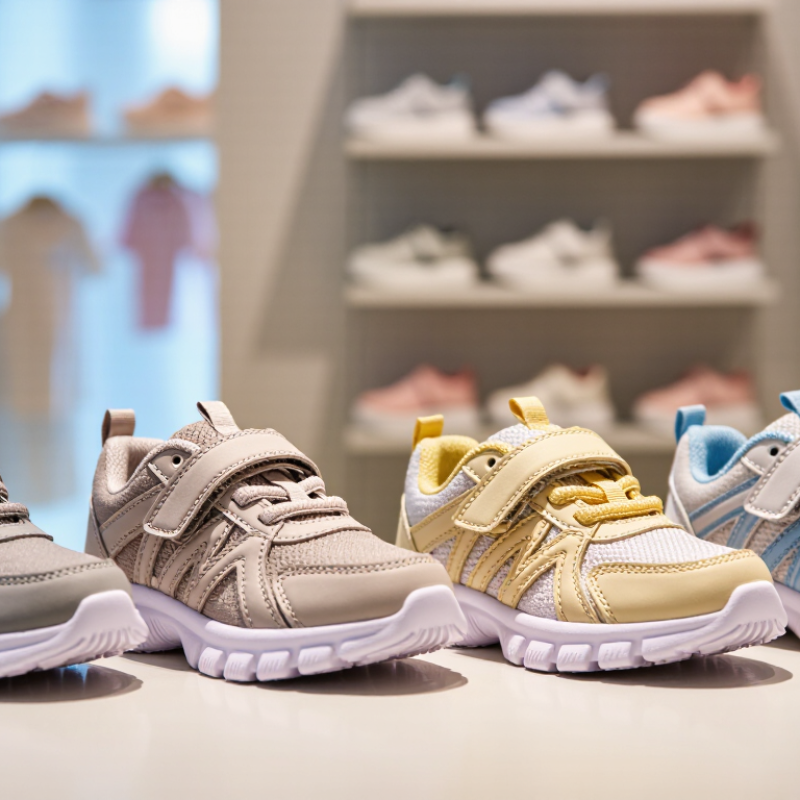
A toddler tennis shoe is a lightweight, low-cut sneaker designed for walking, play, and everyday movement. The name describes its sporty shape, not a promise that it suits every court or activity. A broad toe area gives little toes room to spread, while a secure heel helps limit slipping during quick steps. The upper should feel soft and allow some airflow; stiff seams can rub, especially on small feet.
Look closely at the sole. It should bend near the ball of the foot, but still offer enough structure to protect against rough playground surfaces. A textured outsole can help with grip on common indoor and outdoor floors. Velcro straps or elastic laces make independent dressing easier, though they must hold the shoe snugly without pressing the top of the foot. Small details matter. Check for smooth lining, a padded collar, and a toe cap that can handle scuffs.
For a store, clear sizing guidance and practical product details help caregivers compare options. Fit matters more than the label. Have the child stand while trying shoes on, and leave a little growing room without letting the heel slide. There is no magic checklist. I would still inspect each pair carefully, since two shoes in the same size can feel surprisingly different.
How Toddler Foot Development Shapes Shoe Requirements
Why Choose Toddler Tennis Shoes for Your Store?
How Toddler Foot Development Shapes Shoe Requirements
Toddler feet are still growing, and their walking patterns are developing too. Shoes should allow toes to spread without sliding around inside. A rounded, roomy toe box helps avoid squeezing small toes together. There should be a little space in front, but excess length can make walking awkward. Fit matters more than a size printed on the box.
Look for a flexible sole that bends near the ball of the foot. A very stiff sole can make natural movement harder; a slippery one can be troublesome on smooth floors. The heel should feel secure without rubbing, and closures should be easy for caregivers to adjust. Small details count. A shoe that feels soft in hand may still fit poorly.
For store buyers, offering several widths and practical adjustment options can help families find a better fit. Encourage caregivers to check fit regularly, since toddler feet can change quickly. Measuring both feet while the child stands is a useful starting point, not a guarantee. Children grow at different rates, and fit can be surprisingly hard to judge. If a child consistently seems uncomfortable or walks differently, caregivers can ask a pediatric health professional for guidance.
Why Choose Toddler Tennis Shoes for Your Store?
How Toddler Foot Development Shapes Shoe Requirements
Young children’s feet grow quickly, so shoes need room for natural toe movement and should be checked for fit regularly. Common fit-guidance estimates put foot growth at about 1.5 mm per month from birth to age 3 and about 1 mm per month from ages 3 to 5; individual growth varies.
Which Features Support Comfort, Fit, and Everyday Movement?
Toddler tennis shoes should feel comfortable from the first try-on, with a flexible sole and a toe area that lets little toes spread. The American Academy of Pediatrics advises choosing lightweight, flexible shoes that fit comfortably without a break-in period. Fit comes first. Check both feet while the child is standing, then feel for pressure at the toe and heel. A size chart helps, but it cannot tell you where a particular shoe rubs.
Everyday movement means shoes need to stay secure during quick turns, playground stops, and walks across uneven pavement. The World Health Organization’s 2019 guidelines recommend at least 180 minutes of varied physical activity daily for children aged one to two, spread throughout the day. That is a movement guideline, not proof that a shoe makes a child more active. Still, it shows why comfort matters across more than a short outing. Look for adjustable closures, breathable uppers, and soles that bend near the toes without collapsing. Small details matter. Fit can change as feet grow, and checking it regularly is easy to overlook. A shoe may look roomy on the shelf yet press against a child’s foot in motion.
How Do Toddler Tennis Shoes Differ from Other Toddler Footwear?
Toddler tennis shoes differ from slippers, sandals, and soft booties because they are designed for active movement. A flexible forefoot helps little feet bend during walking and running, while a secure heel and adjustable closure help keep the shoe in place. A rubber outsole adds grip on playground surfaces. The toe box should leave room for toes to spread; extra stiffness or bulk is not automatically better.
Fit matters more than appearance. The American Academy of Pediatrics advises checking young children’s shoe fit every two to three months, as feet grow quickly. For store buyers, this supports carrying frequent size options and styles with easy-to-adjust fastenings. Tennis shoes can suit daily play, but they are not ideal for every moment: a firm, grippy sole may feel less comfortable than a soft slipper indoors. Fit changes fast.
Tips: Check both feet while the child is standing. Leave a little space at the toes, make sure the heel does not slip, and look for creases where the foot naturally bends. A shoe that feels snug in the store may become uncomfortable after a short walk, so test the fit with a few steps.
What Should Stores Consider When Choosing Styles and Sizes?
Why Choose Toddler Tennis Shoes for Your Store?
What Should Stores Consider When Choosing Styles and Sizes?
Toddler shoppers need shoes that work for quick steps, playground stops, and frequent changes in foot size. The American Academy of Pediatrics recommends checking fit and choosing shoes that feel comfortable, with room for toes to move. Keep fitting practical: measure both feet, since one may be longer, and check the fit while the child is standing. Small details matter.
For styles, stock lightweight pairs with flexible soles, secure closures, and breathable uppers. Hook-and-loop straps can help caregivers adjust the fit without wrestling with laces. Include simple colors for everyday wear and a few bright options for children who want to choose for themselves. Avoid relying on appearance alone; a roomy toe box is useful only if the heel stays secure.
Size planning needs regular review. The World Footwear Yearbook 2023 estimated that 23.9 billion pairs of shoes were produced worldwide in 2022, with Asia accounting for 87.4% of production. That scale makes clear sizing and fit guidance a practical way for stores to serve shoppers. Build a size curve from local sales, then track exchanges by size and style. There is no perfect size curve. Seasonal demand and individual growth can make last year’s numbers misleading. A small fitting bench and a simple measuring guide can help staff give more consistent advice.