How to Choose the Best Electric Heaters for Your Home?
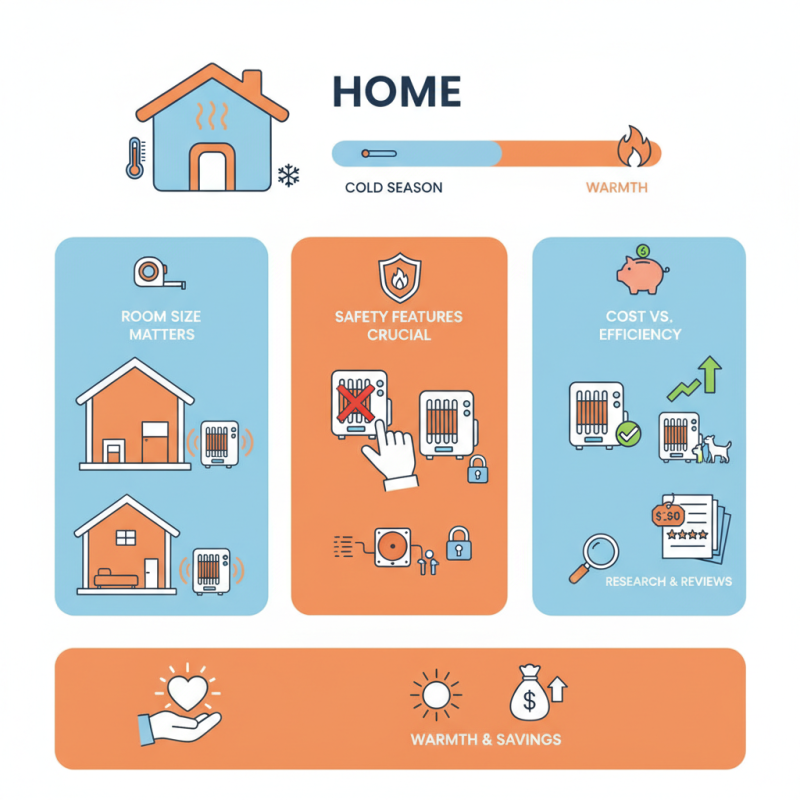
When the cold season arrives, choosing the best electric heaters for your home becomes essential. These heaters offer comfort and warmth while being energy-efficient. However, with so many options on the market, making a choice can feel overwhelming.
Many factors influence your decision. For instance, the size of your room plays a major role. If you choose a heater that is too small, it may not heat effectively. Similarly, safety features are crucial, especially for families with children or pets. You want to ensure that your heater won't overheat or pose a fire risk.
You might find it tempting to go for the cheapest option. However, this decision could lead to higher energy bills in the long run. Some electric heaters may seem appealing due to lower initial costs. Yet, their performance may disappoint. Researching reviews and comparisons can help you avoid this pitfall. Selecting the best electric heaters requires careful consideration, but it pays off with warmth and savings.
Understanding Different Types of Electric Heaters: A Comprehensive Overview
When choosing an electric heater, understanding the different types is crucial. Electric heaters fall into several categories, including convection, radiant, and fan-forced models.
Convection heaters warm the air in a room, while radiant heaters directly heat objects and people nearby. Fan-forced heaters use a fan to distribute warm air, making them quicker and more efficient in larger spaces.
According to the U.S. Department of Energy, electric heaters can cost between $0.20 to $0.50 per hour to operate, depending on their efficiency and your electricity rates. Hence, choosing the right model is key to managing energy costs. Consider the room size and insulation; bigger spaces require higher wattage. A heater rated at 1,500 watts is suitable for a room of about 150 square feet.
Tip: Always check for energy efficiency ratings. Look for heaters with a higher BTU (British thermal unit) output to ensure better heating. Another point to ponder is safety. Heaters can pose fire risks if misused. Ensure there’s adequate spacing around the heater and never leave it unattended. Regularly inspect cords and connections for wear and tear. This practice ensures not just effectiveness but safety too.
Key Factors to Consider When Selecting an Electric Heater for Home Use
When selecting an electric heater for your home, consider the size of your space. A small room may only need a compact model. Larger areas require more power for effective heating. Check the heater's wattage; higher wattage often means better heating. But, don't forget to think about energy efficiency. A powerful heater can consume a lot of electricity. Choose one that balances energy use and heating capacity.
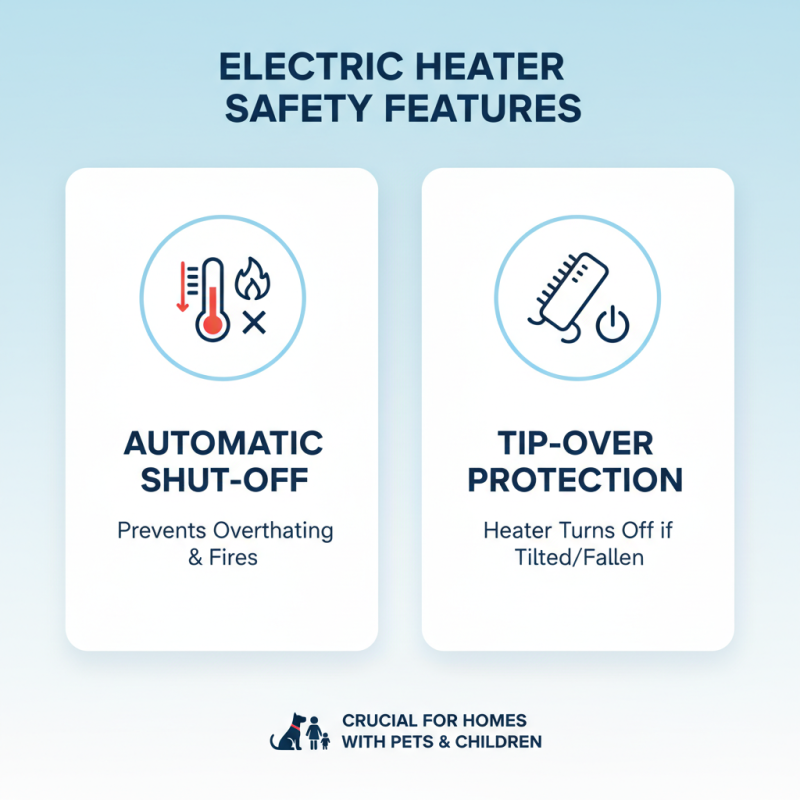
Safety features are essential. Look for heaters with automatic shut-off switches. This can prevent fires or overheating. Some models include tip-over protection, which is useful if you have pets or children. Noise levels can also be a concern. If you're sensitive to sound, look for heaters known for quiet operation.
Aesthetic design might matter too. Some heaters can be quite bulky and unattractive. Finding one that fits your decor can be challenging. Consider portable options for flexibility. They allow you to move heat where it's needed most. Reflect on which features are truly necessary and which are just nice to have. This can help you avoid overspending. The best choice depends on your specific needs and space.
Analyzing Heating Efficiency: BTU Ratings and Energy Consumption Explained
When selecting an electric heater, understanding BTU ratings is crucial. BTU, or British Thermal Unit, measures heating output. A heater with higher BTUs delivers more heat. However, efficiency varies. A heater may have 10,000 BTUs but consume more energy than a 7,000 BTU model. The balance between output and energy consumption is key.
Energy Star reports indicate that a typical electric heater can cost about 13 to 20 cents per hour to operate. But, costs fluctuate based on wattage and local energy rates. For example, a 1,500-watt heater running for 5 hours could consume 7.5 kWh. At 15 cents per kWh, that equals $1.13 per day. Such costs accumulate quickly.
Many consumers overlook the heater’s size relative to the room. A heater too weak won't warm effectively, while an overpowered unit wastes energy. Regular maintenance of electric heaters is also essential. Dust buildup can hinder performance and efficiency. Not every heater is suitable for every space; it’s a mistake to assume one size fits all. Understanding the intricacies of BTU ratings and energy consumption can lead to better heating choices.
How to Choose the Best Electric Heaters for Your Home?
| Heater Type |
BTU Rating |
Wattage |
Energy Consumption (kWh) |
Heating Area (sq ft) |
| Ceramic Heater |
5,000 BTU |
1,500W |
1.5 kWh/h |
150 sq ft |
| Oil-Filled Radiator |
7,500 BTU |
1,500W |
1.5 kWh/h |
200 sq ft |
| Infrared Heater |
6,000 BTU |
1,300W |
1.3 kWh/h |
175 sq ft |
| Fan-Forced Heater |
6,500 BTU |
1,500W |
1.5 kWh/h |
200 sq ft |
| Baseboard Heater |
4,800 BTU |
1,000W |
1 kWh/h |
120 sq ft |
Safety Features in Electric Heaters: What to Look For Before Buying
When choosing an electric heater, safety features should be a top priority. Look for automatic shut-off mechanisms. These features prevent overheating and potential fires. Additionally, consider heaters with tip-over protection. If the heater falls, it will automatically switch off. This can be crucial for homes with pets and children.
Another safety aspect to check for is cool-touch surfaces. Heaters with cool exteriors will not burn anyone who accidentally touches them. This is especially important in smaller spaces, where people often come into close contact with appliances. Also, consider the presence of a built-in thermostat. It helps maintain a consistent temperature, reducing the risk of overheating.
Some models may lack essential safety features. Ensure the product you choose has been tested for safety standards. Look for safety certification labels on the heater packaging. Not all electric heaters are created equal. Being aware of these details can make a significant difference. Take the time to research and reflect on what matters most for your home's safety.
Comparing Costs: Initial Purchase vs. Long-term Energy Expenses for Heaters
When selecting electric heaters, understanding initial costs versus long-term energy expenses is crucial. According to industry reports, electric heaters can range from $30 to over $500 for initial purchase. Cheaper models may seem appealing, but they often lack efficiency. This leads to higher energy bills later.
Long-term energy expenses are significant. The U.S. Department of Energy states that electric heating can cost around $0.12 per kilowatt-hour. For a typical home, heating can consume over 10,000 kWh annually. This results in yearly costs that can exceed $1,200. Investing in a slightly more expensive, energy-efficient heater can reduce these expenses drastically.
Another key consideration is the heater's longevity. Cheaper heaters may save money upfront but can wear out quickly. This results in frequent replacements. A heater that costs more but lasts longer may yield better savings overall. It’s essential to weigh both initial costs and long-term impacts. Skipping this analysis can lead to financial strain and increased environmental concerns. Reflecting on these factors can guide better choices for both your wallet and the planet.