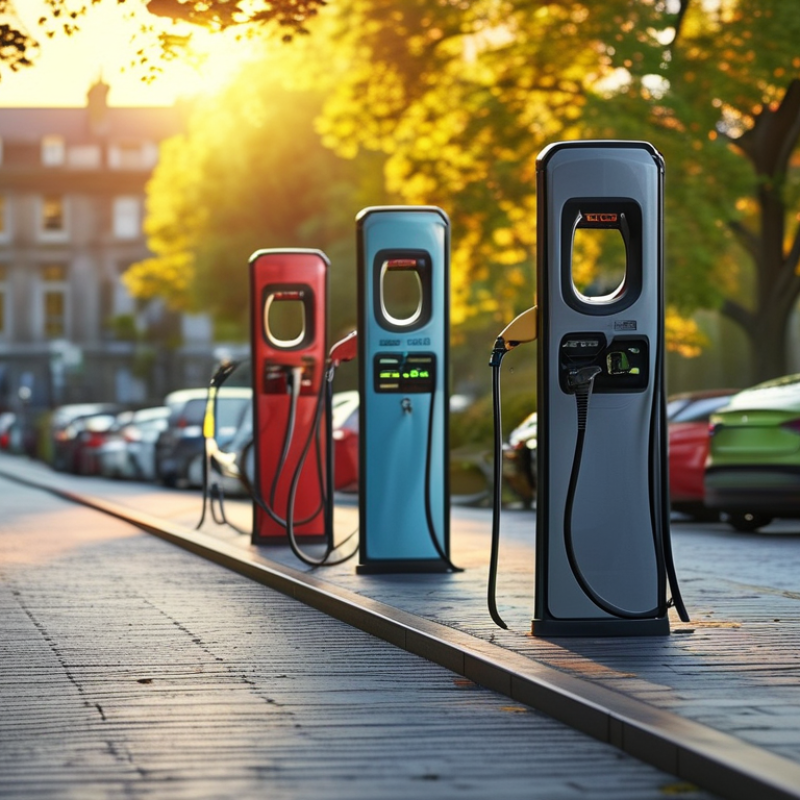
How to Choose the Best EV Charger Station for Your Needs?
Choosing the right Ev Charger Station is crucial for every electric vehicle owner. With numerous options available, it can be overwhelming. Industry expert John Smith, a leading consultant in the EV sector, states, "Not all chargers are created equal. Your choice must reflect your specific needs."
Understanding your driving habits is essential. Do you primarily use your EV for daily commutes or long road trips? Charging speeds and locations will vary based on your lifestyle. A home charger might suffice for most, but public stations could be vital when traveling.
Furthermore, price and installation play key roles. Some chargers are easy to install, while others require professional help. Keep your budget in mind. An affordable option may save money but could lack features. Balancing cost and functionality is the ultimate challenge for many.
Understanding Different Types of EV Chargers: Level 1, Level 2, and DC Fast Chargers
When considering the right EV charger, understanding the types available is essential. Level 1 chargers utilize a standard household outlet. They’re convenient for overnight charging but can take a long time to fully charge a vehicle. Typically, this method adds about 4-5 miles of range for each hour of charging. If time is not a priority, Level 1 may suffice, but the slow speed can be a drawback.
Level 2 chargers are a step up. These units require a dedicated
240-volt outlet, which is often installed in homes. They significantly reduce charging time, providing
10-60 miles of range per hour. This type is ideal for daily drivers who need quick and efficient charging at home or work. However, installation costs can be high, which might not suit everyone’s budget.
DC Fast Chargers are the most advanced option, designed for quick charging at public stations. They can recharge a vehicle to
80% in about 30 minutes, making them perfect for road trips. However, they are often limited to specific locations and may not be accessible for everyone. The trade-off for speed comes with a higher cost, both in usage fees and infrastructure. Always consider your lifestyle and driving habits when choosing the right charger for your needs.
Assessing Your Charging Needs: Home, Work, and Public Charging Options
When choosing an EV charger, consider where you will charge most frequently. Home charging is often the most convenient option. Installing a Level 2 charger can significantly reduce charging times. It’s suitable for nightly charging, ensuring your vehicle is ready each morning. Evaluate your home’s electrical capacity before installation to avoid complications.
Work charging is another crucial aspect. Many workplaces are beginning to offer charging stations. Accessing an EV charger at work can help you recharge during the day, especially for longer commutes. However, not all workplaces accommodate this feature. You may need to discuss potential solutions with your employer.
Public charging options vary widely. Fast charging stations are perfect for road trips, providing a quick energy boost. Look for apps that map out charging locations and monitor availability. It’s important to check the charging speed and compatibility with your vehicle. A flexible approach allows you to adapt to changing needs. Choosing the right charging option involves reflecting on your daily habits and preferences.
Evaluating Power Output and Charging Speed: What You Should Know
Choosing the right EV charger is crucial for your electric vehicle’s performance. When evaluating power output, consider that home chargers typically range from 1.4 kW (Level 1) to 22 kW (Level 2). According to the U.S. Department of Energy, a Level 2 charger can significantly reduce charging time. For instance, a 7.6 kW charger can fully charge a 60 kWh EV battery in about eight hours.
Charging speed impacts convenience. Fast chargers, capable of 50 kW or more, can deliver an 80% charge in 30 minutes at public stations. Understanding these metrics helps tailor your charger choice to your lifestyle. If your daily commute is short, a Level 1 charger at home may suffice. However, frequent long trips dictate a more robust, higher-output option.
**Tips:** Always check your vehicle’s maximum charge rate. This will guide you in selecting an appropriate charger. Additionally, consider the installation location. Accessibility and space can influence your charging setup. Lastly, think about future upgrades. Choosing a slightly higher capacity charger will accommodate new EV models with larger batteries.
Checking Compatibility: Ensuring Your Charger Works with Your EV Model
When selecting an EV charger station, compatibility with your vehicle is paramount. Not all chargers work with every electric vehicle model. Check the connector type of your EV. Different models have varying plug standards. A mismatch can lead to frustration and wasted time.
Understanding your charging needs is crucial. Some EVs can use Level 1 chargers at home, while others benefit from faster Level 2 options. Evaluate your daily driving distance and charging habits. If you frequently travel long distances, investing in a higher capacity charger could be beneficial.
Consider your EV's onboard charger capacity. This impacts charging speed and efficiency. Research your vehicle’s specifications for better alignment with charger capabilities. Remember, even a compatible charger may not perform optimally if it doesn’t meet your EV’s requirements. Always refer to your vehicle’s manual or consult with professionals for reliable guidance. The journey to finding the right charger can provide insights into your vehicle's charging ecosystem and your own preferences.
How to Choose the Best EV Charger Station for Your Needs? - Checking Compatibility: Ensuring Your Charger Works with Your EV Model
| EV Model | Charger Type | Power Output (kW) | Charging Time (0-80%) | Connector Type |
| Model A | Level 2 | 7.2 | 4 hours | Type 1 |
| Model B | Level 2 | 11 | 2 hours | Type 2 |
| Model C | DC Fast Charging | 50 | 30 minutes | CCS |
| Model D | Level 1 | 1.4 | 8-10 hours | NEMA 5-15 |
| Model E | Level 3 | 150 | 20 minutes | CHAdeMO |
Considering Installation Requirements: Cost, Location, and Electrical Upgrades
When selecting an EV charger station, installation requirements play a crucial role in your decision. First, consider the costs associated with installation. The price can fluctuate significantly based on the complexity of the installation. An older home may require electrical upgrades that can increase expenses. Always get multiple quotes before proceeding.
Location is another key aspect. The charger should be placed in a convenient spot, ideally near your parking area. Think about access to power sources. If the location is distant from your main electrical panel, this could complicate the installation. Be sure to evaluate how much space you have. This may affect your choice of charger.
Electrical upgrades might be necessary. Older electrical panels may not support the higher demands of a new EV charger. You might need to upgrade your home’s wiring or panel. This can be costly and time-consuming. Reflect on whether your current electrical setup is adequate. Planning ahead will save you time and money later.