How to Choose the Best Garden Heater for Your Outdoor Space?
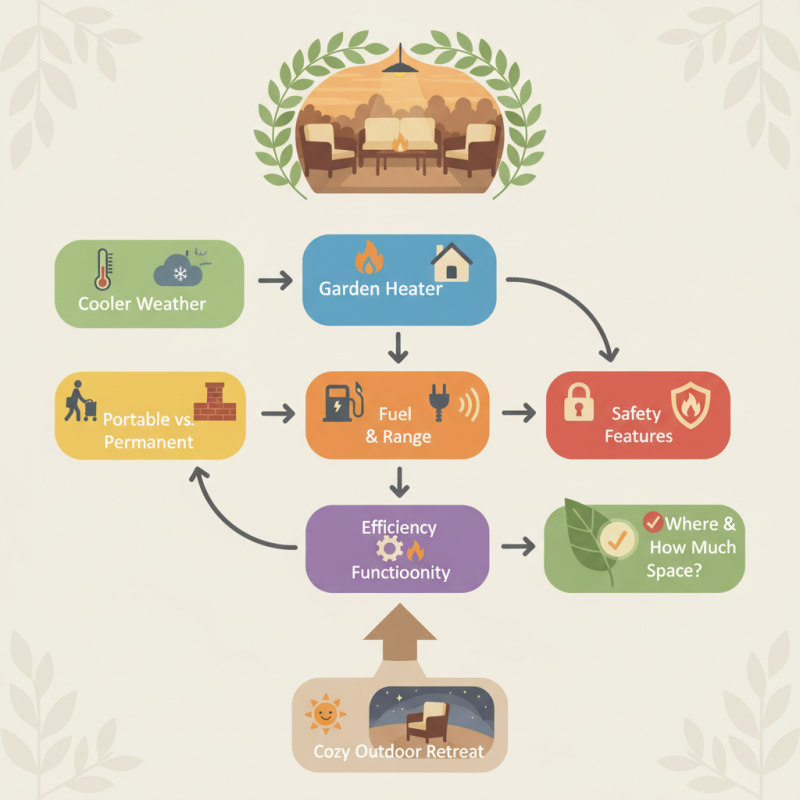
Creating a comfortable outdoor space can be challenging, especially in cooler weather. A garden heater can transform your patio or garden into a cozy retreat. Choosing the right garden heater is crucial for maximizing warmth and ensuring usability.
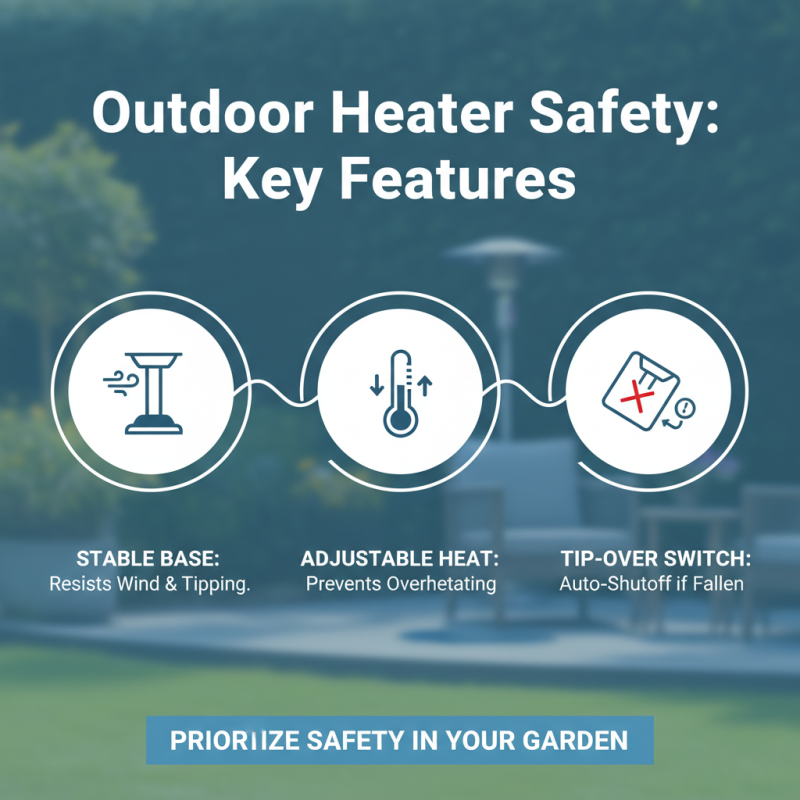
There are various types of garden heaters available, each with unique features. Some are portable, while others offer more permanent solutions. Knowing your requirements, such as the heater’s range and fuel type, will guide your decision. It’s also essential to consider safety features.
Many buyers overlook the importance of efficiency. A heater might look attractive but fail to provide adequate warmth. Balancing aesthetics with functionality is vital. When selecting a garden heater, think about where you plan to use it and how much space you need to heat effectively. This thoughtful approach ensures you invest in a reliable and effective solution for your outdoor space.
Understanding Different Types of Garden Heaters: Pros and Cons
When selecting a garden heater, understanding different types is crucial. Common options include electric, gas, and infrared heaters. Each type has unique pros and cons that can influence your decision.
Electric heaters are popular for their ease of use and low maintenance. They offer quieter operation and can be used indoors or outdoors without worrying about emissions. However, they may lack the heating power needed for larger spaces. A report by the Outdoor Heating Association highlights that only 30% of outdoor spaces can be adequately warmed by electric units. This limitation can affect comfort during chilly evenings.
Gas heaters, on the other hand, provide significant heating capacity. They are ideal for larger areas and can operate without electricity. A study from the National Home Improvement Association states that gas heaters can increase outdoor comfort levels by up to 70%. Yet, they require proper ventilation and come with risks if not maintained properly. This trade-off is something homeowners should consider carefully. Infrared heaters provide directional warmth, making them efficient for focused areas. However, their cost can be higher, and they may not heat the surrounding air effectively.
Evaluating Heating Capacity: BTUs and Their Importance for Outdoor Spaces
When selecting a garden heater, understanding its heating capacity is paramount. This is typically measured in BTUs (British Thermal Units). For outdoor spaces, you’ll often require heaters with a range of 30,000 to 50,000 BTUs. These figures provide a baseline for effective heating. Research shows that an average patio requires around 10 BTUs per square foot. This means, for a 200-square-foot area, you might need a heater that delivers at least 2,000 BTUs.
It is essential to assess the layout of your outdoor area. Wind can disperse heat quickly, and that affects efficiency. An open patio may need a stronger heater compared to a sheltered area. Industry studies indicate that wind can reduce perceived temperature by as much as 10°F. Always consider potential obstacles like furniture that can block heat flow.
**Tips:** Position your heater away from any wind barriers to maintain heat levels. Shade created by trees can lower temperature readings significantly. Consult expert reports on heating devices to enhance your decision-making process. Relying solely on reviews may lead to misjudgment. Prioritize analyzing specifications rather than just looks or price.
Heating Capacity Comparison of Common Outdoor Heaters
This chart compares the heating capacities of various types of outdoor heaters, measured in British Thermal Units (BTUs). Understanding the BTUs is crucial for selecting the appropriate heater for your outdoor space, ensuring optimal warmth and comfort.
Assessing Fuel Sources: Electric, Gas, and Wood Heaters Compared
Choosing the right garden heater involves understanding various fuel sources. Electric, gas, and wood heaters each have unique advantages and drawbacks. Electric heaters are typically easy to use and require minimal maintenance. They provide consistent warmth and are usually safer in terms of fire hazards. However, they might not be the most efficient option for larger outdoor spaces.
Gas heaters often offer more powerful heating. They can quickly warm up a large area in a short time. The downside is that they require proper ventilation and may need more upkeep. Be mindful of gas line installations. If not done properly, this could lead to safety risks.
Wood heaters create a cozy atmosphere. They provide intense heat and can be more appealing for gatherings. Yet, they require regular cleaning and produce smoke, which may not suit everyone's preferences. Consider how often you plan to use the heater.
Tips: Assess your space carefully. Look for the size and layout. Ensure the heater fits well within your outdoor area. Check local regulations regarding heater types. Some regions have restrictions on wood burning. Your ideal choice must balance warmth, safety, and convenience.
How to Choose the Best Garden Heater for Your Outdoor Space?
| Fuel Source |
Heating Capacity (BTU) |
Operating Cost (per hour) |
Environmental Impact |
Suitability for Outdoor Space |
| Electric |
1,500 |
$0.15 |
Low |
Excellent for small patios |
| Gas |
40,000 |
$0.40 |
Moderate |
Good for large areas |
| Wood |
20,000 |
$0.30 |
High |
Great ambiance, suitable for open spaces |
Budgeting for Your Garden Heater: Initial Costs vs. Long-term Expenses
When budgeting for a garden heater, consider initial costs alongside long-term expenses. The upfront investment can vary significantly. Some heaters are more affordable, while others might seem costly. It is crucial to assess their efficiency. A cheaper heater might consume more energy over time. This can lead to higher utility bills, negating initial savings.
Think of the type of fuel the heater uses. Gas models may have lower installation costs. However, they can create ongoing fuel expenses. Electric heaters might require more upfront costs but typically have lower operational costs. This balance between installation and maintenance is essential for effective budgeting.
Don't forget the maintenance aspect. Some heaters need regular servicing. This can add to your yearly expenses. Weigh those potential costs against the heater's longevity. While you may want to save at first, selecting a reliable heater can prevent future headaches. Reflect on what works best for both your budget and your outdoor enjoyment. A carefully calculated decision can lead to a comfortable, warm garden space for years to come.