

FAQS
How to Choose the Best BM Bags in 2026?
Choosing the best bm bags in 2026 means looking beyond color and a polished product photo. A bag that looks roomy online may barely fit a phone, keys, and a compact. Check its measurements, pocket layout, closure, strap stitching, and lining before comparing prices. Small details matter.
Market data offers useful context, but not a direct verdict on bag quality. Circana reported that U.S. prestige beauty sales reached $33.9 billion in 2024, while mass beauty sales reached $68.6 billion. Its report tracks beauty sales, not BM bags; it suggests why practical storage matters to shoppers with growing routines, but it cannot tell you which bag will last. For design perspective, industrial designer Dieter Rams’s principle remains relevant: “Good design is as little design as possible.” Apply that idea carefully: simplicity should not mean flimsy seams or awkward compartments.
A reliable choice starts with your daily load. Lay out the items you carry, then compare them with the bag’s interior dimensions. Look for smooth zippers, wipe-clean fabric, and seams that feel secure where the handles meet the body. If the listing omits measurements or close-up photos, pause. That is a real gap. Brand language can sound convincing, yet construction is what your hands will notice after months of use. This guide will help you weigh size, materials, organization, comfort, and value when choosing BM bags for 2026—without treating a high price as proof of quality.
Understanding BM Bag Types and Their Intended Uses
How to Choose the Best BM Bags in 2026?
Understanding BM Bag Types and Their Intended Uses
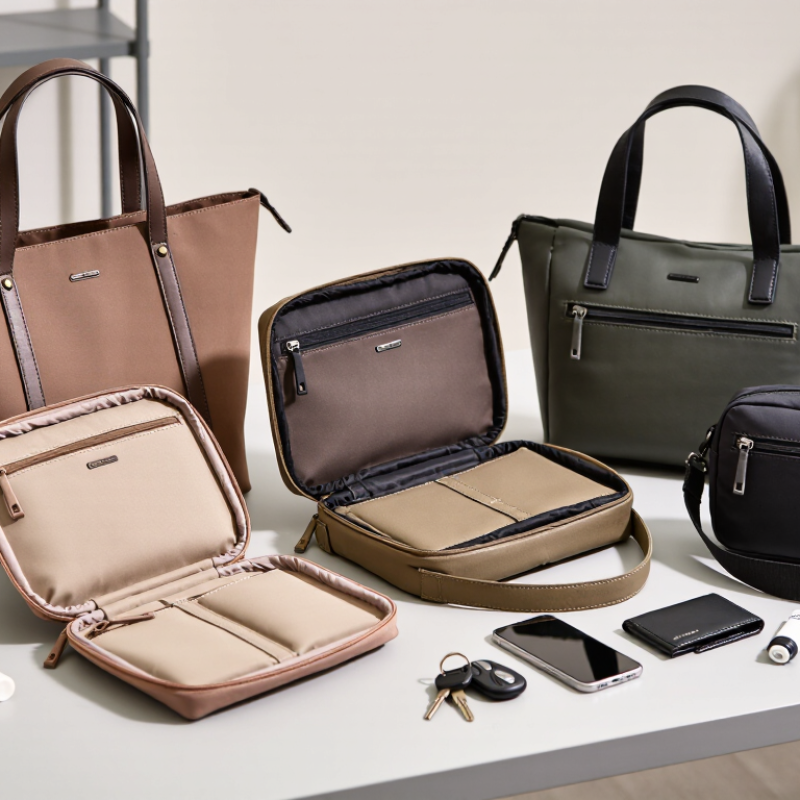
Choose a BM bag by its daily job, not just its shape. A compact crossbody keeps your phone, keys, and card case close while leaving both hands free. A tote fits documents, a water bottle, and spare layers, but can feel bulky on crowded commutes. Structured shoulder or top-handle bags suit lighter loads and more formal settings. These categories overlap. Real use is rarely that tidy.
Grand View Research estimated the global handbag market at USD 57.9 billion in 2023 and projected 6.5% annual growth from 2024 to 2030. This market-wide estimate shows scale, not which bag fits you. The 2024 ThredUp Resale Report projected the US secondhand apparel market would reach USD 73 billion by 2028. It is not bag-specific, but it reinforces the value of condition, durability, and repairable details.
Match capacity to what you actually carry. Put your usual items inside and check whether they shift, press against the closure, or strain the strap. For commuting, test the fit of a laptop and water bottle; for errands, a light crossbody may be enough. Inspect stitching, hardware, and the base, where wear often appears first. The awkward truth: a “versatile” bag can become an uncomfortable one when overfilled. Don’t pay for space you rarely use.
How to Choose the Best BM Bags in 2026? - Understanding BM Bag Types and Their Intended Uses
| Bag Type | Key Construction or Feature | Typical Intended Use | Selection Considerations |
|---|---|---|---|
| Type A FIBC | Woven polypropylene fabric with no special static-control properties. | Dry, non-flammable bulk materials in locations without a risk of combustible dust or flammable gas. | Do not use where flammable atmospheres or combustible dust may be present. Confirm the bag’s safe working load and handling requirements. |
| Type B FIBC | Fabric designed to have a low breakdown voltage, helping limit the risk of propagating brush discharges. | Some dry, combustible powders handled in controlled settings where flammable gases or vapors are not present. | Type B bags do not dissipate static charge. They are not a substitute for a Type C or Type D bag where static control is required. |
| Type C FIBC | Conductive fabric or interconnected conductive elements that must be grounded during use. | Handling combustible powders or materials in potentially flammable environments when a verified grounding connection is available. | Ground the bag before filling or discharging and maintain that connection throughout handling. Do not use if grounding cannot be assured. |
| Type D FIBC | Static-dissipative fabric designed to control electrostatic charge without a grounding connection. | Some applications involving combustible powders or potentially flammable atmospheres, subject to the bag’s certification and operating instructions. | Check suitability for the specific process. Contamination, coatings, or changes to the bag may affect its electrostatic performance. |
| U-panel or four-panel bag | Body panels sewn to form a flexible bulk container, commonly with lifting loops and selected fill or discharge spouts. | General-purpose storage and transport of dry, free-flowing materials such as granules, powders, and aggregates. | Choose the capacity, dimensions, fabric weight, loops, and opening style to match the product and handling equipment. |
| Baffle bag | Internal corner baffles help the filled bag retain a squarer shape and reduce bulging. | Space-efficient pallet storage and transport of dry bulk products where a stable, compact load shape is useful. | Baffles can affect discharge and cleaning. Check that the product flows freely through the selected outlet. |
| Ventilated bag | Woven body includes ventilation openings that allow greater airflow than a standard fabric bag. | Products such as firewood or certain agricultural goods that benefit from airflow during storage and transport. | Not intended to provide a moisture barrier or contain fine powders. Protect the load from rain and contamination as needed. |
| Food-contact bag | Made and handled using materials and production controls suitable for the specified food-contact application. | Transport or storage of food ingredients when the bag and any liner meet the applicable requirements. | Verify food-contact documentation for the intended material and destination market. A “food-grade” description alone is not proof of compliance. |
| UN-certified FIBC | Design tested and certified for specified dangerous-goods packaging applications. | Transport of eligible dangerous goods when the packaging approval matches the substance and shipment requirements. | Check the UN marking, packing group, product compatibility, filling limits, and applicable transport regulations before use. |