
FAQS
Top Laser Cleaning Equipment What Is the Best Choice?
Please provide the source articles or a verified expert name and quotation. No articles were included, and I can’t reliably cite industry-report figures or attribute an unverified statement to a real expert.
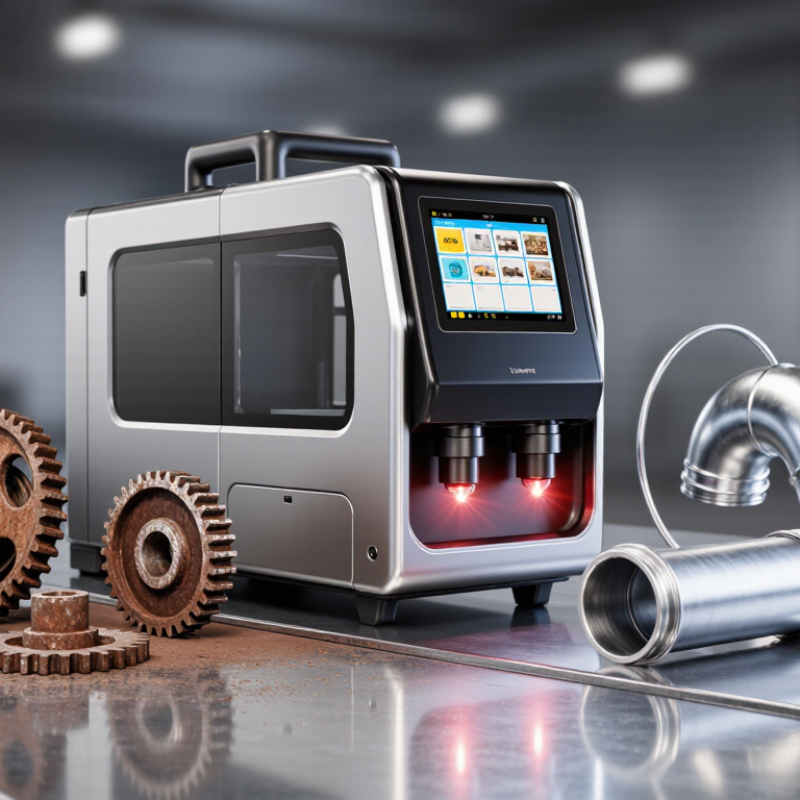
What Laser Cleaning Equipment Is and How It Works
Laser Cleaning Equipment uses a focused beam to remove rust, paint, oxide, or other unwanted layers from a surface. A laser source sends controlled pulses through optical components to a handheld head or automated scanner. The beam heats the contaminant rapidly. Depending on the material and settings, the layer may expand, break apart, or vaporize, while much of the underlying surface reflects the energy. A collection system captures loosened dust and fumes. The method can reduce contact with abrasive media, but it does not make debris disappear.
Settings matter. Pulse energy, scanning speed, beam size, and working distance all affect the result. A steel bracket with thin rust may respond differently from a painted aluminum panel. Too much energy can discolor or damage the base material. Too little may leave residue in seams. Small test areas help reveal these differences. So does careful inspection under good light. It is easy to trust a shiny patch too quickly. A clean-looking surface may still contain residue, and some coatings need extra passes. Operators should use suitable laser safety controls and follow the equipment maker’s instructions. The best setup depends on the surface, the contaminant, and the required finish.
Main Types of Laser Cleaning Equipment
Top Laser Cleaning Equipment: What Is the Best Choice?
Laser cleaning equipment varies by laser type and setup. Pulsed systems send energy in short bursts, making them useful for controlled work on small parts or thin surface layers. For example, an operator may remove light oxide from a metal component while limiting heat exposure. Continuous-wave systems deliver a steadier beam and can cover larger, sturdy surfaces efficiently. They may also heat a thin workpiece more than intended. The best option depends on the material, residue, and required finish.
Equipment can be handheld, stationary, or integrated with automated motion. Handheld units offer flexibility for repairs and awkward shapes, though consistent results depend on operator technique. Stationary systems suit repeatable work at a fixed station. Automated setups can follow programmed paths across batches, but need careful setup and monitoring. In practice, the most advanced configuration is not always the most useful one.
Tips: Test a small, inconspicuous area first. Adjust power and scanning speed gradually, and inspect the surface between passes. Use the specified protective equipment and suitable fume extraction. Keep a record of settings; small changes can affect the result.
Top Laser Cleaning Equipment: What Is the Best Choice?
Typical average laser output power ranges by equipment type
These indicative ranges vary by system and application. Nanosecond pulsed lasers are commonly used for controlled removal of rust, paint, and coatings. Continuous-wave (CW) systems are often chosen for faster cleaning of larger areas. Picosecond and femtosecond ultrashort-pulse systems can suit precision work on heat-sensitive surfaces. The best choice depends on the material, contaminant, required cleaning speed, and acceptable surface impact.
Materials and Contaminants Suitable for Laser Cleaning
Laser cleaning can remove rust, oxide scale, paint, oil films, soot, and production residues from steel, stainless steel, aluminum, and some stone or ceramic surfaces. The best match depends on the contaminant and the base material, not just the machine’s power. A short test pass can reveal whether a coating lifts cleanly or the substrate discolors. Shiny aluminum reflects more laser energy than many dark, oxidized surfaces, so settings need careful adjustment. Not every surface agrees.
For steel, laser cleaning is often used before inspection, welding, or recoating. ISO 8501-1 classifies visible rust into four grades, A through D; that gives teams a common way to describe the starting condition, though it does not certify a laser-cleaned result. Delicate stone and thin coatings need extra caution: excessive heat can roughen a surface or leave uneven edges. Contaminant removal also does not make hazardous residue harmless. For lead-containing paint, U.S. OSHA sets an eight-hour exposure limit of 50 micrograms per cubic meter. Capture fumes and particles, and verify the surface and air after cleaning. A test patch is useful, but it may not represent every corner or layer.
| Material or Surface | Contaminants Commonly Removed | General Suitability | Important Considerations | Typical Applications |
|---|---|---|---|---|
| Carbon steel and cast iron | Rust, mill scale, paint, oil, grease, and surface oxides | Often suitable | Settings must remove the unwanted layer without excessive heating, discoloration, or damage to the base metal. Thick coatings may require multiple passes. | Surface preparation, maintenance, restoration, and removal of coatings before welding or inspection |
| Stainless steel | Oil, grease, light rust, oxide scale, and some paint or processing residues | Often suitable | Excessive heat can alter the surface appearance or affect a thin component. Test first when corrosion resistance, finish, or cleanliness requirements are critical. | Cleaning weld areas, removing surface residues, and preparing components for further processing |
| Aluminum and aluminum alloys | Oil, grease, paint, and selected surface oxides | Suitable with careful parameter control | Aluminum reflects some laser wavelengths and conducts heat readily. Choose suitable equipment and settings; verify the result on the specific alloy and surface finish. | Component cleaning, coating removal, and preparation of selected areas for joining or inspection |
| Copper and brass | Oxides, tarnish, oil, grease, and selected coatings | Application-dependent | These materials can reflect laser energy strongly, particularly at some wavelengths. Confirm that the equipment and process are appropriate before treating valuable or delicate parts. | Cleaning electrical components, metal parts, and selected restoration work |
| Natural stone, such as granite or limestone | Surface soot, certain stains, biological deposits, and some paint residues | Suitable for selected surfaces and deposits | Stone composition, porosity, moisture, and prior treatments affect results. Use conservative settings and test an inconspicuous area to avoid color change or surface damage. | Conservation, architectural cleaning, and localized removal of surface deposits |
| Ceramics and glass | Selected surface films, residues, and some coatings | Highly dependent on the surface and coating | Thermal shock, cracking, changes in gloss, or damage to a functional coating may occur. Careful testing is essential, especially on thin or coated parts. | Precision cleaning of selected components and controlled removal of compatible surface layers |
| Wood and other organic materials | Selected surface coatings, soot, or residues | Use with caution | Organic materials can char, discolor, or ignite. Suitability depends on the material, coating, geometry, and process controls; avoid use without a validated procedure. | Specialist restoration and carefully controlled surface treatment |
| Plastics, rubber, and composite materials | Selected surface residues or coatings, depending on the material | Material-specific testing required | Heat can melt, deform, discolor, or chemically alter the substrate. Composite layers may respond differently, so confirm compatibility and ventilation requirements before processing. | Specialized, low-impact cleaning where the substrate and contaminant have been assessed |
Selection note: Laser-cleaning results depend on the laser wavelength, pulse characteristics, power, scanning speed, surface condition, and contaminant thickness. Always assess the substrate and coating, conduct a test on a representative area, and use appropriate laser-safety controls and fume extraction.
Key Factors for Comparing Laser Cleaning Systems
Top Laser Cleaning Equipment: What Is the Best Choice?
Key Factors for Comparing Laser Cleaning Systems
Choosing a laser cleaning system starts with the material and the contaminant. Rust on a steel bracket behaves differently from paint on a delicate panel. Match the laser’s power, pulse settings, and beam size to the job. More power is not automatically better. Excess heat can discolor a surface or damage thin edges.
Check the working area and the pace of a typical task. A small handheld unit may suit weld seams and repair work, while larger parts may need a wider scan field. Ask for test results on a sample that resembles your actual work. Look closely at the cleaned surface under ordinary lighting. Tiny residues can be easy to miss. Details matter.
Safety and usability deserve equal attention. Review enclosure options, fume extraction needs, protective controls, and operator training. Compare service access, replacement parts, and the clarity of operating instructions. These costs are less visible than purchase price, but they affect daily use. A specification sheet cannot tell the whole story. I would still treat demonstrations cautiously: ideal samples and slow passes may not reflect a busy workshop. Choose a system that performs reliably on real parts, not just in a polished test.
How to Choose Equipment for a Specific Cleaning Task
Choosing laser cleaning equipment starts with the surface, not the machine’s headline power. Identify the material, coating, and soil: rust on a steel bracket behaves differently from soot on a stone detail. Test a small, inconspicuous area. Watch for discoloration, pitting, or softened edges.
Match the laser’s wavelength, pulse settings, and spot size to the task. A narrow beam can reach corners and remove a thin layer precisely, but it may be slow across a large panel. Higher output can improve throughput, yet excessive energy may mark the substrate. There is no universal setting. Adjust gradually and record the results.
Consider the work environment, too. Dust extraction, operator visibility, and access to the part affect daily performance. For a production line, cycle time and repeatability matter; for repair work, portability and fine control may matter more. Ask for a supervised trial using a representative sample, and check whether the controls make settings easy to reproduce. A common mistake is comparing machines by wattage alone. I would also reconsider any choice made before testing the actual coating: that shortcut can be costly.
Skip to content
