

FAQS
How to Choose the Best Lash Furniture for Your Salon?
Choosing the right Lash Furniture can shape a salon’s daily rhythm, client comfort, and service quality. A treatment bed may look elegant in a product photo yet feel too narrow during a long appointment. A stool that rolls smoothly on tile may catch on a thick rug. Small details matter. Before comparing styles, consider your room dimensions, service menu, and the way technicians move between clients. Measure doorways, treatment areas, and storage space. Check whether beds adjust easily and whether upholstery can be cleaned according to the manufacturer’s instructions.
Comfort should work for both people in the room. Adjustable height, stable bases, supportive cushions, and well-positioned task lighting can help technicians maintain a practical working posture. Clients may notice quieter adjustments, soft head support, and a place to set personal items. Nice touches. Still, no single setup suits every salon. A compact studio may need foldable or multifunctional pieces, while a busy team may benefit from durable furniture with easy-to-access storage. Ask suppliers for dimensions, weight limits, care guidance, and warranty details. If possible, test a chair or bed before ordering several. It is easy to overvalue appearance. I have seen thoughtful layouts become awkward when drawers block a trolley or a lamp cannot reach the lash line. This guide explores how to compare Lash Furniture for fit, function, durability, and value, so your choices support real appointments—not just a showroom display.
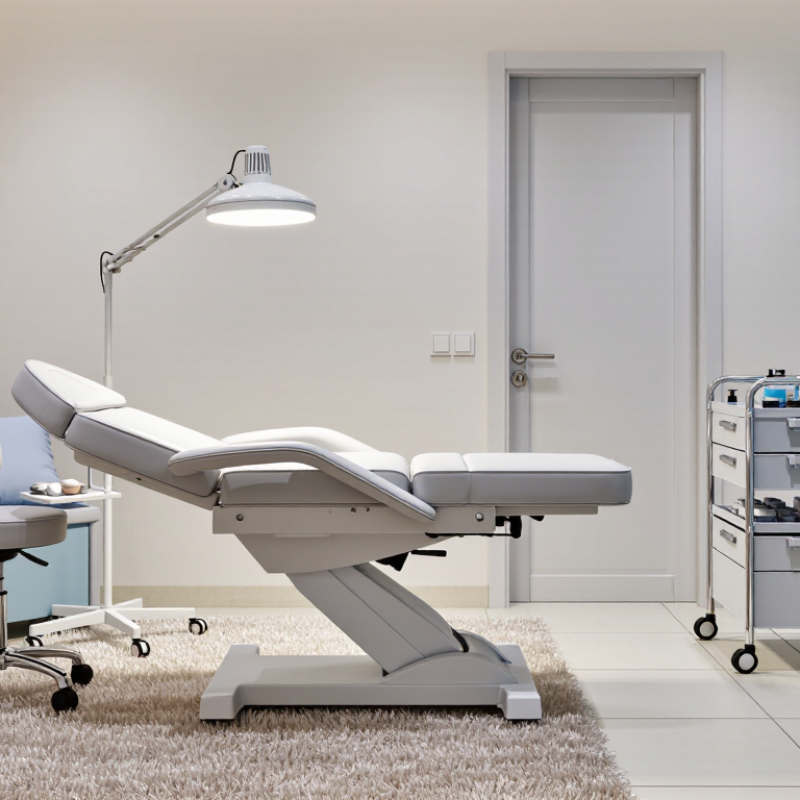
Define Lash Services, Client Needs, and Required Furniture Functions
How to Choose the Best Lash Furniture for Your Salon?
Define your services before buying furniture. Classic extensions require steady access to one eye at a time; volume sets need precise hand positioning and longer appointments. Lash lifts and tints may call for a different headrest height and easy-to-clean work surface. Grand View Research estimated the global eyelash extension market at USD 1.6 billion in 2023, with projected annual growth of 6.2% from 2024 to 2030. That growth suggests demand, not a guaranteed fit for every salon. Ask clients about neck sensitivity, mobility, and preferred appointment length. Small details matter.
Match each piece to the service and the person receiving it. A height-adjustable bed can help technicians maintain a workable posture, while a supportive cushion reduces pressure during long sessions. Check whether the bed stays stable when raised, and whether its surface cleans easily between clients. A rolling stool, focused task light, and nearby trolley can reduce awkward reaching. Measure the room with drawers open; I once underestimated that clearance, and the trolley blocked a walkway. Not ideal.
Tips: Trial the setup with a staff member before purchase. Set the bed, lamp, and trolley as if a client were present. Confirm that the technician can reach both eyes without twisting, and that clients can get on and off comfortably. Comfort is not one-size-fits-all. Keep a short checklist of service time, client feedback, and any posture issues after the first few weeks. That record may reveal a mismatch you missed during the showroom test.
How to Choose the Best Lash Furniture for Your Salon? — Define Lash Services, Client Needs, and Required Furniture Functions
| Lash Service | Typical Client Needs | Recommended Furniture | Useful Functions and Features | Selection Considerations |
|---|---|---|---|---|
| Classic extensions | A stable, comfortable position during a detailed service that may take one to two hours or longer. | Adjustable lash bed or treatment table; ergonomic technician stool. | Adjustable height or backrest, supportive cushioning, wipeable upholstery, and a stool that rolls smoothly. | Check the bed’s working-height range, weight capacity, stability, and whether the client can get on and off comfortably. |
| Volume and mega-volume extensions | Extended time lying still, with the head and neck supported while the technician works precisely. | Cushioned treatment bed, adjustable stool, and compact supply trolley. | Headrest or face cradle, easy-to-reach storage, smooth height adjustment, and surfaces that can be cleaned between clients. | Prioritize technician posture and reachable supplies; avoid placing frequently used tools where the technician must repeatedly twist or stretch. |
| Lash lift and tint | A relaxed reclined position and a clear view of the eye area during a shorter service. | Reclining treatment chair or adjustable bed; rolling stool. | Recline adjustment, stable arm supports, cleanable upholstery, and a stool that allows close access to the client’s face. | Choose a setup that lets the technician work without leaning over the client and that can be reset efficiently between appointments. |
| Consultation and patch test | A comfortable seated conversation, privacy, and a convenient place for forms or service information. | Two client chairs, a small consultation table, and a secure storage cabinet. | Comfortable seats, easy-to-clean surfaces, accessible paperwork storage, and sufficient space for clear conversation. | Keep consultation seating separate from treatment surfaces and provide enough room for clients with different mobility needs. |
| Multiple services in one room | A consistent, tidy experience with furniture that supports different treatments and room layouts. | Multi-adjustable treatment bed, mobile trolley, and adjustable technician stool. | Locking casters, adjustable components, durable wipeable finishes, and compact storage. | Measure doorways and room clearance before purchase; confirm moving furniture will not block exits or work pathways. |
| Small or shared treatment room | Clear movement paths, quick setup, and storage that does not take up unnecessary floor space. | Narrow treatment bed, slim rolling trolley, and wall-mounted or vertical storage. | Compact footprint, locking wheels where appropriate, organized drawers, and surfaces suited to routine cleaning. | Plan the layout with the bed in use, not just when folded or empty; preserve practical access around the client and equipment. |
Note: Service duration varies by technique, appointment plan, and individual client. Confirm furniture dimensions, load limits, cleaning instructions, and adjustment mechanisms with the product specifications before purchase.