How to Choose the Best Natural Gas Patio Heater for Your Needs?
Choosing the right natural gas patio heater can significantly enhance your outdoor experience. This decision is not just about warmth; it also impacts comfort, style, and functionality. A well-chosen heater can turn a chilly evening into a cozy gathering.
Understanding your unique needs is vital. You’ll encounter various options on the market, each with strengths. Some provide more heat but consume more gas, while others are efficient but may lack power. This balance can be tricky as you weigh your ideal features against budget constraints.
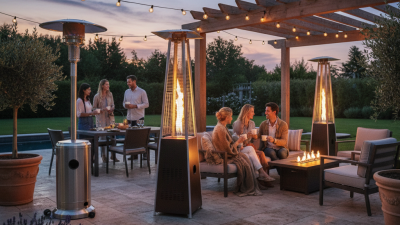
It's essential to consider the space where you'll use your heater. Not all models work equally well in every environment. Reflect on the atmosphere you wish to create. A natural gas patio heater can be a practical appliance but also a design statement. Thus, acknowledging these facets will guide you to make a more informed choice.
Understanding Different Types of Natural Gas Patio Heaters
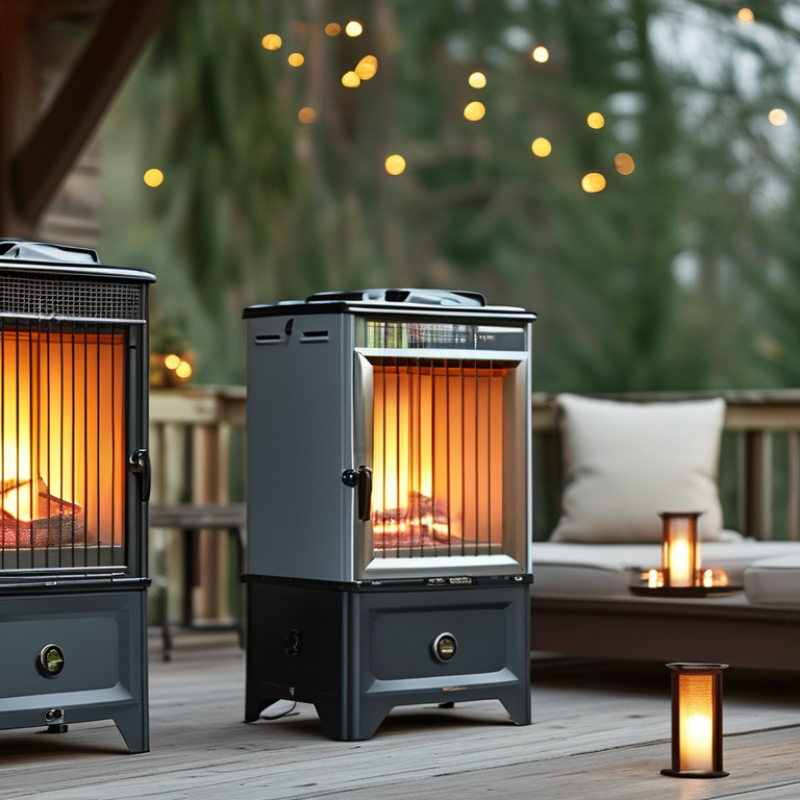
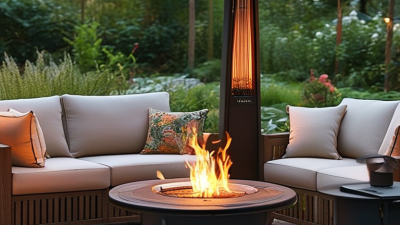
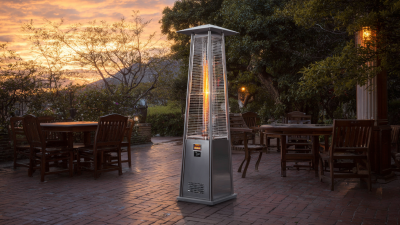
When it comes to choosing a natural gas patio heater, understanding the different types available is crucial. There are primarily three designs: freestanding, tabletop, and wall-mounted. Freestanding models are popular for their versatility. They can heat larger areas efficiently, with average outputs ranging from 40,000 to 50,000 BTUs. This high output makes them suitable for gatherings. However, they can take up space on patios.
Tabletop options provide a compact solution. They are ideal for small spaces. With an average output around 20,000 BTUs, they offer sufficient heat for intimate settings. The convenience of portability with these models allows users to easily rearrange. On the other hand, wall-mounted heaters save floor space, making them an excellent choice for tight environments. They generally heat a smaller area effectively, resulting in less overall gas consumption.
It's important to consider the specific needs of your patio area. Reports indicate that a well-placed heater can increase outdoor use by up to 30%. However, purchasing a patio heater without knowing your space can lead to disappointment. Some users may find that the heat output isn't sufficient. Research shows that it's best to match heater strength to the patio size. This ensures comfort and efficiency. Ultimately, assessing these various types will lead to better decisions.
Key Features to Consider When Selecting a Patio Heater
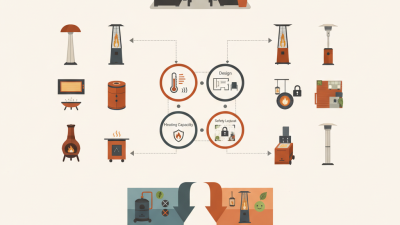
Choosing the right natural gas patio heater is essential for comfortable outdoor gatherings. Key features play a crucial role in your decision-making process. Consider the heater's output capacity, typically measured in BTUs. Higher BTUs provide more heat, making your patio enjoyable in cooler weather. A unit that ranges between 30,000 and 50,000 BTUs often suffices for average-sized patios.
Next, examine the design and portability. Some heaters are stationary, while others come with wheels for easy movement. Think about where you’ll place it. If you want to relocate it often, a lighter model may suit you better. Also, check for safety features. A sturdy base and automatic shut-off function can prevent accidents. Look for models that are durable and weather-resistant to ensure longevity.
Don’t forget about fuel efficiency. Efficient models reduce fuel costs over time. However, they might have a higher initial price tag. Be honest about your heating needs. Sometimes, you may realize that a smaller unit could work just as well. Reflect on what’s most important to you—heat output, design, safety, or efficiency. Balancing these considerations will guide you toward the best choice for your patio warmth.
Evaluating Heat Output and Coverage Area for Your Space
When selecting the best natural gas patio heater, understanding heat output and coverage area is vital. Most patio heaters generate between 30,000 to 50,000 BTUs (British Thermal Units). Generally, a heater with 40,000 BTUs can warm a space of about 200 square feet effectively. It's crucial to assess the size of your patio or outdoor area. Larger spaces may require multiple heaters or a model with higher BTU ratings.
Consider the heater’s design and flame structure. Some designs distribute heat evenly, while others focus heat in one area. A report from the American Society of Heating, Refrigerating and Air-Conditioning Engineers (ASHRAE) states that even heat distribution increases comfort and usability. Pay attention to wind factors; strong gusts can diminish heat efficiency.
Tips: Position your heater in a sheltered corner to maximize its impact. Regular maintenance ensures optimal performance. Watch for rust or wear in your heater, as this can affect heat output. Regularly check for leaks to maintain safety and efficiency. Always consult reliable guides for installation advice to avoid potential hazards.
Heat Output and Coverage Area of Natural Gas Patio Heaters
This chart illustrates the heat output measured in BTUs (British Thermal Units) and the coverage area in square feet for different models of natural gas patio heaters. This comparison can assist consumers in selecting the best heater based on their space requirements and heating efficiency.
Safety Considerations for Using Natural Gas Patio Heaters
When using natural gas patio heaters, safety is crucial. These heaters produce heat effectively but can pose risks if not managed properly. Always check for leaks before use. A small leak can lead to significant hazards. If you smell gas, turn off the heater and ventilate the area immediately.
Proper ventilation is essential. These heaters should be used outdoors only. Never use them in enclosed spaces. Inadequate ventilation can lead to carbon monoxide buildup. This gas is colorless and odorless but can be deadly. Make sure your patio area has sufficient airflow.
Tip: Install a carbon monoxide detector in the nearby area. It adds an extra layer of safety. Regularly inspect your heater. Look for any signs of damage or wear. If anything seems off, consult a professional. Minor issues can lead to major safety concerns.
Always keep your heater clean. Dust and debris can affect performance and safety. Ensure that the gas line is free from obstructions. Using safe practices makes outdoor gatherings enjoyable and secure.
Budgeting: Cost Factors and Maintenance for Patio Heating Options
When considering a natural gas patio heater, budgeting is crucial. The average initial investment for a quality unit ranges from $200 to $600. However, costs can escalate based on features like output heat levels and design. For example, models with built-in safety features tend to be higher priced but offer greater peace of mind. While a higher purchase price may seem daunting, it’s essential to consider the longevity of the heater.
Maintenance costs also play a significant role in budgeting. Regular servicing, including cleaning and inspections, can range between $50 to $150 annually. Industry data suggests that poorly maintained heaters operate less efficiently, potentially increasing gas bills by up to 30%. Choosing a model that is easier to maintain can reduce these costs.
Another factor is the cost of gas usage. Research shows that natural gas prices can fluctuate significantly. Homeowners should estimate their average use, as this will impact overall heating costs. A heater's efficiency rating can affect gas usage as well. Units with higher BTU output can heat larger areas but may consume more gas. Thus, understanding your heating needs is vital to avoid unexpected expenses.
How to Choose the Best Natural Gas Patio Heater for Your Needs? - Budgeting: Cost Factors and Maintenance for Patio Heating Options
| Feature |
Option 1 |
Option 2 |
Option 3 |
| Heating Area (sq ft) |
100 - 150 |
150 - 200 |
200 - 300 |
| Heat Output (BTU) |
30,000 |
40,000 |
50,000 |
| Fuel Consumption (lbs/hr) |
1.0 |
1.5 |
2.0 |
| Price Range ($) |
150 - 250 |
250 - 350 |
350 - 500 |
| Maintenance Frequency (months) |
6 |
12 |
18 |
| Warranty Period (years) |
1 |
2 |
3 |