How to Choose the Best Porch Heaters for Any Climate?
How to Choose the Best Porch Heaters for Any Climate
A comfortable porch should feel warm, not crowded by equipment or clouded by fumes. Choosing effective porch heaters requires more than comparing wattage or purchase prices. Your local temperature, wind exposure, humidity, porch size, and available power all matter. A sheltered balcony in Seattle needs different heating than an open patio in Minnesota. Even small details matter, such as ceiling height, furniture placement, and the direction of evening breezes.
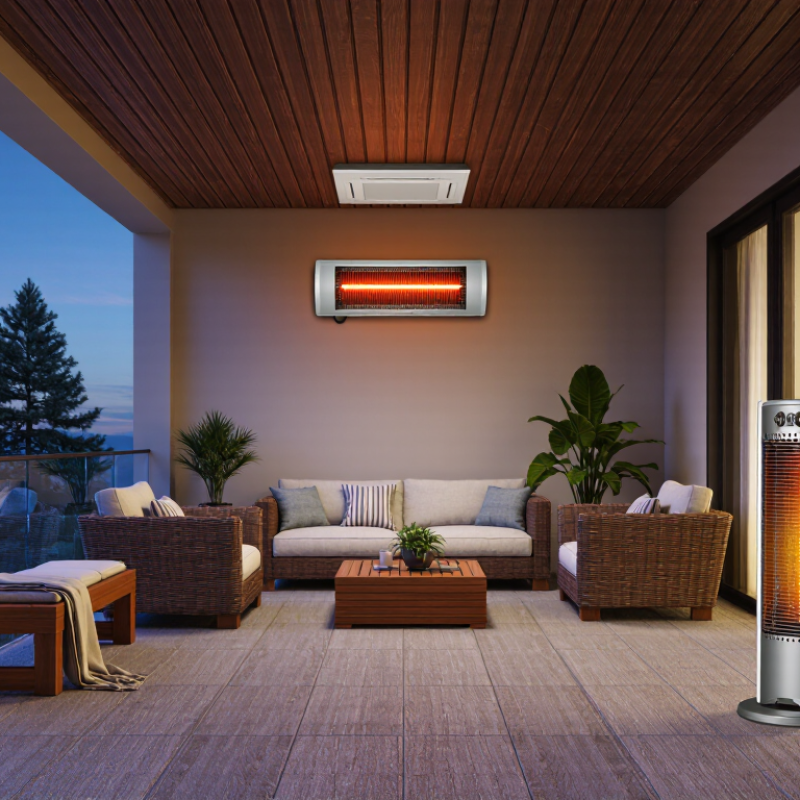
Electric infrared heaters often suit covered porches because they warm people and surfaces directly. They can feel efficient in breezy conditions, although their warmth may fade outside the beam. Propane models can provide stronger radiant heat for open areas, but fuel storage and ventilation require careful attention. Wall-mounted units save floor space. Freestanding heaters offer flexibility. Neither option fits every home.
Measure the space first.
A reliable choice should match both comfort needs and operating conditions. Look for weather-resistant construction, stable bases, accessible controls, and clear manufacturer guidance. Professional installation may be sensible when wiring, mounting, or gas connections are involved. Product labels should be checked, not assumed.
A common mistake is focusing only on maximum heat output. More power does not always mean better comfort. Sometimes, one well-positioned heater outperforms two poorly placed units. This guide compares heating methods, climate suitability, running costs, and practical safety considerations. It also recognizes an uncomfortable truth: product ratings can look precise, while real porches remain unpredictable. Winds shift. Furniture moves. Your ideal setup may require adjustment after a few cool evenings.
Climate and Exposure Factors That Shape Porch Heater Selection
How to Choose the Best Porch Heaters for Any Climate?
Climate and exposure shape porch heater selection more than advertised wattage. NOAA’s 1991–2020 Climate Normals use 30 years of weather data, helping homeowners compare temperature, rainfall, and wind patterns. A cold, sheltered porch may need less output than a milder, exposed deck. Wind removes warmth quickly. Open railings make this effect stronger.
Start with the porch itself. Measure its floor area and note ceiling height. Check prevailing wind direction, shade, humidity, and driving rain. ASHRAE’s Handbook—HVAC Applications identifies air movement and radiant temperature as key comfort factors. Radiant electric units often feel effective in breezy spaces because they warm people and surfaces directly. Enclosed porches may suit convection-based heating better. That distinction is easy to miss.
Moist coastal climates demand weather-resistant construction and careful electrical protection. Look for an appropriate ingress protection rating, not just a marketing phrase. In snowy regions, mounting height and drainage matter. Gas-fired equipment requires adequate ventilation and safe clearances. The U.S. Department of Energy notes that heat-pump systems can deliver multiple units of heat for each unit of electricity, but outdoor porch models may behave differently in severe cold. I would not size from a mild-weather test alone. Local winter observations can reveal more than a glossy specification sheet.
Heater Types, Fuel Sources, and Their Operating Principles
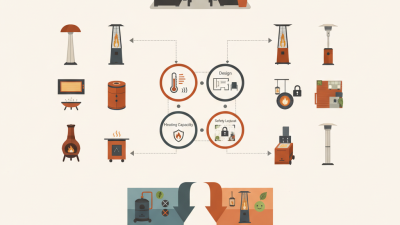
Choosing a porch heater starts with its heat-transfer method, not its advertised output. Electric infrared models warm people and surfaces directly, rather than heating moving air. That principle suits windy porches, where convection loses heat quickly. U.S. Department of Energy guidance describes infrared heating as direct radiant transfer. Electric units also avoid combustion gases, but performance depends on circuit capacity and weather sealing. Check the rating label.
Propane and natural-gas heaters burn fuel to create radiant and convective heat. Propane is portable and useful where no gas line exists. Natural gas can support longer operation, but installation is less flexible. Fuel choice should follow ventilation, clearance, and local requirements. NFPA’s Home Heating Fires report, covering 2016–2020, estimated 44,210 home heating fires annually in the United States. Those fires caused about 480 civilian deaths and 1,370 injuries each year. That figure covers home heating broadly, not porch heaters alone. The distinction matters. Still, flames, cylinders, and nearby cushions deserve serious separation.
In cold, damp climates, compare wind exposure before comparing fuel prices. An infrared heater may feel stronger at shoulder height, while a gas unit can warm a wider zone. Measure the seating area and note prevailing wind. Then verify carbon-monoxide protection, tip-over shutoff, weather rating, and clearance distances. Manufacturer manuals remain more reliable than generic shopping charts. I would test the heater on the coldest evening, not a mild afternoon. Comfort can be misleading. A smaller electric unit may be efficient yet disappointing beyond its radiant pattern.
How to Match Heating Output to Porch Size and Layout
Choosing the best porch heater starts with the space beneath it. Measure the porch floor, ceiling height, and open sides. A 100-square-foot enclosed porch needs far less output than a 100-square-foot deck exposed to wind.
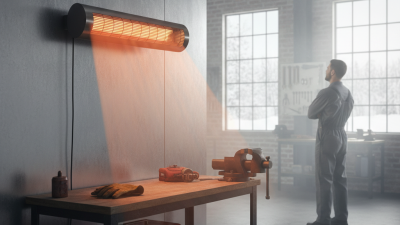
The U.S. Department of Energy explains that radiant heaters warm people and nearby objects directly. This makes them useful outdoors, where heated air escapes quickly. For a small, sheltered porch, one focused heater may cover the seating zone. Larger or L-shaped porches often need two units, aimed across separate areas. Avoid heating empty corners. It wastes energy and creates uneven comfort.
The EIA’s 2020 Residential Energy Consumption Survey found that space heating represented about 42% of household energy use. That figure concerns homes, not porches. Still, it shows why oversizing deserves attention. ASHRAE Standard 55 also stresses comfort factors beyond air temperature, including radiant temperature, air movement, clothing, and activity. A windy porch may feel cold even when a thermometer looks acceptable. I have found that layout can matter more than raw wattage. My first estimate is rarely perfect.
Tips
Sketch the seating area before buying. For exposed porches, prioritize coverage over maximum heat. Keep heaters away from curtains and furniture. Test the lowest practical setting first. A ceiling-mounted unit can reduce trip hazards, but it may feel weak if installed too high. Check the manufacturer’s clearance requirements carefully.
Comparing Costs, Maintenance Needs, and Long-Term Performance
Choosing the best porch heater starts with operating cost, not advertised heat output. The U.S. Department of Energy reports that electric resistance heating converts nearly 100% of its electricity into heat. However, electricity prices vary widely by region. The U.S. Energy Information Administration recorded an average residential electricity price of about 16 cents per kilowatt-hour in 2023. A 1.5-kilowatt heater used for four hours costs roughly 96 cents at that rate. Windy porches may need longer operating times.
Maintenance also changes the long-term calculation. Electric infrared units usually need cleaning and cable inspections. Fuel-burning heaters require burner checks, ventilation awareness, and more frequent servicing. The National Fire Protection Association emphasizes keeping heating equipment away from combustible materials. That guidance matters more on wooden porches. Salt air can corrode metal parts quickly. Moist climates create another problem: water intrusion and unreliable controls.
Tips: Measure the seating area first. Choose focused radiant heat for small zones. For open, windy spaces, compare the heater’s tested coverage, not only its wattage. Keep a simple yearly cost log. It reveals surprises. ASHRAE comfort guidance supports evaluating radiant warmth by occupant comfort, rather than air temperature alone. In practice, that means a lower-power heater placed near chairs may outperform a stronger unit aimed at empty space. I would not ignore purchase price, but I would question it. A cheap heater with fragile switches may cost more after repeated replacements.