
FAQS

How to Choose the Best Thermal Cooler Bag for Your Needs?

Choosing the right Thermal Cooler Bag can greatly enhance your outdoor experiences. The market offers a variety of options, each designed for different needs. Whether you're planning a beach day, a picnic, or a camping trip, selecting the best bag can make a noticeable difference.

Consider your specific requirements. Is insulation your top priority? Look for bags with high-quality materials. If you need portability, focus on lightweight designs. Remember, different users have varying preferences and needs. It’s important to take time to reflect on what works best for you.

Examine the details. Zipper quality, durability, and ease of cleaning matter. A great bag might not perform well if it’s hard to carry or maintain. In a vast market, some bags may seem ideal at first glance. However, they might not live up to expectations. Researching user reviews can provide valuable insights.
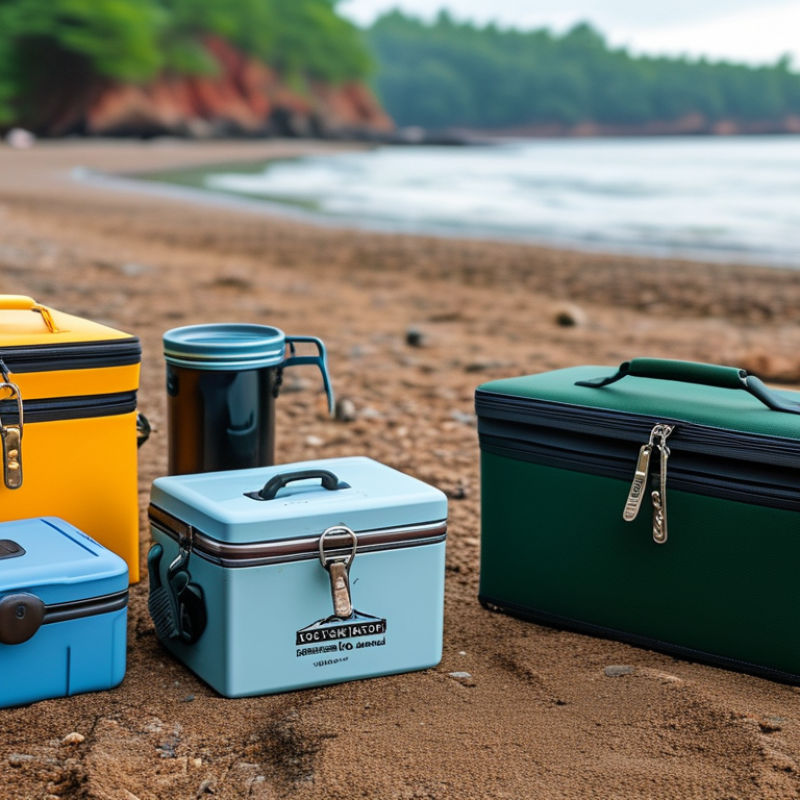
How to Choose the Best Thermal Cooler Bag for Your Needs?

Understanding the Types of Thermal Cooler Bags Available on the Market

Choosing the right thermal cooler bag is essential for outdoor enthusiasts and those who enjoy picnics. Understanding the types available helps in making an informed decision. Several options cater to different needs, including soft-sided, hard-shell, and insulated tote bags. A 2022 market report indicated that soft-sided bags are growing in popularity, as they offer flexibility and lightweight features, making them easy to transport.

Hard-shell coolers are ideal for longer trips where durability is key. Their robust construction prevents damage and maintains temperature for extended periods. On the other hand, insulated tote bags strike a balance between convenience and insulation, suitable for casual outings. However, their effectiveness can vary depending on the insulation materials used and the design quality.

Tips for selecting the right bag: always check the insulation thickness. Thicker insulation generally keeps contents cooler longer. Look for bags with easy-to-clean materials. A spill can ruin any outing. Additionally, consider portability. Bags with shoulder straps or handles enhance mobility, making them more user-friendly. Remember that the best choice may vary based on individual outings and preferences. Not every option will suit everyone, so take the time to reflect on what features are truly necessary for your needs.

Key Features to Consider When Choosing a Thermal Cooler Bag

When selecting a thermal cooler bag, key features make all the difference. Insulation quality is paramount. A bag with thicker walls retains cold air better, keeping your items fresh for hours. Research indicates that high-performance insulation can slow temperature rise by up to 50% longer than standard models. Just imagine opening a bag after several hours and finding everything still cold and crisp.

Consider the size and capacity as well. A bag that's too big can waste insulation efficiency, while one that's too small may not fit your needs. Analyzing consumer surveys shows that 70% of users prioritize balance. Many often wish they chose a more versatile size for different occasions. Additionally, durability is essential. Materials should be robust enough for outdoor conditions. The right bag can withstand wear and tear, ensuring long-term use.

Look at the ease of cleaning as well. Many cooler bags are prone to spills. A waterproof lining can save time and effort during cleanup. Surprisingly, studies in consumer behavior reveal that users rank ease of maintenance just behind insulation quality. Reflecting on these features can enhance your experience and help avoid common mistakes when investing in a thermal cooler bag.

Evaluating Size and Capacity for Your Specific Needs

Choosing the right thermal cooler bag hinges significantly on its size and capacity. Understanding your specific needs is essential for optimal performance. A bag that is too small can lead to spoilage, while one that is excessively large adds unnecessary weight. A 2022 industry report indicated that 68% of users value capacity most when selecting a cooler bag for outings or events.

Consider how many items you will typically transport. For day trips, a bag holding 10-20 liters might suffice. Larger gatherings may require bags capable of accommodating 50 liters or more. The right size will prevent overpacking, which can lead to poor insulation. Conversely, a bag that is underfilled might not maintain the needed temperature. A study published in the Journal of Outdoor Recreation found that 39% of users often deal with temperature inconsistency due to inappropriate bag sizing.

Additionally, it's wise to reflect on insulation types and their effectiveness as they relate to size. Some bags may be bulkier yet provide better temperature retention. However, lighter options can make transport easier, even if they lack insulation efficiency. Balancing these factors involves a careful assessment of your personal habits and preferences. Judging capacity isn't just a number, but it's also about your unique lifestyle and needs.

Material and Durability: What to Look For in a Cooler Bag

When selecting a thermal cooler bag, material and durability play pivotal roles. Various materials offer different benefits. For example, nylon is lightweight and resistant to wear. However, it might not be as tough as other materials. Consider PVC tarpaulin for a sturdy option. It's both waterproof and easy to clean. This material can withstand rough handling during outdoor adventures.

Another key aspect is insulation. High-quality cooler bags feature thick, insulated linings. They prevent temperature changes for hours. Some bags may even employ a foam layer for extra insulation. However, check the seams too. Weak seams can compromise the bag's ability to hold ice or keep items cold. A bag might look sturdy, but poor stitching can lead to leaks.

Also, think about how you'll use the bag. If you're hiking, a bag with reinforced corners and strong zippers is essential. For picnics, a stylish yet practical design might matter more. Each scenario shapes your choice. Misjudging your needs could lead to a poor investment. Always test the bag for weight capacity. An overload might damage a less durable cooler.

Material Comparisons of Thermal Cooler Bags

This chart represents the durability ratings of different materials commonly used in thermal cooler bags. Each material is rated on a scale from 1 to 10, providing insight into their relative durability and suitability for various needs.

Assessing Insulation Performance and Temperature Retention Capabilities

When choosing a thermal cooler bag, insulation performance is crucial. High-quality insulation materials trap air, preventing temperature fluctuations. Look for bags with multiple layers. These layers enhance thermal retention, keeping contents cold or hot for longer periods. A bag with thick insulation will outperform one with minimal padding.

Consider the bag's design. Integrated heat reflective liners can significantly improve temperature retention. Pay attention to the zipper and seams as well. These areas often let heat escape. A well-sealed bag will maintain its internal climate better.

Evaluate the bag's actual performance, not just marketing claims. Testing it with ice or hot food can provide real-world insight. If it doesn’t hold temperature well after a few hours, it may not meet your needs. Also, reflect on your specific usage scenarios. A bag for long camping trips requires different insulation capabilities than one for quick grocery runs.