
FAQS
What Is the Best Type of Gas Heater?
What Is the Best Type of Gas Heater? The answer depends on your room, climate, ventilation, fuel supply, and daily habits. No single model wins every test. A compact portable heater may warm a small room quickly, while a flued central system can provide steadier whole-home comfort. Ducted options often feel more balanced, but installation costs can rise sharply.
Richard Trethewey, a respected plumbing and heating expert, has said, “The best system is the one that fits the house.” That principle matters when comparing gas heaters. A high-efficiency model can reduce wasted fuel, yet its performance still depends on correct sizing, maintenance, insulation, and thermostat settings. Bigger is not automatically better. It may cycle too often and create uneven temperatures.
Safety deserves equal attention. Readers should check local regulations before choosing flued or unflued appliances. Professional installation is essential. Carbon monoxide protection matters, too. Even careful buyers can overlook ventilation, clearance distances, or annual servicing. I once thought efficiency alone would identify the best heater; that view was incomplete. Comfort, operating cost, reliability, emissions, and repair access must be considered together. This guide compares the main gas heater types, explains their strengths and limitations, and shows which choices suit different homes. Manufacturer instructions and qualified technicians should always guide the final decision.
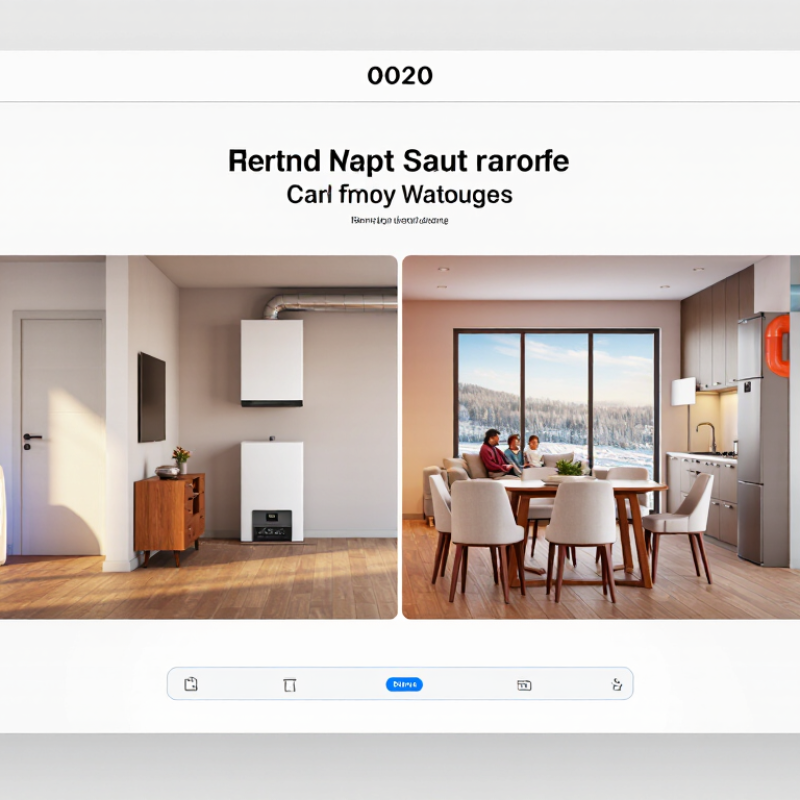
Gas Heater Types: Forced-Air Furnaces, Boilers, Infrared, and Convection Units
What Is the Best Type of Gas Heater?
Gas Heater Types: Forced-Air Furnaces, Boilers, Infrared, and Convection Units
Choosing the best gas heater depends on your home’s layout, insulation, climate, and existing system. Forced-air furnaces heat air and push it through ducts. They warm rooms quickly, but airflow may stir dust and create uneven temperatures. Poorly sealed ducts can also waste heat inside walls or crawl spaces. A qualified technician should inspect combustion, venting, filters, and carbon monoxide protection before installation.
Boilers heat water and circulate it through radiators or underfloor pipes. They provide steady, quiet warmth, although installation can be expensive in homes without hydronic piping. Infrared heaters warm people and nearby surfaces directly. They suit workshops, patios, or rooms needing focused heat. Convection units warm air gradually and operate quietly, but cold rooms may take longer to feel comfortable. No system is perfect. The most impressive option on paper may perform poorly in a drafty home.
Tips: Compare total operating costs, not only the purchase price. Check the heater’s output against the room size. Ask for written efficiency ratings and maintenance requirements. Keep vents clear, schedule professional servicing, and install approved carbon monoxide alarms. A small sizing mistake can cause short cycling, dry air, or unnecessary fuel use.
What Is the Best Type of Gas Heater?
Typical efficiency varies by model, venting method, installation, and maintenance. High-efficiency forced-air furnaces and boilers can reach approximately 98% AFUE, while infrared and convection heaters commonly range from about 80% to 95% thermal efficiency. Furnaces heat air quickly, boilers provide steady radiant heat through water, infrared units warm people and surfaces directly, and convection heaters warm surrounding air.
Efficiency Ratings Explained: Comparing 80–89% and 90–98% AFUE Systems
What Is the Best Type of Gas Heater?
AFUE measures how much fuel becomes usable heat over a heating season. An 80–89% system leaves more heat in the exhaust. A 90–98% system captures much more of it. For example, a 95% AFUE heater delivers about 95 units of heat from 100 fuel units. The remaining energy escapes through exhaust or operating losses. That difference can reduce fuel use, especially in colder climates or homes needing long heating cycles.
Higher AFUE is not automatically the best choice. Most 90–98% systems use condensing technology, which needs suitable venting and a condensate drain. Installation can cost more, and poor drainage can create avoidable service problems. An 80–89% heater may fit a lightly used home, a mild climate, or an existing venting setup. However, older venting must be inspected carefully. A professional should verify combustion safety, sizing, airflow, and local installation requirements.
Tips: Compare estimated annual fuel costs, not AFUE alone. Ask whether your home needs new vent pipes or drainage. Check the warranty terms and maintenance access. Keep filters clean, but do not assume every problem comes from the filter. That is an easy mistake. A correctly sized heater often performs better than a higher-rated unit that cycles constantly. A careful load calculation matters more than a tempting number on a sales sheet.
Heating Performance: How BTU Output and Climate Determine the Best Choice
BTU output and climate should guide your gas-heater choice, not room size alone. A heater with excessive output may warm a room quickly, then shut down repeatedly. This short cycling wastes fuel and creates uneven comfort. The U.S. Energy Information Administration’s 2020 Residential Energy Consumption Survey found that space heating represented about 42% of household energy use. Small sizing mistakes can therefore become expensive.
ACCA Manual J recommends calculating heating loads from outdoor design temperature, insulation, windows, air leakage, and floor area. Cold regions require higher design capacity, while milder climates often need less output. Yet climate alone cannot decide everything. A drafty 1,500-square-foot home may need more heat than a well-insulated larger house. The U.S. Department of Energy defines one therm of natural gas as 100,000 Btu. Compare this fuel input with the heater’s AFUE rating, which shows how efficiently fuel becomes useful heat. Higher is generally better, but installation quality still matters.
Tips: Ask for a documented heat-load calculation, not a guess based only on square footage. Check the local winter design temperature. Choose an output close to the calculated load. Oversizing feels safe, but it often is not. I have seen comfort improve after reducing capacity, although every building behaves differently. Review ducts, filters, and combustion-air requirements with a qualified professional. The Energy Star Residential Heating Product List also emphasizes proper sizing and verified efficiency, but real-world performance can fall when ducts leak or controls are poorly adjusted.
What Is the Best Type of Gas Heater? - Heating Performance: How BTU Output and Climate Determine the Best Choice
| Gas Heater Type | Typical BTU Output per Hour | Heating Performance | Best Climate | Main Advantages | Important Limitations | Best Use |
|---|---|---|---|---|---|---|
| Direct-Vent Gas Heater | 10,000–40,000 BTU/h | High practical efficiency because the sealed combustion chamber draws combustion air from outdoors and exhausts gases outside. Heat is delivered directly into the room. | Mild, mixed, and cold climates; suitable for well-insulated homes. | Good indoor air quality, consistent heat, quiet operation, and reduced drafts compared with open-combustion systems. | Requires an exterior wall or suitable vent route. Installation cost is usually higher than unvented units. | Primary room heating or reliable supplemental heating where safe indoor air quality is a priority. |
| Vent-Free Blue-Flame Heater | 10,000–40,000 BTU/h | Heats room air mainly by convection. Nearly all measured combustion heat remains indoors, but combustion also adds water vapor to the room. | Mild to mixed climates, especially for occasional supplemental heat; suitability depends on local regulations and ventilation. | High apparent heat output, simple installation, and no dedicated flue in locations where permitted. | Adds moisture and combustion by-products indoors. It may be restricted or prohibited in some jurisdictions and should not be treated as automatically safe for every room. | Short-duration supplemental heating in approved, adequately sized spaces. |
| Vent-Free Infrared Heater | 10,000–40,000 BTU/h | Transfers heat by infrared radiation, warming people and nearby surfaces quickly before the entire room reaches the target temperature. | Mild to mixed climates; useful where occupants need rapid, localized warmth. | Fast perceived warmth, effective in rooms with high ceilings or intermittent occupancy, and no dedicated flue where legally allowed. | Like other vent-free heaters, it adds moisture and combustion products indoors and may be subject to local restrictions. | Spot heating, emergency backup, or occasional supplemental heat in compliant installations. |
| Natural-Draft B-Vent Heater | 20,000–100,000 BTU/h | Uses indoor air for combustion and vents exhaust through a vertical flue. Performance can be affected by chimney draft, wind, and building pressure. | Cold climates and larger spaces when a properly designed venting system already exists. | Can support higher heat outputs and may work with existing vertical vent infrastructure. | May draw heated indoor air outdoors, create drafts, and require careful installation to prevent backdrafting and carbon-monoxide hazards. | Larger rooms, utility areas, or replacement applications with an approved vertical vent. |
| Gas Furnace with Ductwork | 40,000–120,000 BTU/h input | Provides whole-home heating through ducts. Modern condensing models can achieve approximately 90%–98% annual fuel-utilization efficiency when correctly sized and installed. | Cold and very cold climates, particularly in larger or multi-room homes. | Centralized temperature control, broad coverage, and compatibility with air filtration and ventilation accessories. | Higher installation cost, duct heat losses, fan electricity use, and the need for professional sizing based on a heat-loss calculation. | Primary heating for an entire house or large multi-zone building. |
| Gas Boiler with Hydronic Radiators or Underfloor Heating | 30,000–150,000 BTU/h input | Heats water and distributes warmth through radiators, baseboards, or radiant floors. Radiant systems provide even, low-draft comfort. | Cold and very cold climates; especially effective in well-insulated homes needing steady heat. | Quiet operation, excellent comfort, fewer airborne particles than forced-air systems, and strong zoning potential. | Slower response than many forced-air heaters, higher installation complexity, and possible pipe-freezing risk during prolonged outages. | Whole-home heating where radiant comfort and room-by-room control are important. |
Safety and Venting Standards: Certification, Combustion Air, and Carbon Monoxide
The best gas heater is not chosen by output alone. Certification and venting determine whether combustion stays controlled. Look for a recognized safety certification, such as compliance with ANSI Z21.11.2 for applicable room heaters. The label should show the tested fuel type, installation limits, and required clearances. Do not accept a missing plate or vague online claim.
Venting must match the heater and the building. A flue needs correct sizing, slope, termination, and resistance to blockage. Combustion air also matters. A tightly sealed room may starve the burner, causing incomplete combustion and carbon monoxide production. NFPA 54 requires combustion air to be calculated from room volume or dedicated openings, not guessed from a cracked door. That detail is easy to overlook. I would still ask a qualified technician to verify draft and pressure after installation.
Carbon monoxide has no smell or color. CDC reports that more than 400 people die from unintentional carbon monoxide poisoning in the United States each year, while over 100,000 visit emergency departments. Install listed CO alarms outside sleeping areas and on every level, following local code and the alarm’s instructions. Test them monthly. Replace them according to the manufacturer’s service life.
A heater can appear quiet and clean while operating unsafely. That is the uncomfortable part. Annual inspection, visible vent connections, and a working alarm provide stronger protection than heating performance claims alone.
Operating Costs: Fuel Consumption, Maintenance, Lifespan, and Installation Data
What Is the Best Type of Gas Heater?
Operating Costs: Fuel Consumption, Maintenance, Lifespan, and Installation Data
Choosing a gas heater depends less on advertised output than on daily operating conditions. Natural gas often costs less where a utility line exists. Propane may suit homes without that connection. Compare delivered fuel prices, not efficiency alone. A 95% efficient heater still wastes money in a poorly insulated room. Numbers matter. In my experience, a basic heat-loss assessment can change the purchase decision.
Fuel consumption depends on input rating, runtime, and local pricing. A 30,000-Btu-per-hour unit running six hours daily uses 180,000 Btu before cycling losses. Actual use changes with wind, thermostat settings, and door openings. This estimate is imperfect. Keep a monthly meter or tank log throughout one heating season. That record often beats a showroom promise.
Maintenance may include combustion checks, vent inspection, filter cleaning, and leak testing. Annual professional servicing is sensible, especially after dusty construction or long storage.
Installation can dominate the first-year budget. Existing venting and gas lines may reduce labor costs. Converting a room may require new pipework, drainage, controls, and carbon-monoxide protection. Request a written quote separating equipment, materials, permits, and commissioning. Lifespan varies with corrosion, service quality, and runtime. Fifteen years is possible, not guaranteed. Oversized models often cycle frequently, feel uneven, and may increase wear.
Related Posts
-
Top 10 Porch Heaters for Global Buyers in 2026?
-
2026 How to Choose the Best Porch Heaters for Your Home?
-

10 Best Porch Heaters for Outdoor Spaces?
-
What is a Gas Heater and How Does It Work?
-

10 Best Gazebo Heaters for Your Outdoor Space in 2026?
-

2025 Guide: How to Choose the Best Wall Mounted Heater for Your Home
Skip to content