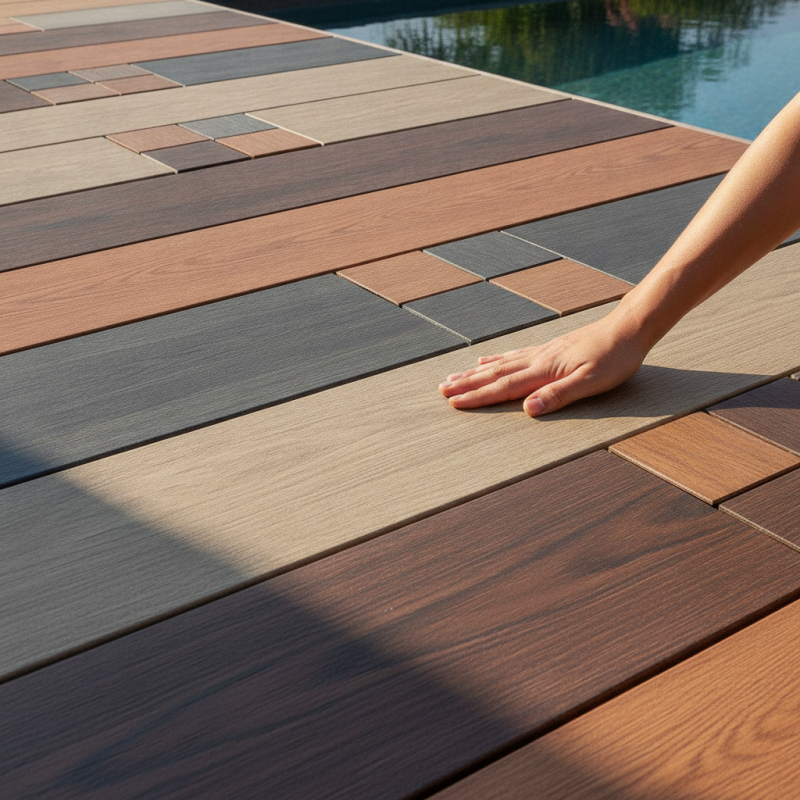
How to Choose the Best Wpc Decking for Your Project?
Choosing the best Wpc Decking for your project can be challenging. Many options exist, making it overwhelming to decide. Wpc decking combines wood and plastic, creating a durable and attractive surface. In recent years, it has gained popularity due to its numerous benefits.
When selecting Wpc decking, consider your specific needs. Think about where you will install it. A patio, pool area, or balcony requires different features. Weather resistance is vital. Some Wpc decking offers better protection against moisture and UV rays than others.
It’s essential to research brands and materials. Not all Wpc decking is created equal. Some may fade or warp over time. Look for products backed by warranties. This adds a layer of reliability. Ask for samples to compare textures and colors. Ultimately, the right choice reflects your style and project requirements.
Understanding WPC Decking: Definition and Benefits
WPC decking, or wood-plastic composite decking, combines wood fibers and plastic to create a durable and attractive outdoor surface. This material significantly reduces the maintenance needed for traditional wood decking. Unlike wood, WPC decking resists rotting, splintering, and insect damage. It remains sturdy under various weather conditions, making it ideal for outdoor projects.
When selecting WPC decking, consider the composition. A higher percentage of wood fibers can enhance the natural appearance but may impact durability. Check the manufacturer’s specifications to ensure you are getting a quality product.
Tips: Look for WPC decking options with UV protection to prevent fading. Choose colors that blend well with your outdoor environment. This can enhance the overall appeal.
Remember, not all WPC products are created equal. Some may bend or warp over time. Conduct research and read reviews from previous customers. This insight can offer valuable perspectives on durability and performance.
Key Factors to Consider When Choosing WPC Decking
When selecting WPC decking, several key factors should guide your decision. One of the most important aspects is durability. WPC, or wood-plastic composite, is designed to withstand the elements. However, not all options offer the same level of resilience. Look for products that are resistant to moisture and UV rays. This will ensure your decking lasts longer and requires less maintenance.
Another consideration is aesthetics. WPC decking comes in various colors and finishes. Think about how it will complement your outdoor space. A well-chosen deck can enhance your home's overall look. You might want a natural wood appearance, or something more contemporary. Color selection is crucial for achieving the desired vibe.
Cost is also a vital factor. While WPC decking tends to be more affordable than traditional wood, prices can vary significantly. Evaluate your budget and the longevity of the materials. Sometimes, spending a bit more upfront can save money in the long run.
Reflect on your personal needs too. Do you have kids or pets? If so, safety features are essential. A slip-resistant surface can make a huge difference. Balance price, aesthetics, and safety to find the best WPC decking for your project.
How to Choose the Best WPC Decking for Your Project? - Key Factors to Consider When Choosing WPC Decking
| Factor | Description | Importance | Recommended Value |
| Material Composition | Evaluate the ratio of wood fibers to plastic, affecting durability and aesthetics. | High | 60% wood fibers, 40% plastic |
| UV Resistance | Ability to withstand sun exposure without fading or discolouring. | High | High UV protection rating |
| Slip Resistance | Surface texture and materials that prevent slipping, especially when wet. | High | High slip resistance rating |
| Environmental Impact | Sustainability of materials used, including recycled content and eco-friendliness. | Medium | At least 30% recycled content |
| Warranty | Length and terms of warranty provided by the manufacturer, indicating quality assurance. | High | 20 years or more |
Comparing Different Types of WPC Decking Materials
When selecting WPC decking, understanding the different types is crucial. WPC, or wood-plastic composite, materials come in various compositions and finishes. Some types contain a higher percentage of recycled wood fibers, while others prioritize plastic for durability. Knowing these differences helps in making an informed choice.
One common option is capped composite. This decking has a plastic coating that protects against moisture and UV damage. It's highly durable and low maintenance. However, it can be more expensive upfront. Uncapped composite, on the other hand, is less costly but may require more upkeep over time. Considering your climate and usage can guide you towards the right choice.
Another factor is the aesthetic. Some materials mimic natural wood closely, while others have a more synthetic appearance. Personal preference plays a significant role here. Think about long-term satisfaction versus immediate visual appeal. Take the time to weigh the pros and cons of each type. You'll find that each offers unique attributes but also some drawbacks worth contemplating.
Evaluating Aesthetic and Functional Features of WPC Decking
When evaluating the aesthetic and functional features of WPC (Wood-Plastic Composite) decking, it’s vital to consider the balance between appearance and practicality. WPC decking offers a unique blend of wood and plastic, resulting in a visually appealing product that can mimic the look of natural wood. According to a recent industry report, 45% of homeowners prioritize aesthetics in their decking choices. This is often reflected in color options and textures available in retail offerings.
Functionally, WPC decking is praised for its durability and resistance to rot. Research suggests that WPC can last up to 25 years with proper maintenance. However, not all WPC products are created equal. Some may warp or fade prematurely, which highlights the importance of choosing reputable sources. A report by the Decking Manufacturers Association indicated that 20% of consumers faced issues related to fading or color inconsistency.
When selecting WPC decking, one must balance looks with performance. Visual appeal is important, but longevity is crucial too. Potential buyers should assess warranties carefully. They should also seek out products with high recycled material content, which can impact environmental sustainability. Despite plentiful options, there's no one-size-fits-all solution. Each project demands its unique considerations, impacting the final choice.
Comparison of WPC Decking Features
Assessing Cost and Durability for Your WPC Decking Project
When selecting WPC (Wood Plastic Composite) decking, understanding cost and durability is essential. WPC decking combines wood fibers and plastic, offering a balance of aesthetics and longevity. Generally, higher quality materials come with a higher price tag. Investing more upfront can lead to fewer repairs over time. Cheaper options might save money initially but could require replacements sooner. It's important to assess the long-term value rather than just the initial cost.
Durability is another critical factor. Some WPC products are more resistant to fading and moisture damage, which can be a game-changer in certain climates. Look for warranties that reflect manufacturers' confidence in their products. A 25-year warranty might indicate strong durability, but it's worth researching the terms closely. Alternatively, some decking may visually appeal while lacking the structural integrity needed for a lasting installation.
While exploring WPC options, it's wise to visit showrooms or outdoor exhibitions. Seeing the material in person can clarify what items resonate with your project's aesthetic goals. However, don't hesitate to seek expert advice. There are genuine variations between products. Not all WPC is created equal, and understanding these differences will help in making an informed decision that suits both your budget and your needs.