Essential Features of Forklift Collision Detection Systems?
In today’s busy warehouses, safety is paramount. A Forklift Collision Detection System plays a crucial role in preventing accidents. These systems use advanced sensors to identify obstacles. They can detect people or objects within a forklift's operational range. Immediate alerts are generated to prevent collisions.
Such systems are not infallible, though. Sensor limitations may lead to missed detections. False alarms can create distractions, hindering work efficiency. Workers must stay vigilant, even with these technologies in place. Integration with existing safety protocols is essential. Regular training ensures that employees understand system capabilities and limitations.
As the industry continues to evolve, technology will advance. Future improvements may enhance detection accuracy. However, reliance solely on technology can be misplaced. Human judgment and caution must remain vital components of workplace safety. A Forklift Collision Detection System is a significant step forward, yet challenges persist in ensuring comprehensive safety.
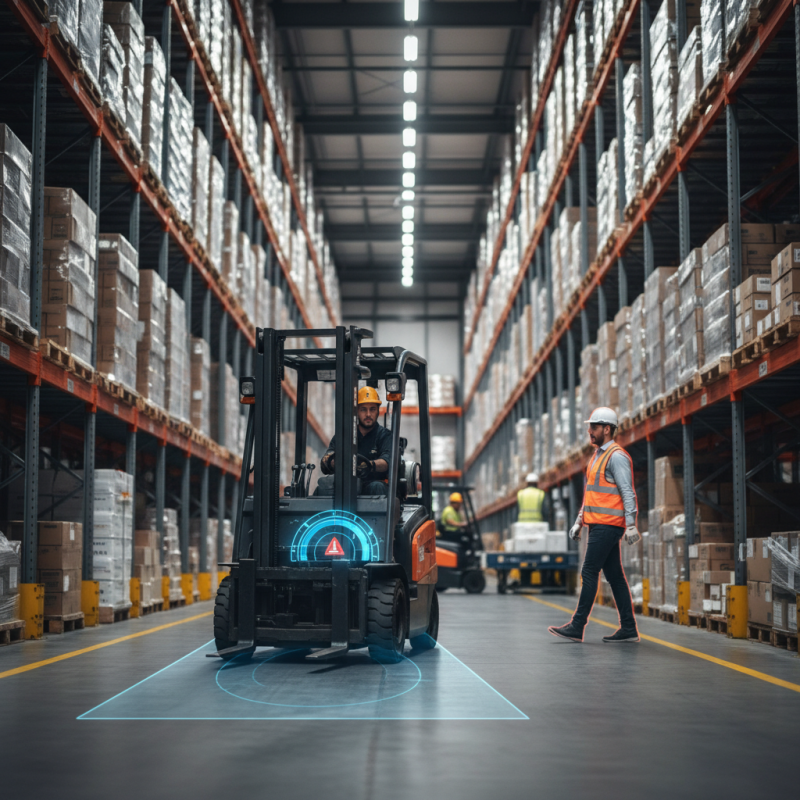
Key Components of Forklift Collision Detection Systems
Forklift collision detection systems play a vital role in enhancing safety in warehouses and industrial settings. These systems consist of various key components that work together to prevent accidents. One essential component is the sensor system, which detects nearby objects and obstacles. Sensors like ultrasonic or laser help in identifying potential collisions. These sensors continuously analyze the environment around the forklift.
Another important aspect is the alarm system. When a potential collision is detected, the alarm system alerts the operator. This can be a visual or auditory warning. Timely alerts can help prevent accidents. However, there can be areas where these alarms might not be loud enough or visible enough to ensure operator awareness. Regular testing and adjustments are necessary to maintain their effectiveness.
Lastly, the integration of these systems with the forklift's operational controls is crucial. When a collision is impending, the system can automatically reduce the forklift's speed or initiate braking. This feature needs constant refinement to match various warehouse layouts. Nonetheless, operators might sometimes override these safety features, leading to potential risks. Continuous training and awareness campaigns can help reinforce the importance of these systems.
Essential Features of Forklift Collision Detection Systems
This chart illustrates the percentage of adoption for various types of forklift collision detection systems. It showcases the importance of different sensor technologies in enhancing safety and preventing accidents in warehouse operations.
Technologies Used in Collision Avoidance for Forklifts
Forklift collision detection systems are essential for maintaining safety in busy environments. One key technology used involves proximity sensors. These sensors detect nearby objects and alert operators to potential hazards. They can pinpoint obstacles even in low visibility conditions. However, their accuracy may vary based on the environment. False positives can lead to frustration and unnecessary stops.
Another important element is the use of cameras. Video feeds provide real-time visuals of surrounding areas. This helps operators make better decisions on the move. Yet, cameras can struggle in extreme lighting conditions. A lack of clarity can hinder their effectiveness, leading to potential risks. Operators must always stay vigilant, even with this technology in place.
Some systems employ radar and LIDAR technologies. These can create a detailed map of the surroundings. They measure distances and identify obstacles precisely. However, the complexity of integration can be a drawback. Training operators to understand system alerts is crucial. Without proper training, these technologies may not be fully utilized, leaving gaps in safety. Thus, reliability hinges on both technology and user awareness.
Real-time Monitoring and Data Analysis in Forklift Systems
In modern warehouses, real-time monitoring is crucial for forklift safety. Systems that track forklift movements provide valuable data. They help identify potential collision risks before accidents happen. Sensors and cameras can detect nearby objects and alert the operator. This technology can prevent costly damages and improve workplace safety. However, it isn't foolproof.
Data analysis plays a significant role in enhancing these systems. Analyzing past collision incidents reveals patterns. For instance, certain areas may have higher accident rates. Reviewing this data allows companies to make informed changes. Adjusting layouts or improving training can lead to safer environments. But, relying too heavily on technology may lead to complacency.
While the systems enhance safety, human oversight remains essential. Operators must remain vigilant, even with alerts. It’s easy to ignore warnings during busy hours. Continuous training and reminders about the importance of attention are vital. The technology and human effort must work hand in hand for maximum effectiveness. Each collision incident teaches a lesson that shouldn’t be overlooked.
Essential Features of Forklift Collision Detection Systems
| Feature | Description | Importance | Real-time Response Time |
| Proximity Sensors | Detects nearby objects and alerts the operator. | Prevents collisions and enhances safety. | < 1 second |
| Camera Systems | Provides a visual feed to help operators see obstacles. | Improves awareness and decision-making. | < 0.5 seconds |
| Laser Scanners | Utilizes laser technology to create a 3D map of surroundings. | Highly accurate detection of obstacles. | < 1 second |
| Data Analytics | Analyzes operational data for patterns and anomalies. | Facilitates proactive maintenance and safety strategies. | N/A |
| Audible Alarms | Sound alerts when a potential collision is detected. | Immediate awareness for operators and nearby personnel. | Immediate |
Integration of Safety Protocols in Forklift Detection Systems
Forklift collision detection systems are vital for workplace safety. Integrating safety protocols into these systems enhances their effectiveness. These protocols encompass real-time alerts, zone monitoring, and collision avoidance technology. Real-time alerts provide immediate feedback when a potential hazard is detected. Effective monitoring of designated zones helps keep pedestrians safe in busy environments.
The design of safety features needs careful consideration. Some systems rely solely on sensors, which may miss critical situations. Regular testing is necessary to ensure these systems respond accurately in various conditions. Additionally, training employees on using these technologies is vital. Awareness and understanding can reduce accidents significantly.
Not all collision detection systems perform flawlessly. There may be blind spots in certain layouts. Integrating advanced safety measures is essential. Continuous improvements and regular assessments can help identify these gaps. Relying solely on technology isn’t enough. Employers should foster a culture of safety that encourages proactive behavior and vigilance among all staff members.
User Interface and Alerts for Forklift Collision Detection Systems
User interfaces in forklift collision detection systems play a crucial role in enhancing operational safety. An intuitive design ensures operators understand alerts quickly, minimizing response time during an emergency. Research shows that companies with user-friendly systems experience a significant reduction in accident rates, with some reporting up to a 30% decrease. Clear, visual indicators integrated into the dashboard can provide real-time data that improves awareness among operators.
Alerts are vital. Effective collision detection systems use both auditory and visual signals to notify operators of potential hazards. For example, a sudden beep or flashing light can alert a driver when another vehicle is in proximity. Studies indicate that multi-sensory alerts are 50% more effective in preventing accidents compared to single-signal systems.
Tips: Regular training on the user interface can enhance the operator's responsiveness to alerts. Operators should also have regular feedback sessions to discuss any challenges they face in using the system.
However, not all systems are perfect. Some operators may find alerts overwhelming, leading to desensitization. Balancing alert frequency and clarity is crucial to prevent complacency. Companies must continually assess and adjust their systems to ensure maximum effectiveness.