
FAQS

What Is Felt Underlay Used For?

What Is Felt Underlay Used For? The answer begins beneath the visible floor. Felt Underlay is a dense, resilient layer placed below carpets, rugs, and selected floating floors. It can soften footsteps, reduce room noise, and improve everyday comfort. Imagine walking across a hallway and hearing less heel impact. That small change often feels surprisingly valuable.

Flooring specialist Tom Duffy puts it simply: “Underlay is the quiet layer that determines how a floor feels, sounds, and lasts.” This practical view matters because underlay is not merely a soft filler. Its thickness, density, and moisture resistance influence carpet performance. A suitable Felt Underlay can help reduce pressure on carpet fibers. It may also smooth minor surface irregularities beneath the finished covering.

The material has limits.

It will not repair a damaged subfloor. It cannot replace professional moisture testing. Poor installation may create movement, uneven edges, or premature wear. These details are easy to overlook when choosing materials from a small sample.

In this guide, we will examine where Felt Underlay works best and why installers specify it. We will consider thermal comfort, acoustic control, floor protection, and installation conditions. Real rooms behave differently. A quiet bedroom, busy corridor, and commercial office need different solutions. The best result comes from matching the underlay to the floor covering, subfloor, traffic level, and room environment. That decision may seem minor, but it shapes the floor every day.
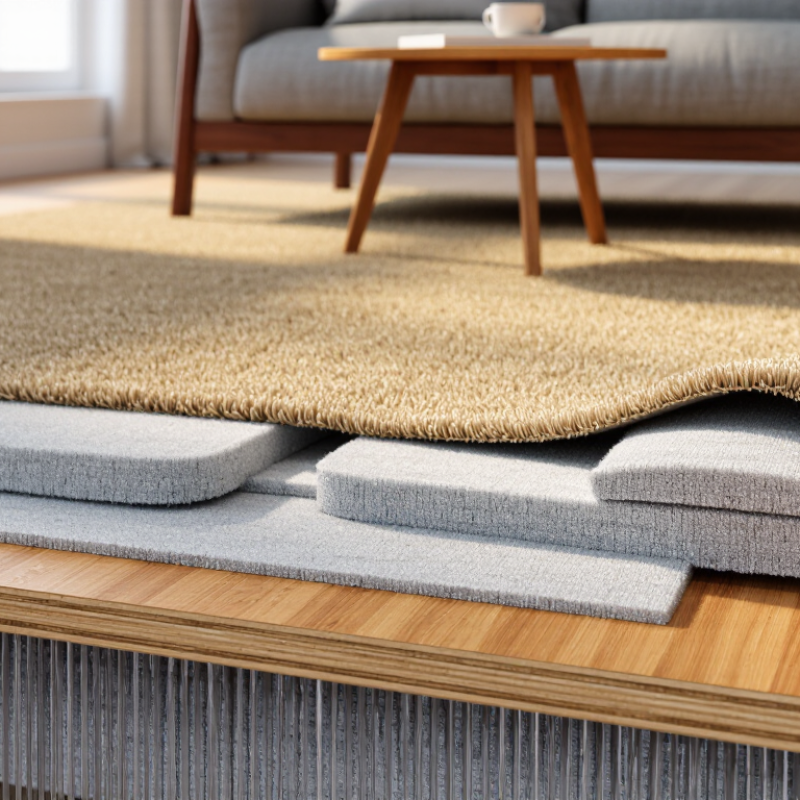
What Is Felt Underlay Used For?

What Is Felt Underlay?

What Is Felt Underlay Used For?

Felt underlay is a soft, dense layer placed beneath carpets, rugs, and some floor coverings. It is usually made from compressed natural or synthetic fibres. Its main purpose is to improve comfort, insulation, and floor protection.

Underfoot, felt underlay adds gentle cushioning and reduces the hollow sound of footsteps. It can also limit heat loss through cold floors. Its dense structure helps protect carpet backing from direct contact with rough subfloors. Experienced flooring installers use it to smooth minor surface variations, but it cannot repair dampness, cracks, or uneven boards. The subfloor must remain clean, dry, and stable. A small installation mistake matters. Loose edges may create ridges, while excessive thickness can affect doors and floor levels.

Tips: Measure the room carefully and cut the underlay with a sharp utility knife. Keep seams close, but avoid overlapping pieces. Check the flooring manufacturer’s guidance before installation, especially with underfloor heating. Felt can feel warm and luxurious, yet it is not always the best choice for moisture-prone rooms. I once underestimated how much a slightly uneven subfloor would show through a soft covering. It is worth checking twice.

How Felt Underlay Supports Flooring

What Is Felt Underlay Used For?

Felt underlay supports flooring by creating a stable, softer layer between the floor covering and subfloor. It is commonly placed beneath carpets, rugs, and some floating floors. The dense fibers absorb footfall pressure and help reduce the hollow sound often heard over timber or concrete. Rooms can feel warmer too, especially when winter air rises through a cold subfloor.

During installation, felt underlay can hide very small surface variations. A carpet may feel smoother underfoot, while furniture legs create less immediate compression. It also helps protect the flooring from direct contact with grit or minor subfloor friction. However, it is not a repair material. Large dips, sharp edges, and damp areas must be corrected first. I have seen otherwise attractive flooring fail because the underlay was expected to solve every problem.

Tips: Check the flooring instructions before cutting the material. Some floors need a specific density or thickness. Keep the underlay joints tight, but do not overlap them. Leave no loose folds near doorways. Test a small section first. This simple step can reveal movement, squeaking, or an unsuitable height beneath doors. Use a dry, clean subfloor, and inspect it carefully in bright light. Felt underlay can improve comfort and noise control, but correct fitting matters just as much.

What Is Felt Underlay Used For? - How Felt Underlay Supports Flooring

Flooring Application Primary Purpose of Felt Underlay Typical Support Provided Important Installation Considerations
Broadloom Carpet Improves comfort, helps protect the carpet backing, and provides a more even feel underfoot. Adds cushioning, reduces minor surface irregularities, and can help carpet retain its appearance with suitable traffic levels. Use a compatible underlay with the carpet and adhesive or tack-strip installation method. The subfloor should be clean, dry, and structurally sound.
Area Rugs Provides additional cushioning and helps reduce movement when the underlay is designed for rug use. Improves walking comfort, helps reduce contact noise, and can protect the floor finish from some direct abrasion. Choose a non-staining, non-slip product that is suitable for the rug and floor surface. Avoid trapping moisture beneath rugs on damp slabs.
Laminate Flooring May provide acoustic and comfort benefits when specifically approved for floating laminate systems. Can reduce some impact noise and help distribute minor compression beneath the flooring. The underlay must not be too soft or thick, because excessive movement can stress click-lock joints. A separate moisture barrier may be required over concrete.
Engineered Wood Can improve underfoot comfort and sound control in floating installations when permitted by the flooring specification. Provides limited cushioning and helps reduce direct contact between the flooring and subfloor. Follow the flooring manufacturer’s requirements for floating, nailed, or glued installation. Felt underlay is not a substitute for subfloor leveling.
Solid Wood Flooring May be used in selected installation systems to improve acoustic performance or separate compatible layers. Offers limited impact-noise reduction and helps accommodate small interface imperfections. Many solid wood floors require mechanical fixing or a specified adhesive system. Confirm compatibility before using any compressible underlay.
Vinyl and Luxury Vinyl Tile Used only where the flooring system specifically allows a separate underlay. May add slight comfort and sound benefits, but it must not telegraph texture or create excessive movement. Many vinyl products require a firm, smooth base and direct installation. A soft felt layer can cause joint separation, indentation, or installation failure if not approved.
Concrete Subfloors Separates compatible flooring layers and can contribute to impact-noise control. Provides a resilient interface and limited cushioning above a properly prepared slab. Check slab moisture before installation. Felt itself is not a waterproofing system; use a tested vapor-control solution when required.
Timber Subfloors Can reduce direct friction and help moderate minor contact noise between flooring layers. Offers a soft separating layer while allowing the finished floor to sit more evenly on a prepared base. Repair loose boards, protruding fasteners, and significant unevenness first. Do not use underlay to correct structural movement.
Key Selection Factors: Choose felt underlay according to the flooring type, installation method, required firmness, moisture conditions, acoustic objectives, and the manufacturer’s written installation requirements. Felt underlay can improve comfort and separation, but it cannot correct an unstable, damp, or substantially uneven subfloor.

Where Felt Underlay Is Commonly Used

What Is Felt Underlay Used For?

Where Felt Underlay Is Commonly Used

Felt underlay is commonly installed beneath carpets to improve comfort, reduce movement, and protect the floor below. Its dense fibers create a softer step, especially on concrete, timber, and uneven subfloors. In apartments, it can also reduce some impact noise from footsteps and dropped objects. The result depends heavily on thickness, density, and correct fitting. Thicker is not always better.

Residential bedrooms and living rooms remain common applications. Felt underlay is also used in offices, hotels, cinemas, and stairways where carpets receive regular traffic. On stairs, it can make each step feel quieter and less harsh. Furniture makers use thinner felt layers beneath upholstery, cabinet bases, and table surfaces. They help prevent scratches and minor vibration.

Acoustic wall panels and machine enclosures may use recycled felt as a supporting layer. However, felt underlay should not be treated as complete soundproofing. Testing under ISO 10140 conditions measures building-element sound insulation, not every room’s real performance. The World Health Organization’s Environmental Noise Guidelines also connect noise exposure with sleep and health concerns, but underlay alone cannot solve those problems.

Material selection also has an environmental side. The U.S. Environmental Protection Agency’s Facts and Figures report estimated 4.7 million tons of carpet and rug waste in 2018. Only a small portion was recycled. Recycled-fiber felt can reduce virgin material use, though its actual benefit depends on composition, durability, and end-of-life options. That detail is easy to overlook.

Key Benefits of Felt Underlay

What Is Felt Underlay Used For?

Key Benefits of Felt Underlay

Felt underlay sits beneath carpet, laminate, or selected floating floors. It creates a softer layer underfoot and reduces the hollow sound produced by footsteps. Dense felt can also help protect flooring from minor subfloor irregularities. That matters in real homes, where timber boards are rarely perfectly level.

The European Commission Joint Research Centre’s Level(s) framework emphasizes durability and long service life in building materials. A resilient underlay supports both aims by reducing surface stress during daily use. It is not magic, though. Serious dips still require subfloor repair.

Acoustic comfort is another key benefit. The World Health Organization’s 2018 Environmental Noise Guidelines recommend indoor night noise below 30 dB(A) for good sleep conditions. Felt underlay cannot guarantee that target, because room shape, flooring, and installation change the result.

Ask for laboratory test data using ISO 10140 or ISO 717-2 methods. Thermal comfort improves too, especially above cold timber or concrete floors.

Some recycled-fiber felt products also use recovered textile content, but sustainability claims need verification. Look for clear composition, density, thickness, and emissions information. A thicker layer may feel better, yet it can create problems beneath doors or poorly fitted flooring. Careful measurement remains essential.

Factors to Consider Before Choosing Felt Underlay

What Is Felt Underlay Used For?

Factors to Consider Before Choosing Felt Underlay

Felt underlay sits between the subfloor and the finished floor. It cushions footsteps, softens minor surface irregularities, and helps reduce impact noise. It can also improve thermal comfort beneath carpet, laminate, or some engineered flooring systems. The effect is practical, not magical. A soft layer cannot correct serious dampness, major unevenness, or structural movement.

Noise control deserves careful attention. The World Health Organization’s Environmental Noise Guidelines for the European Region recommend indoor bedroom noise below 30 dB at night. Felt may support quieter rooms, but its performance depends on the complete floor assembly. Check tested impact-sound ratings, such as ΔLw or L’nT,w, rather than trusting thickness alone. Thicker is not always better. Excessive compression can make flooring feel unstable and may damage click joints.

Density, moisture resistance, and recovery are important selection factors. A dense felt usually supports furniture better, while a lighter product may suit low-traffic rooms. Confirm compatibility with radiant heating, adhesives, floating floors, and the manufacturer’s installation requirements. Look for documented fire performance and emissions testing from recognized laboratories. The European Commission’s Level(s) framework also encourages measured building performance, rather than unsupported product claims.

Measure the subfloor before ordering. A small ridge under felt can remain visible. A cold concrete slab needs moisture protection first. This is where many installations go wrong. I would also inspect the underlay after placing heavy furniture, because early flattening reveals weaknesses that a showroom sample cannot.

What Is Felt Underlay Used For?

Felt underlay is commonly used beneath carpets and some floating floor systems to improve comfort, reduce impact noise, add thermal insulation, and help disguise minor subfloor irregularities.

The chart uses a relative 1–5 suitability scale based on the typical functions of felt underlay. Actual results depend on the material thickness, density, installation method, floor type, moisture conditions, and the requirements of the room.

Article Source: