
FAQS
What is a Green Sliding Window and its Benefits?
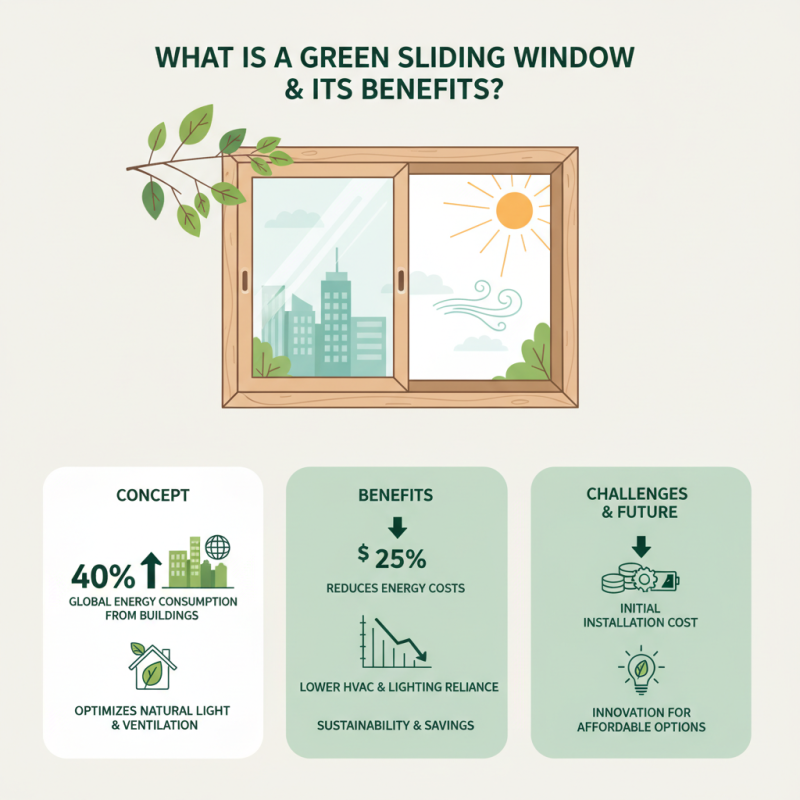
The concept of a Green Sliding Window is gaining traction in sustainable architecture. Recent studies show that buildings account for nearly 40% of global energy consumption. This statistic highlights the urgent need for energy-efficient solutions. The Green Sliding Window offers a significant opportunity to address this issue.
By optimizing natural light and ventilation, these windows reduce the reliance on artificial lighting and HVAC systems. Reports indicate that using such windows can lower energy costs by up to 25%. This is crucial as energy prices continue to rise, placing financial pressure on homeowners and businesses alike.
However, the adoption of Green Sliding Windows is not without challenges. While many recognize their benefits, the initial installation costs can deter potential users. Manufacturers must innovate to offer affordable options. Balancing sustainability with economic feasibility remains a significant hurdle in the industry.
What is a Green Sliding Window?
A green sliding window refers to an innovative architectural design that integrates energy-efficient technology with aesthetics. This concept emphasizes the use of sustainable materials. According to a recent report from the U.S. Green Building Council, buildings that utilize energy-efficient windows can reduce heating and cooling costs by up to 50%. This is particularly beneficial in urban settings where energy demand peaks.
These windows are designed to enhance natural light while minimizing heat loss. They help create a comfortable indoor environment, reducing reliance on artificial lighting. The incorporation of double or triple glazing is common, providing added insulation. An analysis by the International Energy Agency highlights that improved window technology can significantly lower carbon emissions in buildings.
Tip: When considering a green sliding window, think about orientation. Properly placed windows can maximize solar gain in winter while limiting it in summer.
Another aspect worth contemplating is the initial investment. While green sliding windows can be pricier upfront, they pay off over time through energy savings. However, not all green windows offer equal benefits. It's crucial to evaluate the framing material and frame design to ensure optimal energy performance.
Tip: Review energy ratings and certifications to ensure you select high-performance options that suit your needs.
The Evolution and Concept of Green Sliding Windows
The concept of green sliding windows has evolved significantly in recent years. Originally designed for energy efficiency, these windows now offer numerous benefits, including enhanced aesthetics and improved airflow. A study from the U.S. Department of Energy emphasizes that high-performance windows can reduce energy use by up to 30%. This statistic highlights the potential for substantial savings in energy costs.
Many homeowners struggle with the decision to upgrade to green sliding windows. Some resist, thinking it may be too expensive or complicated. However, research suggests that the long-term payback is noteworthy. Not only do these windows lower heating and cooling costs, but they also add value to properties. Reports indicate that homes with energy-efficient features sell 5-10% faster.
Tips for homeowners considering green sliding windows:
- Prioritize products with low U-factor ratings for better insulation.
- Research local incentives for energy-efficient upgrades.
- Additionally, remember that not all windows qualify as "green." Check certifications to ensure compliance with industry standards.
Advantages of Green Sliding Windows in Energy Efficiency
Green sliding windows are gaining popularity for their energy efficiency. These windows often use double or triple glazing. This technology helps to reduce heat loss. According to a recent report by the Department of Energy, energy-efficient windows can save homeowners up to 30% on heating and cooling costs.
The benefits extend beyond savings. By allowing natural light in, green sliding windows reduce the need for artificial lighting. The study noted that homes with ample daylighting have better occupant comfort and moods. Additionally, they can reduce carbon footprints by minimizing energy consumption. However, the initial investment can be high. Many homeowners hesitate due to costs, even if long-term savings are apparent.
In some cases, installation may not live up to expectations. Poor sealing or incorrect installation can lead to drafts. It’s vital to hire skilled professionals for the job. Overall, green sliding windows offer significant advantages in energy efficiency, but careful planning is essential for optimal benefits.
Impact of Green Sliding Windows on Building Sustainability
Green sliding windows represent an innovative approach to enhancing building sustainability. These windows often utilize energy-efficient technologies, reflecting heat and managing solar gain. According to the U.S. Department of Energy, buildings account for nearly 40% of the nation’s energy consumption. Using green sliding windows can significantly reduce this figure.
The integration of green sliding windows can improve a building's thermal performance. A study by the National Renewable Energy Laboratory shows that well-designed windows can reduce heating and cooling costs by up to 30%. However, many buildings still use conventional windows. This choice often leads to higher energy bills and increased carbon footprints. The need for awareness and education in the industry remains crucial.
Benefits of these windows extend beyond energy savings. They promote better indoor air quality and enhance occupant comfort. However, not all green sliding windows are created equal. Transparency in the selection process is vital. A poorly chosen window can negate potential benefits. Building designers must conduct thorough assessments to ensure optimal performance. Adopting green solutions requires a mix of innovation and critical evaluation to maximize their positive impacts.
Impact of Green Sliding Windows on Building Sustainability
Market Trends and Growth Potential for Green Sliding Windows
The green sliding window market shows promising growth potential. As consumers become more eco-conscious, demand for energy-efficient options rises. Green sliding windows offer benefits like improved insulation and reduced energy costs. The shift towards sustainable construction is driving this trend.
In urban areas, buildings often face strict environmental regulations. Green sliding windows meet these requirements while enhancing aesthetics. Many homeowners are looking for ways to lower their carbon footprint. These windows are a practical solution that combines style and sustainability.
Yet, challenges exist. Not every manufacturer offers high-quality options. Some windows may not fit well, leading to drafts. Consumers need to be cautious and research before investing. Overall, the increasing interest in green sliding windows reflects a broader commitment to sustainability in architecture.
Skip to content
