What is Hotel Outdoor Seating and Why is it Important?
Hotel Outdoor Seating is an essential element for modern hospitality. It brings a unique charm to any hotel environment. Guests are increasingly seeking spaces where they can relax and connect with nature. Outdoor seating areas enhance the overall experience, providing comfort and aesthetic pleasure.
Research shows that outdoor spaces can improve customer satisfaction. Patrons enjoy dining or socializing al fresco. This environment allows them to escape from everyday stress. It can transform an ordinary hotel stay into something memorable. However, not all hotels prioritize these areas effectively. Some fail to consider ambiance, furniture, and comfort.
Hotel outdoor seating should be thoughtfully designed. Attention to detail can make a significant difference. This includes factors like layout and accessibility. Engaging experts in landscaping can elevate these spaces. With the right approach, hotels can create inviting atmospheres that draw guests in. Balancing aesthetics and functionality is the key.
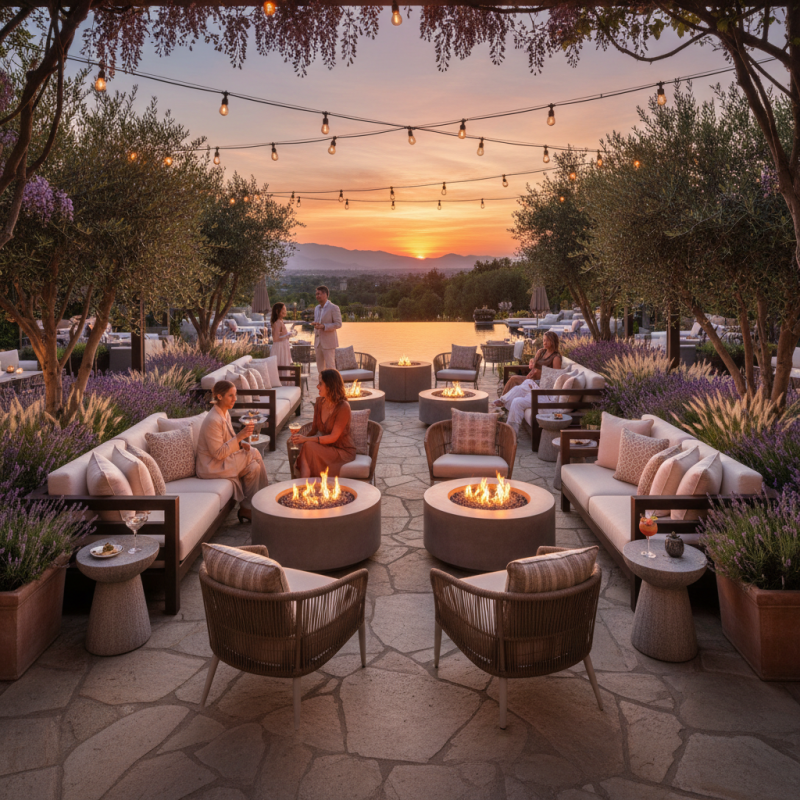
What is Hotel Outdoor Seating? An Overview of Its Features
Hotel outdoor seating offers a unique blend of comfort and ambiance. It's essential for both guest experience and business growth. According to industry reports, about 40% of travelers prefer hotels that feature outdoor spaces. This preference highlights the growing need for hotels to invest in attractive outdoor seating areas.
This type of seating typically includes stylish furniture like loungers, tables, and shade elements. These features enhance the outdoor area, making it inviting. Surveys show that guests spend an average of 30% more time in hotels that provide well-designed outdoor spaces. This increased dwell time can lead to higher spending on food and beverages.
However, creating a successful outdoor seating area is not without challenges. Weather variability can impact guest enjoyment. Adequate heating and cooling options are necessary for comfort. Additionally, the choice of materials and furniture durability is crucial. Poor quality can result in a lack of seating appeal. Balancing aesthetics with functionality is vital for long-term success.
The Benefits of Outdoor Seating for Hotel Guests and Customer Experience
Outdoor seating at hotels offers a unique blend of comfort and ambiance. Guests can enjoy fresh air while sipping coffee or soaking in the sun. It creates a relaxed atmosphere that indoor spaces often lack. Many travelers seek these experiences for a sense of connection to nature. The sound of birds chirping and the feel of a gentle breeze enhance the overall mood.
The benefits extend beyond mere enjoyment. Outdoor seating can significantly improve customer experience. It encourages social interactions among guests. Conversations flow more freely in an open space. This accessibility makes the hotel feel more inviting. However, not all hotels utilize outdoor spaces effectively. Some may overlook the need for comfortable furniture or proper shading. Guests often notice these details. If the seating is cramped or unappealing, it might detract from their experience.
Creating a well-designed outdoor area requires thought and planning. Elements like greenery, lighting, and seating arrangements affect ambiance. A successful outdoor space invites guests to linger. It fosters a sense of belonging and relaxation. Yet, achieving these goals takes time and effort. Hotels must continually assess their outdoor offerings to meet guest expectations.
Impact of Outdoor Seating on Hotel Revenue and Occupancy Rates
Outdoor seating has become a vital aspect of hotel design. It offers guests an inviting space to relax, dine, and socialize. A recent study by the American Hotel and Lodging Educational Institute found that hotels with outdoor seating can see a revenue increase of up to 15%. This statistic highlights the significance of outdoor areas in enhancing guest experience and satisfaction.
In addition to boosting revenue, outdoor seating can positively impact occupancy rates. Hotels featuring engaging outdoor spaces tend to attract more guests, especially during warmer months. According to a report from the Hospitality Technology Magazine, approximately 30% of travelers prioritize hotels with outdoor options when choosing accommodations. Yet, many hotels fall short in optimizing these spaces. Leadership should pay attention to design, ambiance, and comfort to maximize the outdoor experience.
However, some hotels may overlook maintenance for these areas. A well-kept outdoor space can enhance appeal, but neglected seating areas can have the opposite effect. Investing in upkeep is crucial, as guests often take note of cleanliness and overall aesthetics. Reflection on these details can lead to better financial outcomes and improved guest loyalty.
Design Trends: Crafting Inviting Outdoor Spaces in the Hospitality Industry
Creating inviting outdoor spaces is a rising trend in the hospitality industry. Recent studies show that 70% of guests prefer sitting outdoors when dining. This preference drives hotels to invest in attractive outdoor seating solutions. The right design can uplift a guest’s experience, making them more likely to return.
The integration of comfortable seating, greenery, and ambient lighting plays a vital role in outdoor design. Research indicates that well-designed outdoor areas can increase revenue by up to 30%. Utilizing natural materials and durable furnishings enhances both aesthetic and functional aspects. Guests seek harmony with nature, and thoughtful landscaping contributes to this connection.
While many hotels focus on aesthetics, they often overlook practical elements. Weather resistance is crucial, yet many spaces require constant maintenance. Balancing attractiveness and functionality remains a challenge. Thoughtful planning and design can address these issues effectively. With the right approach, outdoor seating can become an essential asset for any hospitality establishment.
Importance of Outdoor Seating in Hotels
Key Considerations for Implementing Outdoor Seating in Hotels
Creating outdoor seating in hotels can significantly enhance the guest experience and influence overall satisfaction. According to a report from the American Hotel and Lodging Educational Institute, nearly 75% of hotel guests prefer properties with outdoor dining options. This preference highlights the importance of effective outdoor seating design.
Key considerations for implementing this feature include location and comfort. Positioning seating areas to maximize views or natural surroundings adds to the appeal. Using weather-resistant materials ensures durability but may not always guarantee guest comfort. It’s vital to assess local climate patterns. A space that feels perfect in summer might be unwelcoming during colder months.
Accessibility is another critical aspect. Outdoor areas must cater to all guests, including those with disabilities. Having pathways, ramps, and appropriate seating arrangements can create an inclusive environment. However, striking a balance between aesthetic appeal and practicality can be challenging. Hotels should regularly seek guest feedback on outdoor spaces to identify areas for improvement. Ultimately, while outdoor seating can elevate a hotel’s attraction, continuous assessment is essential for long-term success.