How Infrared Bar Heaters Work: The Science Behind Efficient Heating Solutions
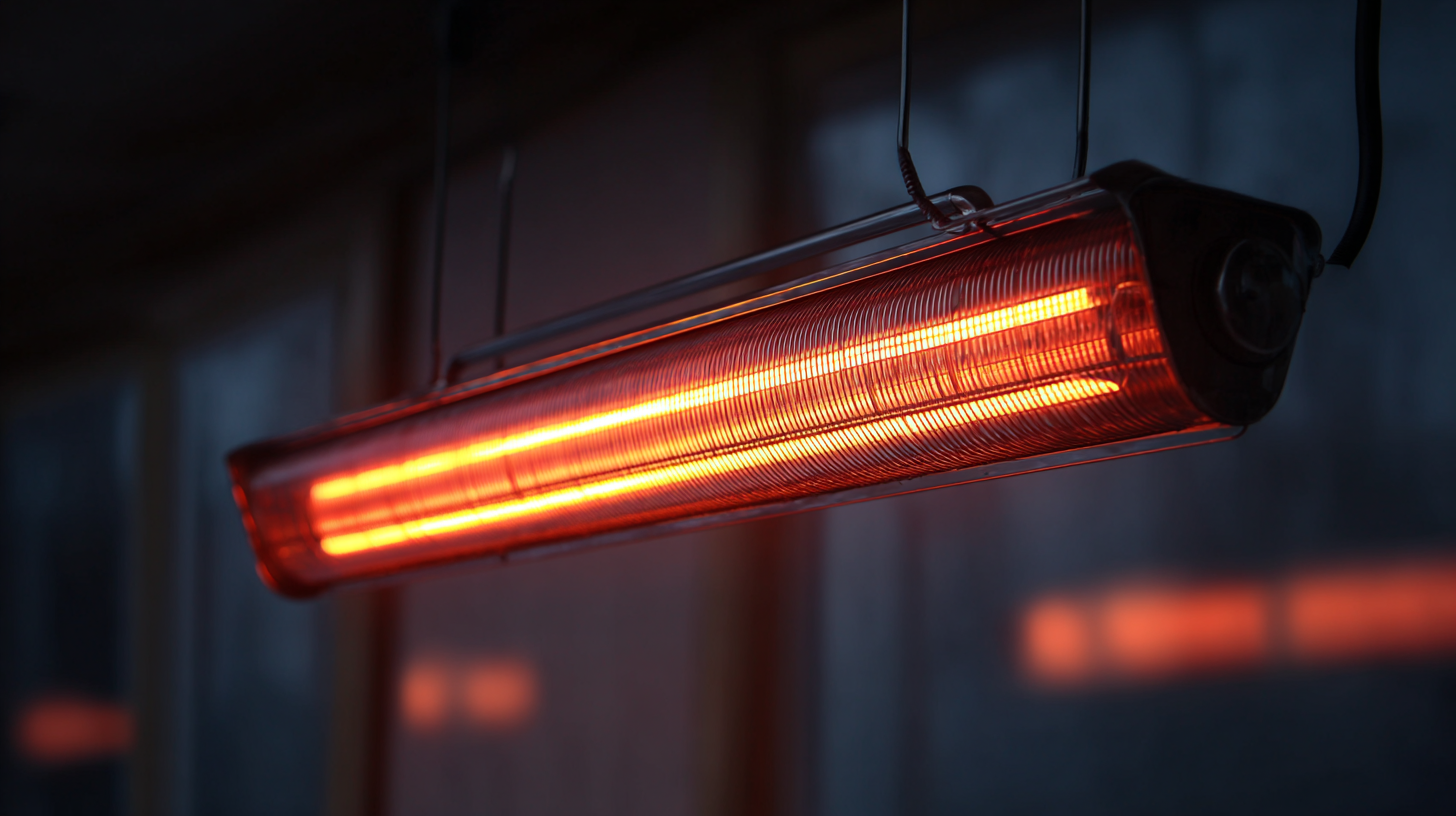 Infrared bar heaters are revolutionizing the way we approach heating solutions in both residential and commercial spaces. Unlike traditional heating systems that rely on convection and air movement, infrared bar heaters utilize electromagnetic radiation to directly warm people and objects, creating a more efficient and comfortable environment. The science behind their operation is rooted in the principles of infrared radiation, which travels in waves and can penetrate the air without significant heat loss. This targeted heating mechanism not only reduces energy consumption but also leads to faster warmth, making infrared bar heaters an attractive option for those seeking effective climate control. As we delve deeper into the workings of infrared bar heaters, we will uncover the distinct advantages they offer as sustainable and cost-effective solutions for modern heating needs.
Understanding the Basics of Infrared Heating Technology
Infrared heating technology is based on the principle of radiation, which differs significantly from conventional heating methods. Instead of heating the air in a room, infrared heaters emit radiant heat that warms objects and surfaces directly. This process is akin to how the sun warms the earth, as the heat travels in waves and is absorbed by people and objects, creating a comfortable environment almost instantly. This direct transfer of heat makes infrared heating particularly efficient and effective for various applications.
One of the key advantages of infrared heating is its ability to reduce energy consumption. Since the technology minimizes the need to heat the entire volume of a space, it lowers energy usage and costs. Furthermore, infrared heaters typically operate silently and require minimal maintenance compared to traditional HVAC systems. Their versatility allows for both indoor and outdoor use, making them an ideal solution for various settings, from homes and offices to patios and workshops. As awareness of energy efficiency grows, infrared heating is becoming an increasingly popular choice for those seeking sustainable and effective heating solutions.
Principles of Heat Transfer: How Infrared Waves Work
 Infrared bar heaters operate on the principles of heat transfer through infrared waves, which are a form of electromagnetic radiation. They can be categorized into different types based on their cooling technology:
active (using mechanical means) and
passive (relying on natural heat transfer). The efficiency of infrared heaters is largely influenced by the wavelength of the emitted waves, which can be classified into
near-infrared, short-wave infrared (SWIR), mid-wave infrared (MWIR), and long-wave infrared (LWIR). Each wavelength serves different applications; for instance, LWIR is widely used in automotive innovations for cabin heating due to its ability to penetrate surfaces and warm the environment more effectively.
Infrared bar heaters operate on the principles of heat transfer through infrared waves, which are a form of electromagnetic radiation. They can be categorized into different types based on their cooling technology:
active (using mechanical means) and
passive (relying on natural heat transfer). The efficiency of infrared heaters is largely influenced by the wavelength of the emitted waves, which can be classified into
near-infrared, short-wave infrared (SWIR), mid-wave infrared (MWIR), and long-wave infrared (LWIR). Each wavelength serves different applications; for instance, LWIR is widely used in automotive innovations for cabin heating due to its ability to penetrate surfaces and warm the environment more effectively.
Interestingly, recent reports suggest that infrared heaters can reduce energy consumption by up to 30% when compared to traditional heating methods. This efficiency makes them ideal for commercial as well as residential use. Additionally, infrared heating solutions showcase an instant heat-up time, making them incredibly versatile for different environments—from outdoor patios to industrial spaces.
Tip: When selecting an infrared heater, consider the specific wavelength appropriate for your application to maximize efficiency.
Tip: For optimal performance, ensure that your heating area is well-insulated to retain heat better.
Tip: Regularly maintain your infrared heater by cleaning it to sustain its heating efficiency and prolong its lifespan.
Comparing Infrared Bar Heaters to Traditional Heating Methods
Infrared bar heaters present a modern alternative to traditional heating methods, offering numerous advantages that enhance heating efficiency and comfort. Unlike conventional heating systems that warm the air in a space, infrared heaters work by emitting radiant heat that directly warms people and objects. This means that infrared heating can reach its desired temperature more quickly and requires less energy to maintain comfort levels compared to systems like forced air or baseboard heaters.
Moreover, traditional heating methods often result in uneven temperature distribution, leading to cold spots in a room. In contrast, infrared bar heaters provide consistent warmth across the space, minimizing drafts and temperature fluctuations. They also eliminate the issue of heat loss through ducts, which is common in forced air systems. As energy efficiency becomes increasingly important in modern heating solutions, infrared heaters stand out as a cost-effective choice, saving both energy and money while delivering superior comfort.
Comparison of Heating Efficiency: Infrared Bar Heaters vs. Traditional Heating Methods
This chart illustrates the average energy efficiency of infrared bar heaters compared to traditional heating methods like electric radiators and gas heaters. The data indicates how infrared technology offers improved efficiency, leading to lower energy consumption and faster heating times.
Key Benefits of Using Infrared Bar Heaters for Home and Office
Infrared bar heaters are becoming a popular choice for both home and office spaces due to their efficiency and numerous benefits. Unlike traditional convection heaters that warm the air in a room, infrared heaters directly heat objects and individuals, providing warmth without excessive energy consumption.
This targeted heating method means that infrared bar heaters can operate at lower temperatures while delivering comfortable warmth, which contributes to energy savings. Studies have shown that infrared heaters can be up to 50% more efficient than conventional electric heaters.
Moreover, the use of infrared bar heaters is particularly beneficial for those looking to reduce their carbon footprint. As these heaters rely on electromagnetic radiation, they eliminate the need for bulky heating systems and reduce overall electricity usage. This is especially advantageous during colder months when energy costs typically rise.
Reports indicate that many users have experienced significant reductions in their heating bills after switching to infrared solutions, reinforcing their status as one of the most economical electric heating options available.
Installation Tips for Maximizing the Efficiency of Infrared Heaters
To maximize the efficiency of infrared bar heaters, installation plays a crucial role. Proper placement is fundamental; these heaters work best when installed at a height where the emitted heat can directly target occupants without obstruction. According to a study by the U.S. Department of Energy, infrared heaters can be up to 50% more effective than traditional heating methods when strategically placed in living spaces. The ideal installation height is typically around 7 to 9 feet from the ground, allowing the warmth to radiate downwards efficiently.

Additionally, considering the room's insulation and heat retention is essential. Infrared heaters warm objects and people rather than the air, meaning that ensuring minimal heat loss through windows and doors can significantly improve efficiency. The International Energy Agency highlights that homes with enhanced insulation can see energy savings of up to 30% when using infrared heating solutions. Utilizing reflective materials on walls near the heater can also amplify heat distribution, providing a cozy environment while reducing energy costs. Implementing these installation tips can lead to a more sustainable and cost-effective heating solution.