What is a Molded Case Circuit Breaker and How Does it Work?
A Molded Case Circuit Breaker (MCCB) plays a crucial role in electrical systems. It protects circuits from overcurrent and short-circuit conditions. By interrupting the flow of electricity, it prevents equipment damage and reduces fire risks. Understanding how an MCCB works requires knowledge of its components and mechanisms.
MCCBs are designed with molded insulating materials. This offers durability and thermal resistance. They include sensing mechanisms to detect overloads. The breaker's trip settings can be adjusted to suit specific applications. Users must consider these settings carefully to ensure protection without nuisance tripping.
In practice, selecting the right MCCB can be challenging. Improper sizing can lead to inadequate protection or frequent interruptions. Manufacturers provide guidelines, yet variations in electrical loads often complicate choices. Considering both real-world scenarios and technical specifications is essential for effective circuit protection.
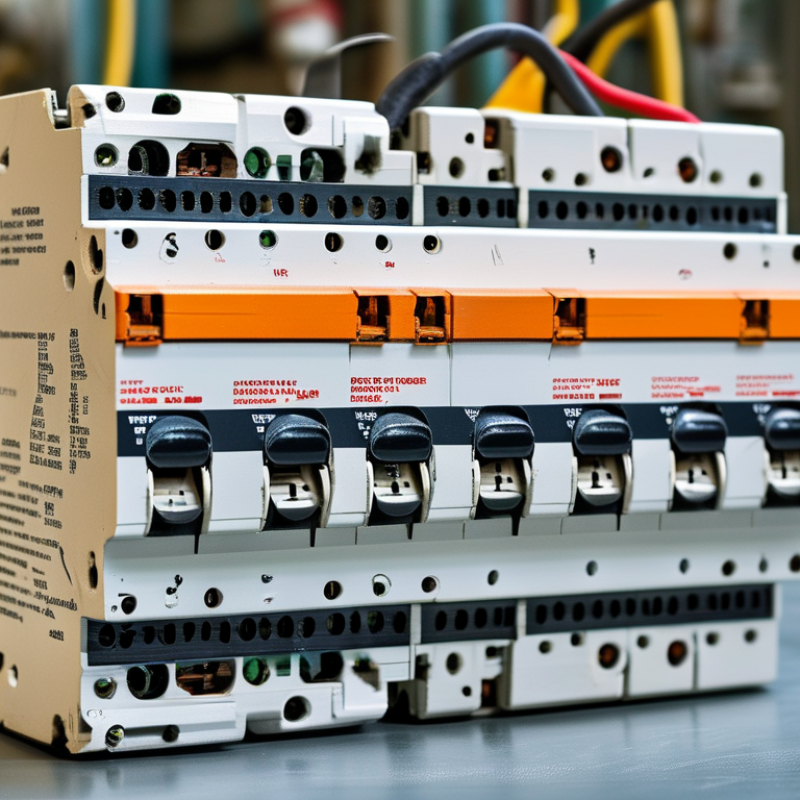
What is a Molded Case Circuit Breaker?
A Molded Case Circuit Breaker (MCCB) is a crucial device in electrical systems. It is designed to protect electrical circuits from overloads and short circuits. MCCBs are widely used in industrial and commercial applications for their reliability. These breakers prevent damage to equipment and ensure safety by interrupting current flow during faults.
The construction of an MCCB includes a molded case, which houses the tripping mechanism. This mechanism can respond to current surges. It’s important to regularly check these devices for functionality. Over time, certain components may wear out or degrade. Routine maintenance can identify issues early and prevent serious electrical failures.
Understanding how MCCBs work is essential for those in facilities management or electrical engineering. Each device has specific ratings and thresholds for tripping. Knowledge of these can help in selecting the correct breaker for the application. However, not all installations are perfect. Mistakes in sizing or placement can lead to future complications. Taking the time to analyze the requirements can lead to better protection.
Key Components of Molded Case Circuit Breakers
Molded case circuit breakers (MCCBs) are essential in managing electrical flow. They protect circuits from overloads and short circuits. An MCCB contains several key components that enhance its functionality and performance.
One significant component is the thermal element. This part uses heat to detect overload conditions. If the current exceeds a designated limit, it will trigger the breaker to open. Another critical part is the magnetic element. It reacts swiftly to short circuits by producing a magnetic force that trips the breaker immediately.
Additionally, the operating mechanism is vital for resetting the circuit. When the breaker trips, it must be reset manually or automatically. Often, users overlook the importance of regular testing. Failing to do so can lead to unreliable protection in critical situations. Understanding these components can aid in better electrical safety practices.
Molded Case Circuit Breakers Performance Comparison
How Molded Case Circuit Breakers Operate
Molded Case Circuit Breakers (MCCBs) are essential for electrical safety. They protect circuits from overloads and short circuits. The operation of MCCBs relies on their ability to sense current flow. When the current exceeds a preset limit, the breaker trips. This action interrupts the electrical circuit and prevents potential damage.
Inside an MCCB, a thermal element and electromagnetic device work together. The thermal element responds to prolonged overcurrent. It heats up, bending a metal strip, which eventually trips the breaker. The electromagnetic device reacts to sudden surges. It acts much faster, providing essential protection against short circuits.
It's interesting to note how these mechanisms can sometimes malfunction. Dust or corrosion can hinder performance, leading to potential failures. Regular maintenance is crucial. Checking contact points and ensuring components are clean can enhance reliability. Using MCCBs in the right applications is also vital. Understanding their limitations helps in making informed decisions, ensuring safety and efficiency in electrical systems.
Applications of Molded Case Circuit Breakers in Electrical Systems
Molded case circuit breakers (MCCBs) are vital components in electrical systems. They provide crucial protection against overloads and short circuits. Their applications span various sectors, from residential buildings to large industrial plants. In commercial settings, MCCBs safeguard sensitive equipment, ensuring a stable power supply.
In industrial environments, MCCBs help manage significant electrical loads. They monitor current and disconnect the circuit when needed. This prevents damage and reduces downtime. Facilities often rely on MCCBs to maintain safety and efficiency. If wrongly sized, an MCCB could either trip too often or fail to trip during a fault. Finding the right balance is key.
In renewable energy systems, MCCBs protect solar inverters and wind turbines. They manage fluctuations in power. Reliability is crucial as these systems integrate with the grid. Engineers must evaluate the unique requirements of each installation. This consideration ensures long-term performance and reliability.
While MCCBs are reliable, they're not infallible. Regular maintenance and testing are essential to ensure they function optimally. Once every few years, a thorough inspection can help identify potential issues. This proactive approach can prevent larger problems and enhance system longevity.
Advantages of Using Molded Case Circuit Breakers
Molded case circuit breakers (MCCBs) offer significant advantages in electrical systems. One key benefit is their ability to protect electrical circuits from overloads and short circuits. According to a report from the International Electrotechnical Commission, MCCBs can provide protection for circuits up to 1,600 amps. This capability is essential in industrial settings where equipment can draw substantial currents.
Another notable advantage of MCCBs is their compact design. Their molded structure allows for space-saving installations. In crowded electrical panels, every inch counts. Additionally, many MCCBs feature adjustable trip settings, enhancing flexibility for specific applications. A study by the Electrical Safety Foundation International highlighted that adjustable settings can reduce nuisance tripping, making MCCBs a reliable choice.
However, it is crucial to understand their limitations. MCCBs may require regular maintenance to ensure they function correctly over time. Some technicians find that aging components can lead to unexpected failures. Assessing the balance between cost and performance often prompts discussions about how best to utilize MCCBs in various environments. Organizations must weigh reliability against the potential need for quick replacements, especially in high-usage scenarios.
What is a Molded Case Circuit Breaker and How Does it Work? - Advantages of Using Molded Case Circuit Breakers
| Feature | Description | Advantages |
| Protection | Protects electrical circuits from overload and short circuits. | Enhances safety of electrical systems. |
| Reliability | Consistent performance with minimal maintenance. | Reduces downtime and repair costs. |
| Compact Design | Space-saving design that fits in various enclosures. | Allows for efficient use of installation space. |
| Easy to Reset | Can be easily reset after tripping. | Reduces time for troubleshooting and restoration. |
| Adjustable Settings | Settings can be adjusted for specific applications. | Provides flexibility for various load conditions. |