Top 10 Tips for Using Infrared Panels for Energy Efficiency and Comfort
In recent years, the focus on energy efficiency and sustainable living has driven innovative heating solutions to the forefront of residential and commercial applications. Among these solutions, infrared panels have emerged as a popular choice, leveraging the principles of radiant heating to provide an effective and comfortable environment. According to a report by the U.S. Department of Energy, residential heating accounts for nearly 42% of energy consumption in homes, highlighting the potential for significant energy savings through the adoption of more efficient technologies like infrared heating systems.
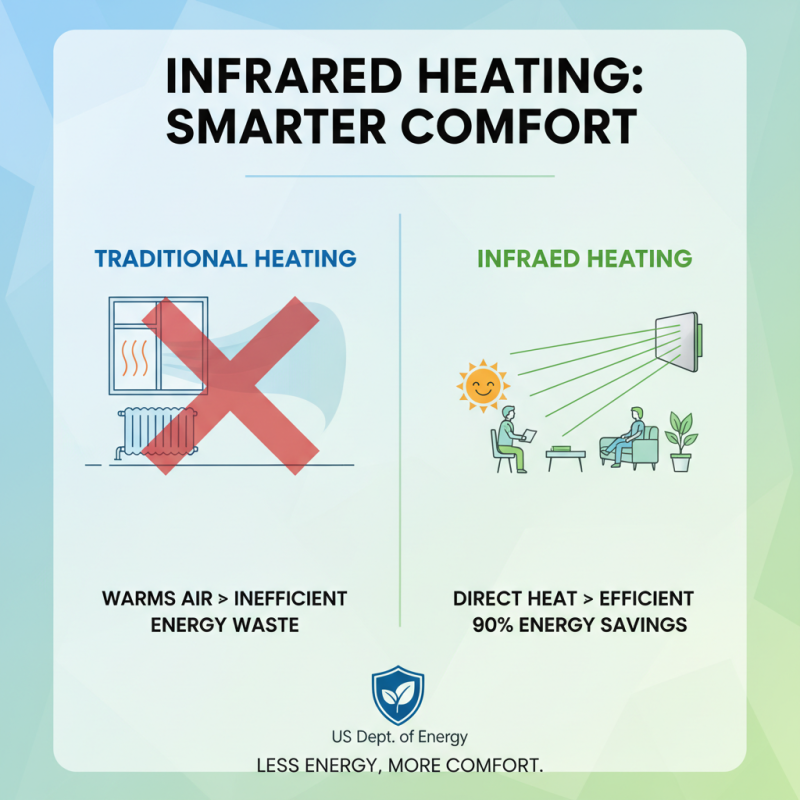
Infrared panels operate by directly warming objects and individuals in the room, rather than heating the air, resulting in a more uniform and comfortable temperature. This type of heating can reduce energy costs by up to 30% compared to traditional systems, as noted in a study conducted by the International Energy Agency. Furthermore, their versatility and ease of installation make them suitable for various applications, from residential rooms to large commercial spaces. As consumers become increasingly aware of their environmental impact and seek ways to enhance comfort while minimizing costs, understanding how to effectively utilize infrared panels will be essential for optimizing their benefits in energy efficiency and comfort.
Understanding Infrared Panels and Their Benefits for Energy Efficiency
Infrared panels are increasingly recognized for their energy efficiency and comfort, offering unique advantages over traditional heating systems. Unlike conventional heaters that warm the air, infrared panels emit heat directly to people and objects within their vicinity. This method not only results in a faster and more effective heating process but also minimizes energy waste, as it requires less energy to achieve the same level of comfort. According to a report by the U.S. Department of Energy, infrared heating systems can achieve efficiency ratings of up to 90%, significantly reducing energy consumption and costs.
When using infrared panels, there are several tips to maximize their benefits. First, ensure that panels are placed strategically in frequently used areas, allowing for optimal heat distribution. This can enhance comfort levels and reduce the need for additional heating sources. Second, consider using timers or smart thermostats. A study from the Energy Efficiency Research Institute found that homes utilizing scheduled heating can save up to 20% on their heating bills, making infrared panels an even more cost-effective option.
Lastly, it's crucial to pay attention to insulation. Well-insulated spaces help retain the heat produced by infrared panels, further improving energy efficiency. Research indicates that proper insulation can reduce heating costs by as much as 30%. By understanding these elements and taking proactive steps in their application, users can fully harness the advantages of infrared panels, making their living environments more comfortable and economical.
Choosing the Right Infrared Panel for Your Space and Needs
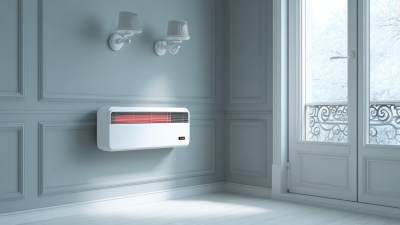
When choosing the right infrared panel for your space and needs, the first consideration should be the size of the area you want to heat. Infrared panels are available in various wattages, and selecting the correct power output is crucial for achieving optimal heating efficiency. For smaller rooms, a panel with lower wattage may suffice, while larger spaces may require multiple panels or higher-output models. Additionally, consider the insulation quality of your space, as well-insulated areas will retain heat better, enhancing the panel's effectiveness.
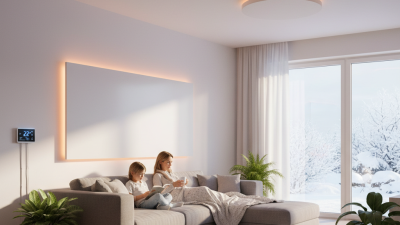
Another important factor is the panel's installation location. Infrared panels can be mounted on walls or ceilings, and the choice largely depends on the layout of your room and your heating preferences. Placing panels near commonly used areas can improve comfort levels significantly. Furthermore, it's essential to assess the aesthetic aspects of the panels. Many options are designed to blend seamlessly with your existing decor, ensuring that energy efficiency doesn’t compromise your interior style. By carefully evaluating these factors, you can ensure that your infrared heating solution meets your comfort needs while maximizing energy savings.
Optimal Installation Techniques for Maximum Heat Distribution
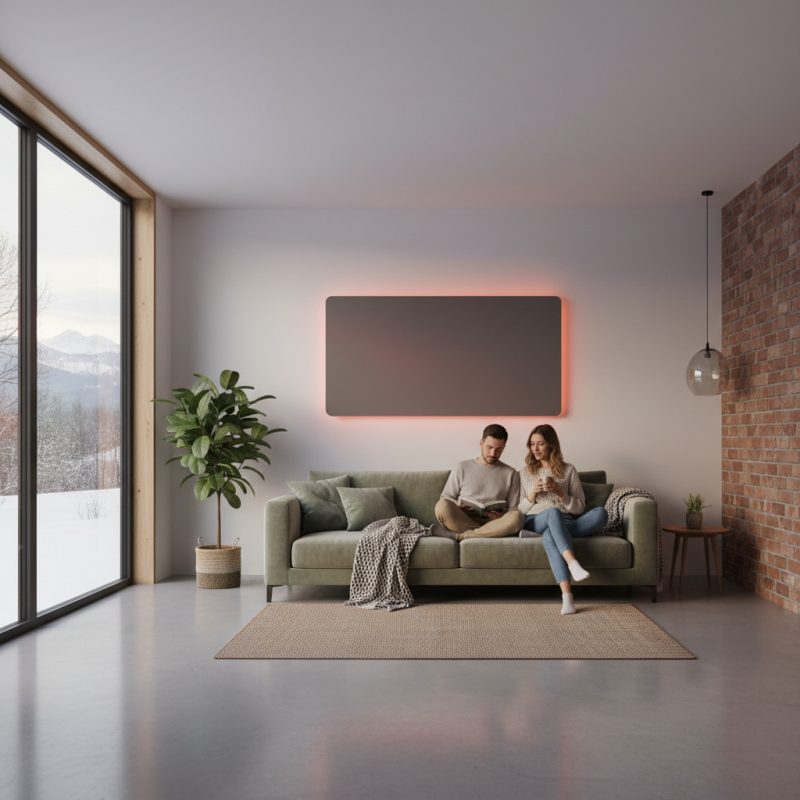
When installing infrared panels for optimal heat distribution, strategic placement is essential. Begin by considering the layout of the room and the locations of occupants. Mounting the panels in corners or along walls can help maximize their effectiveness, ensuring that heat radiates evenly throughout the space. It's crucial to keep the panels unobstructed; any furniture or decor that blocks their radiative heat can lead to uneven warmth. Utilizing a ceiling-mounted setup can also be advantageous, providing a wider dispersal of heat across the room.
In addition to placement, proper orientation and angle are key factors in optimizing heat distribution. Infrared panels should be tilted slightly downward, directing the heat towards the living space rather than the ceiling. This ensures that the warmth generated is utilized efficiently, rather than allowing it to rise and be wasted. Consider the height at which panels are installed; too high can lead to insufficient warmth where it is most needed. By following these optimal installation techniques, you can enhance the comfort level of any room while improving overall energy efficiency.
Energy Efficiency and Comfort with Infrared Panels
Setting Up a Programmable Thermostat to Enhance Comfort
Setting up a programmable thermostat is an essential step in enhancing both the comfort and energy efficiency of your home when using infrared panels. By programming the thermostat to align with your daily schedule, you can ensure that your heating system runs only when necessary. For instance, during the hours when you are away at work or asleep, the thermostat can automatically lower the temperature, conserving energy while maintaining a comfortable environment when you return home. This not only helps in reducing utility bills but also contributes to a greener household.
Moreover, optimizing the use of your programmable thermostat involves selecting the right settings for different seasons. In winter, you might program the temperature to gradually increase before you wake up, allowing your infrared panels to warm the space efficiently. Conversely, in the warmer months, you could set the thermostat to maintain a cooler temperature during the day and save energy during the cooler nights. Fine-tuning these settings based on your lifestyle and preferences can significantly enhance your overall comfort while maximizing the efficiency of your infrared heating system.
Top 10 Tips for Using Infrared Panels for Energy Efficiency and Comfort - Setting Up a Programmable Thermostat to Enhance Comfort
| Tip Number |
Tip Description |
Estimated Energy Savings (%) |
Comfort Level Improvement |
| 1 |
Choose the right size infrared panel for your space. |
15% |
High |
| 2 |
Utilize programmable thermostats for scheduled heating. |
20% |
Very High |
| 3 |
Position panels strategically for optimal heat distribution. |
10% |
Moderate |
| 4 |
Insulate your space properly to retain heat. |
25% |
High |
| 5 |
Regularly maintain your infrared panels for efficiency. |
5% |
Moderate |
| 6 |
Program specific temperatures for different times of day. |
15% |
Very High |
| 7 |
Use ceiling fans to circulate the heated air. |
10% |
High |
| 8 |
Reduce the thermostat settings when away. |
18% |
Very High |
| 9 |
Utilize energy monitoring devices to track usage. |
12% |
Moderate |
| 10 |
Educate household members about energy-saving practices. |
14% |
High |
Maintenance Tips for Long-lasting Performance of Infrared Panels
Infrared panels are becoming increasingly popular for heating, thanks to their energy efficiency and comfort. To ensure that these panels perform optimally over time, regular maintenance is crucial. According to a recent industry report by the International Energy Agency (IEA), proper upkeep can enhance the lifespan of infrared heating systems by up to 30%. This emphasizes the importance of being proactive in maintaining these devices.
One essential tip for maintenance is to regularly check and clean the infrared panels. Dust and debris can accumulate on the surface, reducing efficiency and heat output. A simple wipe down with a soft cloth can keep the panels functioning well. Furthermore, experts recommend inspecting the electrical connections and ensuring that the panels are securely mounted. Loose connections can lead to inefficiency and may even pose safety risks.
Another crucial aspect is monitoring the thermostat settings. Studies indicate that optimizing settings to the lowest comfortable temperature can lead to an energy cost reduction of up to 10%. Additionally, scheduling a professional check-up at least once a year can help identify potential issues before they escalate, ensuring that your infrared panels provide warmth and comfort efficiently for years to come.