
FAQS
What Are the 2026 Top Red Light Therapy Belt Types?
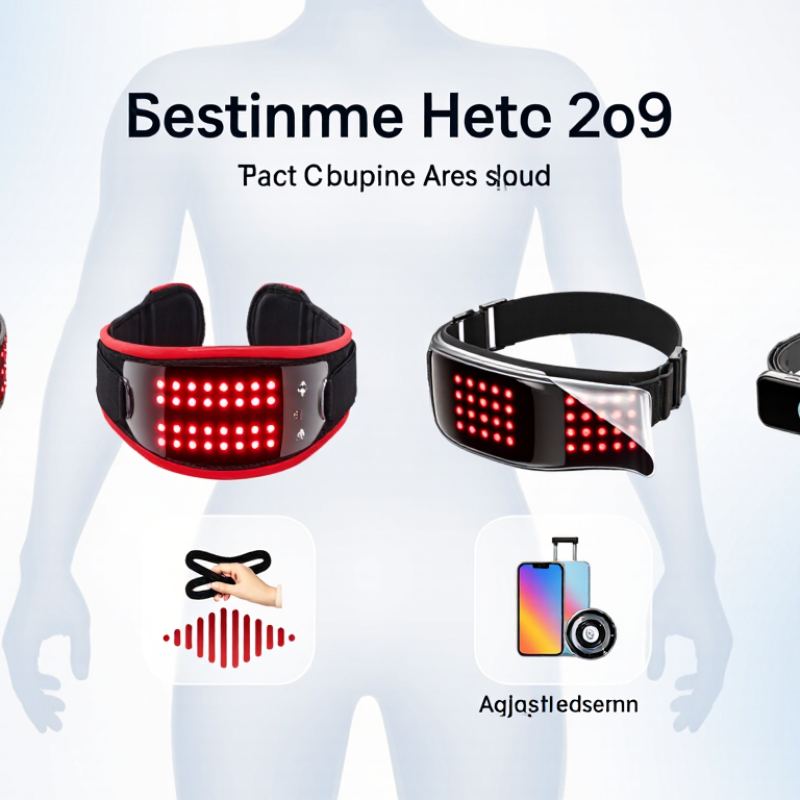
Choosing a Red Light Therapy Belt in 2026 requires more than comparing LED counts or polished product photos. The leading designs now include flexible wraparound belts, targeted abdominal belts, dual-wavelength models, and app-connected systems. Each type serves a different practical need. A flexible belt may follow the waist comfortably during a short evening session. A targeted model may feel more focused around the lower back or knee. However, more light does not automatically mean better results. Wavelength, irradiance, treatment time, fit, and build quality matter together.
Dr. Michael R. Hamblin, a leading photobiomodulation researcher, has described the principle clearly: “Photobiomodulation uses light to influence biological activity without heating tissue.” That distinction is important. A quality Red Light Therapy Belt should feel gently warm, not painfully hot. It should provide transparent technical specifications and clear safety guidance. Look for tested wavelengths, adjustable straps, eye-safety instructions, and realistic usage recommendations. Marketing claims can sound impressive. Evidence may be less certain.
This guide examines the top Red Light Therapy Belt types expected in 2026, comparing their construction, light delivery, comfort, portability, and intended use. Some categories overlap. That is worth remembering. A belt can be flexible and dual-wavelength at the same time. Personal comfort may also influence consistency more than advanced features. A technically impressive device may remain unused in a drawer. The best choice is not always the most expensive one. It is the model that fits your body, routine, and evidence-based expectations. There is still room for better research.
Definition and Core Features of Red Light Therapy Belts
What Are the 2026 Top Red Light Therapy Belt Types?
A red light therapy belt is a flexible wearable device that places LED light across the waist, back, shoulder, or limb. It delivers selected wavelengths to the skin for controlled photobiomodulation. Most systems use red light near 630–660 nanometres and near-infrared light near 810–850 nanometres. Red light mainly targets surface tissue, while near-infrared light may reach deeper areas. Wavelength is important. It is not the only factor.
The main 2026 belt types include single-zone wraps, multi-zone panels, and cordless adjustable belts. Single-zone models suit focused areas, such as the lower back. Multi-zone belts cover the abdomen and hips with overlapping LED sections. Cordless designs improve movement, but battery weight can affect comfort.
Core features should include measured irradiance, session timing, wavelength disclosure, heat control, and secure fastening. A bright belt is not automatically a stronger belt.
Grand View Research’s photobiomodulation market analysis identifies rising demand for non-invasive wearable devices, while MarketsandMarkets projects continued growth in light-based therapy technologies through the decade. These reports indicate expanding interest, not guaranteed clinical outcomes.
The World Association for Laser Therapy stresses dose, wavelength, and treatment consistency. Users should check energy density, often stated in joules per square centimetre, rather than judging performance by LED count.
Some product specifications remain unclear. That deserves scrutiny. A belt with uneven contact may leave visible gaps, especially around the spine and waist.
Professional guidance remains sensible for people with photosensitivity, implanted medical devices, or ongoing treatment.
How Red Light Therapy Belts Work on the Body
Red light therapy belts are wearable panels designed to deliver low-level red and near-infrared light to the body. In 2026, common types include flexible wrap belts, rigid segmented belts, and narrow targeted bands. Each design distributes light differently across the waist, abdomen, or lower back. No ultraviolet light is involved.
When LEDs rest near the skin, photons enter superficial tissues. Some near-infrared light may reach deeper structures, depending on wavelength, skin tone, tissue thickness, and device design. Cells can absorb this light through mitochondrial photoacceptors, including cytochrome c oxidase. Researchers associate this process with cellular energy signaling and possible changes in inflammation. Users may feel gentle warmth or temporary muscle comfort after a session. Results differ. A comfortable session does not prove healing.
Belt quality depends on wavelength accuracy, irradiance, dose, contact, and treatment time. A brighter device is not automatically better. Look for measured specifications rather than dramatic promises. Avoid using a belt on broken or irritated skin. Follow eye-safety instructions carefully. People taking photosensitizing medicines or managing light-sensitive conditions should consult a qualified clinician first. Evidence remains promising but uneven, especially for fat reduction and long-term pain relief. I would treat those claims cautiously, record skin reactions, and stop if discomfort develops.
What Are the 2026 Top Red Light Therapy Belt Types?
How red light therapy belts work on the body: a practical comparison of common belt designs, light ranges, applications, and usage considerations
| Red Light Therapy Belt Type | Typical Light Range | How It Works on the Body | Common Coverage Area | Typical Use Profile | Key Advantages | Important Considerations |
|---|---|---|---|---|---|---|
| Visible Red-Light Belt | Approximately red light in the 620–700 nm range | Visible red light is absorbed mainly near the skin surface. It may influence cellular signaling and support processes associated with skin appearance, local circulation, and tissue recovery. | Waist, abdomen, lower back, shoulders, arms, or legs | Often selected for surface-level skin and soft-tissue applications. Treatment times commonly range from about 10–20 minutes, depending on irradiance and device instructions. | Suitable for relatively shallow targets; usually produces less heat than traditional heating pads. | Visible red light does not penetrate as deeply as near-infrared light. Results vary with wavelength, dose, distance, and consistency of use. |
| Near-Infrared Belt | Approximately 700–1,100 nm; many devices use wavelengths around 810–850 nm | Near-infrared light generally penetrates farther into tissue than visible red light. It may interact with cellular photoacceptors and influence signaling related to energy production and inflammatory responses. | Lower back, hips, knees, thighs, abdomen, or other larger muscle areas | Commonly used when the intended target is deeper soft tissue. Sessions frequently fall within the 10–20 minute range, but the correct dose depends on the device. | Greater potential depth than visible red light; useful for larger muscle and joint regions. | Near-infrared light is invisible, so visual brightness is not a reliable indicator of output. Eye protection and manufacturer instructions should be followed. |
| Dual-Wavelength Red and Near-Infrared Belt | Usually combines visible red wavelengths with near-infrared wavelengths, commonly within approximately 630–660 nm and 810–850 nm | The combination is designed to address both superficial skin or soft tissue and somewhat deeper tissue in the same treatment area. | Full waist, lower back, abdomen, hips, thighs, or shoulders | A versatile option for users seeking broad coverage. Treatment duration is determined by total irradiance and recommended energy dose rather than wavelength alone. | Combines two commonly studied wavelength regions and can provide more flexible coverage. | Higher light output is not automatically better. Excessive exposure may cause warmth or temporary skin irritation, while underpowered devices may provide little measurable dose. |
| Flexible LED Panel Belt | Commonly uses red, near-infrared, or both; exact wavelengths differ by design | Light-emitting diodes distribute light across a flexible surface. The belt conforms to the body, helping maintain a relatively consistent distance from the treatment area. | Abdomen, lower back, waist, arms, thighs, or calves | Well suited to hands-free sessions while seated or standing. Regular use is generally more important than occasional long sessions. | Flexible fit, broad contact area, low operating noise, and usually modest heat compared with heat-based wraps. | Curved or loose-fitting areas may receive uneven illumination. Check whether the published specifications include irradiance, wavelength, and treatment distance. |
| Wraparound Compression-Style Belt | May include visible red light, near-infrared light, or both | The wraparound structure holds the light source close to the body. Some designs also provide gentle mechanical support, but light therapy and compression are separate physical effects. | Waist, abdomen, lower back, hips, knees, or limbs | Used when close positioning and body contouring are priorities. Fit should be secure without restricting breathing, circulation, or normal movement. | Close placement can reduce the effect of distance on delivered light and may improve positioning consistency. | Do not treat compression as proof of greater light penetration. Avoid overly tight use, especially in people with circulation problems or reduced sensation. |
| Targeted Joint or Muscle Belt | Often emphasizes near-infrared wavelengths, sometimes combined with visible red light | The smaller treatment area concentrates the device over a specific joint or muscle region. Light-based effects are local and should not be interpreted as whole-body treatment. | Knees, elbows, shoulders, wrists, calves, or localized back muscles | Useful for focused, repeatable sessions on a selected area. A stable fit and consistent alignment are important for comparable treatments. | Portable and easier to position precisely than a large full-body belt. | Coverage is limited. Persistent pain, swelling, weakness, numbness, or restricted movement should be assessed by a qualified healthcare professional. |
| Rechargeable Portable Belt | Red, near-infrared, or dual-wavelength output depending on the device | Battery-powered LEDs provide photobiomodulation without requiring a continuous wall connection. The biological mechanism is still determined by wavelength and delivered dose, not by battery operation. | Lower back, abdomen, shoulders, legs, or other portable-use areas | Designed for travel or flexible routines. Battery capacity, charging time, session controls, and output stability affect practical usability. | Convenient, cable-free, and suitable for routine use in different locations. | Battery-powered operation does not guarantee adequate irradiance. Look for independent electrical safety information and clear output specifications. |
| Heat-Plus-Light Belt | Red and/or near-infrared light combined with a separate warming function | Light exposure and thermal warming act through different pathways. Heat may temporarily increase comfort and local blood flow, but it should not be confused with the photobiomodulation effect of red or near-infrared light. | Abdomen, lower back, hips, or large muscle groups | Selected by users who want both light exposure and warmth. Temperature controls and automatic shutoff are important for safer use. | Provides adjustable warmth in addition to light-based treatment. | Heat can increase the risk of burns, overheating, or skin irritation. Use extra caution with reduced heat sensation, circulation disorders, fever, or heat-sensitive conditions. |
Reading the specifications: Wavelength, irradiance, treatment distance, and exposure time determine the delivered dose. Red light therapy is also called photobiomodulation; it is non-ionizing light and should not be treated as a replacement for diagnosis or medical care. Follow the device instructions, protect the eyes when directed, and seek professional advice for pregnancy, photosensitivity, light-sensitive medication, implanted electronic devices, unexplained symptoms, or ongoing medical conditions.
Major Types of Red Light Therapy Belts in 2026
Flexible wrap belts are the most common red light therapy belt type in 2026. They curve around the waist, knee, shoulder, or lower back. Elastic straps improve contact, but uneven tension can create dark treatment gaps. Rigid-panel belts offer more stable spacing and usually include a wired controller. They suit seated home sessions, especially when consistent positioning matters. Battery-powered belts improve portability. However, battery capacity, heat, and charging cycles can limit longer treatments. The numbers are not everything.
A second major category combines red light with near-infrared light. Red wavelengths often range from 630–660 nanometers, while near-infrared systems commonly use 810–850 nanometers. Buyers should check irradiance, treatment distance, timer control, and published testing. A 2024 Grand View Research report valued the global photobiomodulation market at approximately USD 1.1 billion in 2023, reflecting growing interest in light-based devices. Fortune Business Insights also projects continued market expansion through the decade, although category definitions vary between reports. That inconsistency deserves caution. Clinical evidence also depends on dose, wavelength, and treatment schedule, not belt appearance alone. Devices with adjustable intensity can help users begin conservatively. Yet “more powerful” is not automatically better. Independent electrical safety testing and clear usage instructions remain practical markers of reliability. Research gaps still exist, particularly for long-term home use and different skin conditions.
Key Differences in Coverage, Wavelengths, and Design
What Are the 2026 Top Red Light Therapy Belt Types?
Key Differences in Coverage, Wavelengths, and Design
In 2026, red light therapy belts differ most in coverage, wavelength choice, and physical design. Narrow belts target the lower back or abdomen with concentrated panels. Wider wraparound models reach more skin, but their intensity may vary near the edges. Some use flexible LED strips, while others use small rigid modules. In practical use, a belt that stays flat against clothing performs more consistently than one that shifts during movement. Fit matters more than impressive panel counts.
Most current belts combine visible red light, commonly around 630–660 nanometres, with near-infrared light around 810–850 nanometres. These ranges are not interchangeable. Manufacturers should clearly state each output. A higher wavelength number does not automatically mean better results. Check irradiance, treatment distance, timer accuracy, and measured output, not only marketing language. Evidence remains mixed for several wellness uses. Personal responses also vary. That uncertainty deserves honest labeling.
Design details shape daily use. Rechargeable belts help during travel, while wired models may provide steadier power. Ventilated fabric can reduce warmth, although thick padding may weaken skin contact. Adjustable straps prevent slipping, but overly tight belts create discomfort. Look for washable covers, protected cables, and automatic shutoff. A lighter belt may feel preferable, yet its edge illumination can be uneven. That trade-off is easy to overlook. Good design remains a compromise, not a guarantee.
How to Choose a Suitable Red Light Therapy Belt Type
Red light therapy belts generally fall into flexible wraps, semi-rigid panels, and rechargeable models. Flexible wraps fit the waist, knees, or shoulders more closely. Rigid belts usually cover a wider area but may feel heavy during movement. A 2024 Grand View Research report estimated the broader light therapy market at about USD 1.1 billion in 2023, with continued growth expected through 2030. That growth makes careful product comparison more important.
Check the wavelength before the appearance. Many professional photobiomodulation studies examine red light near 630–660 nanometers and near-infrared light near 810–850 nanometers. Ask for measured irradiance, not only “high power” wording. Treatment time depends on irradiance and distance. More is not automatically better. A belt with adjustable intensity may suit sensitive skin or first-time users. Look for even LED placement, clear instructions, overheating protection, and a secure closure. Rechargeable batteries improve portability, but check operating time at the highest setting.
A practical mistake is choosing the widest belt first. I would measure the target area and consider sitting posture, clothing, and cleaning. Comfort affects regular use. It really does. The evidence is promising, yet protocols differ between studies, and home devices are not identical to clinical equipment. Avoid belts making guaranteed medical claims. Review published testing, warranty terms, and independent safety information before paying. The perfect type may still be the one you can use consistently.
What Are the 2026 Top Red Light Therapy Belt Types?
The most practical belt categories are flexible red-light belts, dual-band red and near-infrared belts, near-infrared-focused wrap belts, and compact targeted straps. The chart shows representative nominal wavelengths commonly used in photobiomodulation devices. Wavelength values are not a ranking of performance; verify irradiance, treatment area, fit, and safety documentation before choosing.
A suitable option when surface-level red light around 630–660 nm is the main requirement.
Combines visible red light with near-infrared light, commonly around 810–850 nm.
Designed for users prioritizing near-infrared output and broader wraparound coverage.
A compact choice for treating a smaller area with easier positioning and portability.
Common photobiomodulation wavelength ranges shown: red light approximately 630–660 nm and near-infrared light approximately 810–850 nm. Actual output depends on the device and should be confirmed in its technical specifications.
Skip to content
