
FAQS
7 Best Fish Meal Rendering Equipment Manufacturers
Fishmeal remains a strategic ingredient in aquaculture, livestock feed, and specialty nutrition markets. However, its quality begins long before grinding and drying. It starts with controlled rendering.
The FAO’s The State of World Fisheries and Aquaculture 2024 reported 185 million tonnes of global aquatic animal production in 2022. The report also noted that 89% was used for direct human consumption. This figure highlights a practical challenge: rendering plants must process suitable by-products efficiently, without compromising food safety or resource efficiency. According to IFFO market reports, global fishmeal production typically remains near five million tonnes annually, although weather, quotas, raw-material supply, and regional regulations create considerable variation. Small process errors matter.
This article examines seven leading Fish Meal Rendering Equipment manufacturers and the technologies behind their reputations. The comparison considers cooking systems, screw presses, centrifuges, dryers, evaporators, odor-control units, automation, energy use, and after-sales support. A reliable line should produce stable protein levels, manageable moisture, and consistent oil separation. It should also protect workers and reduce emissions through enclosed handling and effective treatment systems.
Not every impressive specification reflects real operating value. Factory trials, maintenance access, spare-part availability, and verified energy data deserve equal attention. Some manufacturers publish limited performance evidence. That gap requires careful questioning. The best supplier may not offer the largest machine. It may offer dependable throughput beside a clean, well-maintained processing floor. This guide therefore uses reported industry evidence, engineering considerations, and practical purchasing criteria rather than marketing claims alone.
What Fish Meal Rendering Equipment Manufacturers Provide
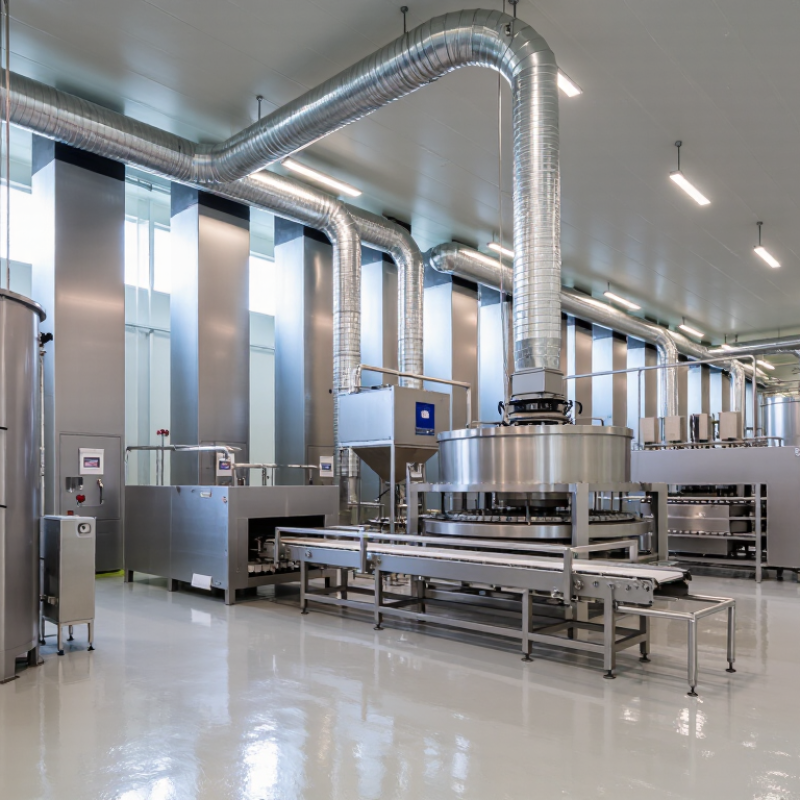
Fish meal rendering equipment manufacturers provide more than individual machines. They usually design a complete processing line for fish by-products, from receiving to final meal storage. Typical equipment includes cookers, screw presses, dryers, grinders, conveyors, and oil separators. Each unit must match the raw material’s moisture, fat content, and daily volume.
Experienced manufacturers often begin with a process assessment. They may review fish species, seasonal supply, factory space, steam capacity, and local environmental requirements. This practical step prevents costly sizing errors. A cooker that works well for oily fish may perform poorly with lean raw materials. Small details matter, including drainage slopes, inspection doors, insulation, and washable surfaces.
Many suppliers also provide installation guidance, operator training, commissioning tests, and spare parts planning. Automated temperature controls can stabilize cooking and drying conditions. Odor treatment systems may reduce nuisance emissions near the plant. Energy-saving dryers and heat recovery units can lower fuel use, although their payback depends on operating hours. Honest manufacturers should explain these limits clearly.
Quality support is important. Suppliers may offer laboratory checks for moisture, protein, oil, and product cleanliness. They can also recommend maintenance schedules for bearings, screens, pumps, and cutting parts. Yet no system is maintenance-free. Operators sometimes overlook cleaning around conveyors and ducts. That mistake can create odors, blockages, and uneven production. Reliable communication after delivery often matters as much as the original equipment design.
Key Technologies Used in Fish Meal Rendering Systems
7 Best Fish Meal Rendering Equipment Manufacturers
Key Technologies Used in Fish Meal Rendering Systems
Modern fish meal rendering systems depend on controlled heat, mechanical separation, and reliable moisture removal. Cooking equipment must heat raw fish evenly without excessive protein damage. Indirect steam cookers often provide better temperature control than direct heating. Operators should monitor product temperature, residence time, and steam pressure during each batch or continuous run.
Pressing technology separates liquid from the cooked material. Screw presses with adjustable pressure zones can improve cake dryness and reduce oil loss. A decanter centrifuge then removes fine solids from the liquid fraction. Centrifugal separation needs stable feed flow. Small changes can affect oil clarity and yield. Practical testing matters more than brochure figures.
Drying remains one of the most energy-sensitive stages. Rotary, disc, and ring dryers each suit different capacities and moisture targets. Temperature sensors, automatic control valves, and inline moisture monitoring help prevent over-drying. Protein can lose quality when heat exposure becomes too severe. That point is often underestimated. I would also inspect cleaning access, corrosion-resistant contact surfaces, and emergency shutdown systems before selecting equipment. Hygienic design supports dependable operation, although cleaning routines still require disciplined workers. No system is perfect. Poor calibration can waste energy, lower meal quality, and create inconsistent results. Reliable manufacturers should provide performance data, maintenance guidance, operator training, and documented testing under realistic feed conditions.
7 Best Fish Meal Rendering Equipment Manufacturers - Key Technologies Used in Fish Meal Rendering Systems
| Equipment System Profile | Primary Processing Stages | Core Technology | Typical Operating Range | Typical Capacity | Final Meal Moisture | Main Advantages |
|---|---|---|---|---|---|---|
| Profile 1: Standard Wet Rendering Line | Cooking, mechanical pressing, liquor separation, drying, grinding and packing | Continuous cooker with screw press and indirect steam dryer | Cooking commonly around 90–95°C; drying generally below 100°C product temperature | Approximately 1–10 tonnes of raw fish per hour | Typically 6–10% | Balanced production cost, reliable solids recovery and suitability for many fish species |
| Profile 2: Low-Temperature Quality Line | Gentle cooking, pressing, centrifugation, vacuum drying and cooling | Low-temperature vacuum dryer with short residence time | Product temperature commonly maintained below approximately 75–85°C during drying | Approximately 0.5–5 tonnes of raw fish per hour | Typically 6–9% | Helps limit heat damage and supports retention of protein quality and digestibility |
| Profile 3: High-Capacity Steam Line | Continuous cooking, multiple pressing units, centrifuge separation, steam drying and milling | Multi-stage steam-tube or disc drying with automated feed control | Steam supply commonly operated at approximately 4–8 bar, depending on plant design | Approximately 10–40 tonnes of raw fish per hour | Typically 6–10% | High throughput, efficient heat transfer and consistent moisture control |
| Profile 4: Direct-Drying Line | Cooking, pressing, hot-air drying, cooling and grinding | Direct hot-air or rotary drying with cyclone separation | Drying-air temperature may range from approximately 120–180°C; product temperature is lower | Approximately 1–15 tonnes of raw fish per hour | Typically 6–10% | Fast moisture removal and comparatively simple dryer construction |
| Profile 5: Integrated Oil-Recovery Line | Cooking, pressing, decanting, disc-stack centrifugation, drying and meal milling | Two-phase or three-phase centrifuges for separating oil, water and solids | Centrifuge feed is commonly conditioned near 90–95°C | Approximately 2–25 tonnes of raw fish per hour | Typically 6–10% | Improves fish-oil recovery and reduces residual fat in the finished meal |
| Profile 6: Small-Batch Modular System | Batch cooking, screw pressing, compact drying, grinding and manual or semi-automatic packing | Modular skids with batch cooker and compact indirect dryer | Cooking commonly around 85–95°C; drying controlled to reach safe storage moisture | Approximately 0.1–1 tonne of raw fish per hour | Typically 7–10% | Lower initial investment, flexible installation and easier capacity expansion |
| Profile 7: Energy-Efficient Emission-Controlled Line | Cooking, pressing, indirect drying, heat recovery, deodorization and dust filtration | Waste-heat recovery, closed vapor handling, scrubber and biofilter or odor-control unit | Drying conditions are automatically adjusted using temperature and moisture sensors | Approximately 5–30 tonnes of raw fish per hour | Typically 6–9% | Lower fuel consumption, improved workplace air quality and reduced odor emissions |
Note: Capacity, temperature and moisture values are typical engineering ranges. Actual performance depends on raw-fish species, incoming moisture, fat content, residence time, steam conditions and local process requirements.
How to Evaluate Fish Meal Rendering Equipment Manufacturers
Choosing among the 7 best fish meal rendering equipment manufacturers requires more than comparing catalog prices. Examine their practical experience with fish processing plants, especially facilities handling oily species, seasonal supply, and variable moisture. Ask for verified production data, not only laboratory results. A reliable manufacturer should explain capacity, heating efficiency, drying control, and expected meal quality in clear terms.
Inspect the equipment design closely. Stainless steel contact surfaces should resist corrosion and simplify cleaning. Check the cooker, press, dryer, grinder, odor-control system, and control cabinet as one process. Request energy figures per tonne of raw material. Small differences matter. Ask how the system manages bones, scales, and sudden changes in feedstock. A pilot test using similar raw material can reveal problems that brochures hide.
References deserve careful attention. Speak with operators, not only sales representatives, and ask about breakdown frequency, spare-part delivery, installation support, and training. Review documented safety procedures and applicable environmental compliance records. The best supplier may not offer the lowest quotation. Compare lifetime costs, maintenance access, warranty limits, and local technical support. One overlooked valve can stop an entire line. I would also inspect welds, seals, and inspection doors personally. Photographs are useful, but they are not proof. A manufacturer that admits design limitations often deserves more trust than one promising perfect performance.
Seven Notable Fish Meal Rendering Equipment Manufacturers
Choosing among the seven notable fish meal rendering equipment manufacturers requires more than comparing catalog prices. Each manufacturer usually specializes in a different production need. Some build complete rendering lines, while others focus on steam cookers, screw presses, dryers, or odor-control systems. A reliable supplier should provide clear capacity data, material specifications, energy estimates, and maintenance guidance.
Look for manufacturers offering stainless steel contact surfaces and corrosion-resistant components. Fish processing creates heat, salt, moisture, and demanding cleaning conditions. Equipment should also include stable temperature controls, adjustable pressing pressure, and easy access to wear parts. In factory visits, operators often mention small details, such as inspection doors, drain placement, and gearbox noise. These details affect daily reliability.
The strongest candidates usually provide factory testing and practical commissioning support. Ask for process references with similar raw material moisture and throughput. A dryer designed for oily fish may perform differently with mixed seasonal inputs. No machine is perfect. Even advanced systems can lose efficiency when operators overload the cooker or delay cleaning. That limitation deserves honest discussion.
A sound evaluation should compare lifecycle cost, not only purchase price. Spare-part availability, technician response time, training quality, and documented safety procedures matter greatly. Some manufacturers offer impressive automation, but complicated controls can become a weakness without trained staff. The best choice depends on measurable performance, realistic operating conditions, and the manufacturer’s willingness to explain inconvenient details.
7 Best Fish Meal Rendering Equipment Manufacturers
Fish meal plants typically use seven core equipment groups: receiving systems, cookers, presses, separators, dryers, evaporators, and grinders. The chart shows representative industrial throughput ranges commonly used when comparing equipment specifications. Actual capacity depends on raw-fish type, moisture content, oil yield, and plant configuration.
Factors That Influence Manufacturer and Equipment Selection
Selecting fish meal rendering equipment requires more than comparing catalog capacity. IFFO market data places global fishmeal production near five million tonnes annually, so reliability affects a large, resource-sensitive supply chain. FAO’s The State of World Fisheries and Aquaculture 2024 reports 185.4 million tonnes of global fisheries and aquaculture production in 2022. This scale increases pressure on processors to reduce losses, energy use, and wastewater loads.
Raw material condition should guide the manufacturer choice. Fresh whole fish, trimmings, and frozen inputs behave differently inside cookers and presses. Ask for test data using similar material. A practical trial should record steam consumption, press-cake moisture, oil recovery, and final meal moisture, often targeted near 8–10%. Capacity is not everything. A large dryer may perform poorly when feedstock changes hourly.
Energy efficiency deserves careful scrutiny. The International Energy Agency continues to identify industrial heat as a major energy-demand challenge, making dryer design and heat recovery important cost factors. Select equipment with insulated surfaces, controllable residence time, corrosion-resistant contact parts, and accessible cleaning zones.
Confirm local service response and spare-part availability before signing. I would not trust a promised efficiency figure without boundary conditions, maintenance assumptions, and independent testing. That assumption fails surprisingly often. Also compare lifecycle cost, not only purchase price; downtime beside a warm, idle cooker can erase a cheaper quotation quickly.
Skip to content
