
FAQS
Top Roller Blind Clutch Suppliers for Global Buyers
A Roller Blind Clutch may look like a small component, yet it affects how smoothly a blind lifts, stops, and stays in position. For global buyers, choosing a supplier means looking beyond a low unit price. The clutch must match the tube diameter, fabric weight, control side, and installation method. Small mismatches matter. A chain that slips or a mechanism that feels stiff can create complaints across an entire product line.
This guide explores suppliers through practical purchasing criteria, including product range, material consistency, sample evaluation, production capacity, and communication. Buyers should request clear specifications and check whether samples operate reliably with their intended tubes and fabrics. Ask about quality checks and realistic lead times, too. Catalog photos are not enough. Even a careful checklist can miss details, and supplier claims should be verified rather than taken at face value. That may sound cautious, but it can prevent costly rework. Global sourcing also brings differences in packaging, shipping schedules, and technical terminology, so precise written requirements help both sides. The aim is not to name one universal best supplier; no single option suits every project. Instead, the following overview offers a grounded way to compare potential partners and identify the questions worth asking before placing a larger order.
What Roller Blind Clutches Are and How They Work
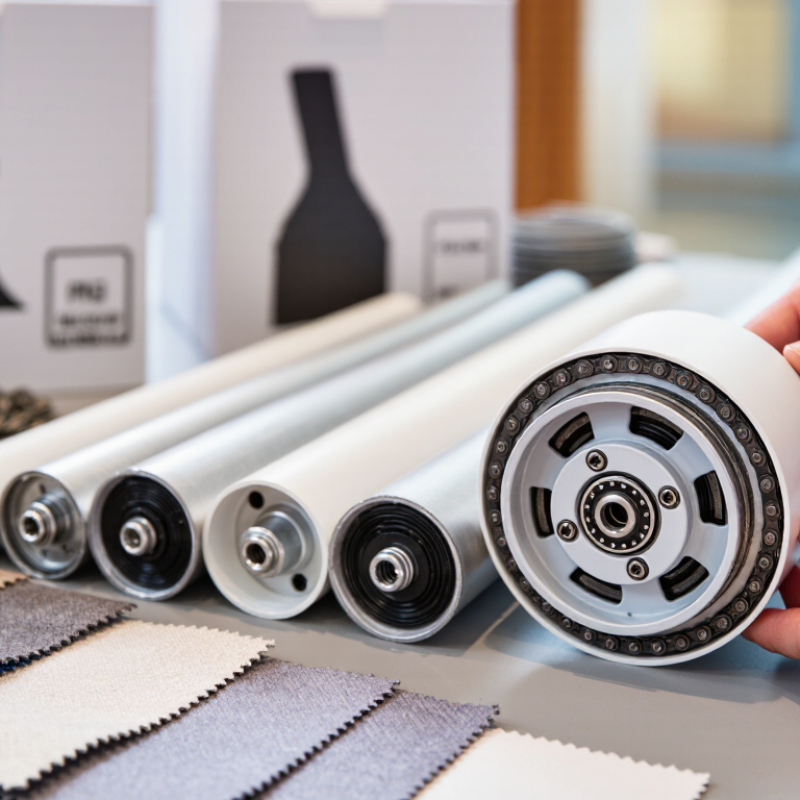
A roller blind clutch is the compact control unit fitted to one end of the roller tube. A beaded chain runs around its sprocket. Pulling one side turns the clutch gears, which rotate the tube and raise or lower the fabric. Releasing the chain lets the brake hold the blind at its chosen height.
Small part. Big job.
Clutches differ in gear ratio, load rating, tube fit, and control style. Buyers should match these details to the blind’s fabric weight and width, then check that the chain moves smoothly without slipping. The weak point is often overlooked: a clutch that fits the tube may still be poorly matched to the finished blind.
Grand View Research’s 2023 Window Coverings Market report valued the wider market at USD 30.46 billion in 2022 and forecast 4.1% annual growth through 2030. That figure covers window coverings broadly, not clutch sales, but it signals a substantial market where dependable parts matter. A small test installation can reveal issues that a specification sheet misses.
Main Clutch Types and Their Key Components
Roller blind clutches generally fall into chain-operated, spring-assisted, and motorized designs.
Chain-operated clutches are common for manual blinds. A beaded chain turns a sprocket wheel inside the housing, rotating the drive shaft and roller tube. Key parts include the housing, sprocket, shaft connector, chain, and mounting bracket.
Fit matters. The sprocket must match the chain bead size, while the connector must suit the tube profile. A mismatch can cause slipping, uneven movement, or premature wear.
Spring-assisted systems use an internal spring to help raise or balance the blind. Their main components include the spring, clutch mechanism, tube insert, and control hardware. Spring tension needs to match the blind’s weight; too little may leave fabric sagging, while too much can make control abrupt.
Motorized versions pair a clutch or drive assembly with a motor, adapter, and mounting hardware. Buyers should confirm tube diameter, fabric load, operating direction, and available space before selecting a type.
Ask suppliers for component drawings and cycle-test details. A smooth sample run helps, but it cannot reveal every issue after months of daily use.
How Global Roller Blind Clutch Suppliers Differ
Top Roller Blind Clutch Suppliers for Global Buyers
How Global Roller Blind Clutch Suppliers Differ
Suppliers differ in more than price and catalog size. Compare clutch torque ratings, chain compatibility, housing materials, and batch consistency. A clutch that turns smoothly without a load may slip when supporting a wide, heavy blind. Ask how suppliers test performance and track production batches. The details matter.
Grand View Research’s 2023 window coverings market report estimated the global market at USD 31.4 billion in 2022, with projected growth of 7.6% annually from 2023 to 2030. This covers window coverings broadly, not roller blind clutches alone. Still, expanding demand makes dependable specifications and delivery planning useful buying criteria. Check sample units against production parts; a polished sample cannot prove every batch will match. No single test tells the whole story.
Tips: Request a data sheet, chain-size confirmation, and lifecycle test results. Test a sample on your actual tube and fabric weight. Ask for lead times in writing, too.
Criteria for Evaluating Suppliers and Product Quality
A dependable roller blind clutch should match the tube, fabric weight, and control method—not just the product photo. Ask suppliers for dimensions, compatible tube sizes, rated load, and operating details. Check that the chain moves smoothly without slipping, while the clutch holds the blind at several positions. Small details matter. Excessive side play can cause uneven winding, and a rough pull may become tiring with daily use.
Evaluate samples under repeatable conditions. Record the load, number of operating cycles, and any changes in noise or holding strength. Ask how production batches are inspected and whether material or design changes are documented. Clear answers and consistent sample quality are useful signals, though neither guarantees long-term performance. No test captures every window. Installation alignment, dust, and frequent use can expose weaknesses that a short bench test misses. That is easy to overlook. A small pilot order can reveal fit issues before a larger purchase. Also review packaging, replacement-part availability, and response times for technical questions. Reliable suppliers should explain limitations plainly, not promise that one clutch suits every blind.
Top Roller Blind Clutch Suppliers for Global Buyers - Criteria for Evaluating Suppliers and Product Quality
Use this buyer evaluation matrix to compare suppliers without relying on brand names. The benchmarks below are practical screening targets, not universal specifications; confirm that each requirement suits the blind size, tube, operating method, and destination market.
| Evaluation Criterion | What to Check | Evidence to Request | Practical Screening Benchmark | Suggested Weight |
|---|---|---|---|---|
| Load and torque capacity | Whether the clutch is specified for the blind’s fabric weight, dimensions, tube diameter, and operating configuration. | A product specification stating the compatible tube sizes and maximum recommended blind dimensions or load; sample test results for the intended assembly. | The assembled blind should raise, lower, and hold its position under the declared operating load without slipping or uncontrolled movement. | 20% |
| Operating smoothness | Consistent chain movement, manageable operating force, and minimal sticking, noise, or backlash. | Samples tested in a complete blind assembly, plus the supplier’s inspection method for operating force and function. | Movement should remain smooth through the full travel range, with no jamming or sudden loss of control during repeated operation. | 12% |
| Cycle durability | Wear or functional changes after repeated raising and lowering under a representative load. | A documented cycle-test method, test load, sample configuration, cycle count, and pass/fail results. | A buyer-defined initial screen of 5,000 complete operating cycles can help compare samples; agree in advance on acceptable wear and failure criteria. | 15% |
| Materials and construction | Housing strength, gear and pinion construction, chain-wheel wear, and resistance to cracking or deformation in the intended environment. | Material declarations, component drawings, production specifications, and samples from normal production rather than specially prepared prototypes. | Materials and construction should be consistent with the stated load, indoor or outdoor exposure, and expected service conditions. | 10% |
| Fit and compatibility | Compatibility with tube diameter, brackets, chain type, end plug, and the buyer’s assembly process. | Dimensioned drawings, tolerances, a compatibility list, and fit-check samples for each required configuration. | Critical dimensions should match approved drawings, and samples should install without forced adjustment or unapproved modifications. | 10% |
| Safety and market requirements | Applicable requirements for the finished blind system, including chain or cord safety requirements in the destination market. | Current test reports or compliance documentation identifying the tested product, configuration, issuing body, and applicable market or standard. | Verify requirements for the finished window covering—not just the clutch component—and confirm documents apply to the supplied configuration. | 10% |
| Quality control and consistency | Inspection of incoming materials, in-process dimensions, functional performance, and final packed goods. | Written inspection plan, sample inspection records, defect classification, corrective-action process, and lot-level results. | Agree on measurable acceptance criteria and a sampling plan before the first order; require corrective action for repeated or critical defects. | 10% |
| Traceability and change control | Ability to identify production lots and notify buyers before changes to materials, dimensions, tooling, or manufacturing location. | Lot-code examples, production records, written change-notification procedure, and retained-sample policy. | Each shipment should be traceable to a production lot, with material or design changes approved before implementation. | 5% |
| Supply capability and communication | Quoted lead time, minimum order quantity, capacity for repeat orders, sample turnaround, and response to technical questions. | Written quotation, production schedule, capacity statement, sample plan, and named quality or technical contact role. | Compare stated lead times and order terms against your purchasing plan; confirm schedules using a trial order before scaling up. | 5% |
| Packaging and export readiness | Protection against transit damage, correct carton quantities, clear product identification, and shipment-document accuracy. | Packaging specification, carton markings, pre-shipment photos, and confirmation of export documentation requirements. | Approve packaging on a sample shipment and check that labeling, quantities, and documents match the purchase order and destination requirements. | 3% |
| Total Suggested Evaluation Weight | 100% | |||
Comparison method: Score each criterion from 1 (does not meet requirements) to 5 (fully supported by verified evidence), multiply by its suggested weight, and compare approved samples before placing a production order.
Sourcing, Compliance, and Shipping Across Markets
Global buyers should assess roller blind clutch suppliers on torque consistency, cycle testing, and batch traceability—not unit price alone. Ask for samples across production lots, dimensional tolerances, material details, and documented inspection results. The World Bank’s Connecting to Compete 2023 report puts average end-to-end shipment time at 44 days, with a 10.5-day standard deviation. That variation makes production buffers important. A low quote can still be costly.
Compliance depends on the finished blind, destination, and installation type. Check whether relevant requirements include EN 13120 and the cord-safety standards EN 16433 and EN 16434 in Europe, or ANSI/WCMA A100.1 in the United States. Confirm what each test covers; a component test does not automatically certify the assembled product. One overlooked detail is packaging: a clutch can arrive damaged even when its test report looks sound.
For shipping, compare quoted Incoterms, carton dimensions, export documents, and replacement-part lead times. UNCTAD’s Review of Maritime Transport 2024 reported global container freight rates rose about 150% between October 2023 and June 2024, underscoring the value of checking current freight quotes and shipment windows.
Tips: Request a pre-shipment photo of labeled cartons, clutch models, and packing protection. Then verify the details against your purchase order.
Skip to content
