
FAQS

Top Scenic City Cars for Global Buyers?

Choosing the right car for a scenic city requires more than admiring glossy photographs. Scenic City Cars must handle narrow historic lanes, steep viewpoints, crowded markets, and sudden weather changes. A model that feels effortless on a coastal road may become awkward in a tight underground car park.

This guide examines practical choices for global buyers, using manufacturer specifications, independent safety assessments, owner experiences, and real urban driving considerations. Key factors include exterior width, turning radius, seating comfort, visibility, fuel or charging access, luggage space, and repair support. These details matter when a vehicle faces stone streets in Lisbon, hills in Cape Town, or heavy traffic near Tokyo’s waterfront.

Small hatchbacks often offer confidence where larger SUVs create stress. However, compact size can reduce rear-seat room and highway comfort. Electric cars bring quiet acceleration and smooth city driving, yet charging availability differs widely between neighborhoods and countries. Hybrid models can be more flexible, though their pricing and maintenance needs require careful comparison.

There is no perfect global winner.

Personal priorities remain decisive. A photographer carrying tripods may value a large tailgate, while a couple exploring old city centers may prefer simple parking and low running costs. I may favor efficient, compact vehicles, but that preference is not universal. Road quality, climate, local service networks, and ownership budgets can change the result.

The following selection focuses on balanced, credible recommendations rather than fashionable badges. Each option deserves a closer look before purchase. Scenic journeys are memorable, but dependable everyday use matters even more.
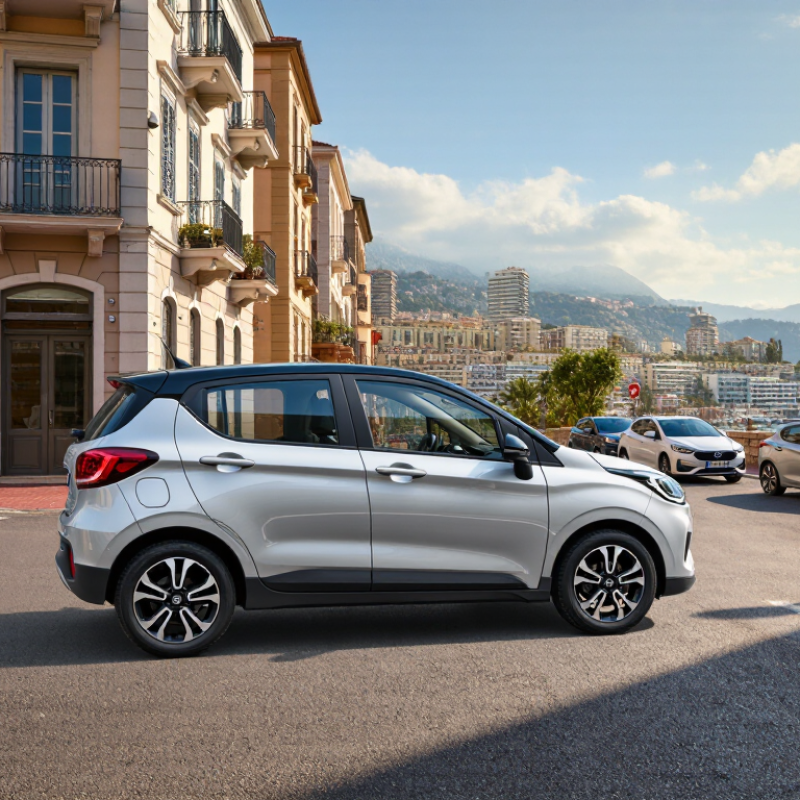
Top Scenic City Cars for Global Buyers?

Defining Scenic City Cars and Their Core Features

Top Scenic City Cars for Global Buyers?

Defining Scenic City Cars and Their Core Features

A scenic city car is a compact vehicle designed for urban streets, short trips, and enjoyable views. It should feel easy to place on narrow roads. Clear outward visibility matters more than dramatic styling. A raised seating position can help drivers read traffic, curbs, and cyclists earlier. Large windows and slim roof pillars also reduce blind spots.

Core features include a tight turning circle, light steering, and predictable braking. Efficient energy use is important in congested areas. Electric, hybrid, and small petrol models can suit different markets and charging conditions. Buyers should check local road quality, parking spaces, climate, and repair support. A car that works well in one city may feel unsuitable elsewhere. I once underestimated how tiring a firm suspension could feel on uneven streets. Comfort deserves careful testing.

Tips: Sit in the driver’s seat before buying. Check every mirror. Test the rear visibility. Drive over rough pavement. Measure your usual parking space. Ask about battery performance in hot or cold weather. Keep luggage space realistic. Scenic driving often includes sudden stops, steep lanes, and crowded viewpoints. Safety systems should assist, not replace attention. Some compact cars feel agile but offer limited cabin storage. That compromise can be acceptable, but only after a real inspection.

Top Scenic City Cars for Global Buyers? — Defining Scenic City Cars and Their Core Features

Typical midpoints from publicly published specifications across global vehicle classes. Smaller dimensions and tighter turning circles generally improve maneuverability in dense urban streets.

Microcars offer the strongest space advantage, while small hatchbacks and crossovers provide more passenger and luggage capacity with a modest increase in urban footprint.

Key Factors for Global Buyers to Compare

Choosing a scenic city car for global use requires more than attractive photographs. I compare cabin width, turning radius, ground clearance, and visibility in real streets. A narrow body helps in historic lanes, while firm suspension can feel harsh on broken roads. Check whether the driving position suits your country’s traffic direction. Also confirm local safety certification, lighting rules, charging standards, and registration requirements before buying.

Tips: Measure your usual parking space. Test the rear seats with luggage inside. Ask for service intervals, warranty terms, and parts availability in your region. A quiet electric system may suit dense cities, but battery performance can change in cold climates. Petrol models may travel farther between stops, though fuel costs and emissions rules vary widely. Small details matter.

My own comparison mistake was focusing too heavily on fuel economy. A car with excellent figures still felt tiring after an hour because the seat offered limited support. Road testing should include steep streets, rough surfaces, tight turns, and slow traffic. Inspect door seals and air conditioning in humid regions. Review independent crash-test data and official technical documents, not only seller claims. Resale value also deserves attention, especially where imported vehicles have limited repair networks. A beautiful city car is not automatically a practical global car.

Top Scenic City Cars by Region and Market

Top Scenic City Cars for Global Buyers

City cars feel different across regions. In Europe, narrow streets and limited parking reward short bodies, tight turning circles, and efficient charging. The International Energy Agency reported over 17 million electric cars sold worldwide in 2024, exceeding one-fifth of global car sales. Yet urban buyers still need practical range, not impressive laboratory figures.

In East Asia, dense traffic favors compact dimensions, strong air conditioning, and clear visibility. In North America, buyers may prefer larger cabins because suburban trips are longer. Latin American markets often demand durable suspension and affordable servicing for uneven roads. In the Middle East, heat-resistant batteries and powerful cooling systems deserve careful attention. These differences matter when choosing a car for coastal roads, historic centers, or steep scenic routes. A beautiful viewpoint means little with poor ground clearance.

Tips: Check real-world range reports from independent testing groups, not only official figures. Review Euro NCAP or regional safety-test results. Measure your parking space before buying. Also inspect charging access at home and nearby workplaces.

The IEA notes that public charging networks continue expanding, but growth remains uneven between countries. That makes regional research essential. A small battery can be sensible in compact cities, while rural touring needs more reserve. I sometimes overvalue elegance in city cars. Quiet suspension and easy controls may matter more than panoramic glass. Even expert comparisons can miss local traffic habits.

Top Scenic City Cars for Global Buyers? - Top Scenic City Cars by Region and Market

Region Representative Market Best-Fit City-Car Format Typical Powertrain Typical Length Typical Width Turning Circle Urban Energy Use Typical Cargo Volume Scenic-Driving Advantage
Western Europe Dense historic cities and coastal towns Compact hatchback or small electric hatchback Petrol, hybrid, or battery-electric 3.60–4.05 m 1.62–1.80 m 9.5–11.0 m 4.5–7.0 L/100 km or 14–19 kWh/100 km 250–380 L Narrow streets, low-emission zones, and short hillside routes
Japan Major metro areas and compact regional towns Ultra-compact tall hatchback or kei-style vehicle Small petrol engine or compact hybrid 3.40–3.95 m 1.48–1.70 m 8.5–10.0 m 3.5–5.5 L/100 km 150–350 L Exceptional maneuverability on narrow lanes and compact parking spaces
South Korea Large metropolitan areas and urban suburbs Small hatchback or compact urban crossover Petrol, hybrid, or battery-electric 3.60–4.20 m 1.60–1.80 m 9.5–11.0 m 4.5–6.5 L/100 km or 15–19 kWh/100 km 260–430 L Useful balance of compact parking dimensions and motorway comfort
China High-density cities and rapidly expanding urban districts Small electric hatchback or compact electric crossover Battery-electric, with petrol and hybrid options 3.40–4.20 m 1.55–1.80 m 8.8–10.8 m 11–17 kWh/100 km or 5.0–7.0 L/100 km 180–380 L Quiet, low-speed travel with strong suitability for dense urban traffic
Southeast Asia Thailand, Indonesia, Malaysia, Vietnam, and the Philippines Small hatchback, compact MPV, or raised urban hatchback Petrol, hybrid, and increasingly battery-electric 3.70–4.30 m 1.65–1.82 m 9.5–11.2 m 5.0–7.5 L/100 km or 15–20 kWh/100 km 250–450 L Ground clearance, air-conditioning efficiency, and flexible passenger space
India Congested metros and growing tier-two cities Narrow hatchback or compact high-roof city car Petrol, compressed natural gas, or battery-electric 3.40–4.00 m 1.55–1.75 m 8.8–10.5 m 4.5–7.0 L/100 km or 14–18 kWh/100 km 180–350 L Easy maneuvering, efficient cooling, and tolerance of uneven urban roads
Middle East Hot, spacious cities with long arterial roads Small crossover or compact sedan with strong air conditioning Petrol, hybrid, or battery-electric 3.90–4.50 m 1.70–1.85 m 10.0–11.5 m 6.0–9.0 L/100 km or 16–22 kWh/100 km 300–500 L Comfortable cabin cooling, stable highway driving, and moderate clearance
North America Compact downtown areas and suburban commuting Subcompact crossover or small hybrid hatchback Hybrid, petrol, or battery-electric 4.00–4.50 m 1.72–1.85 m 10.2–11.5 m 5.5–8.0 L/100 km or 16–21 kWh/100 km 350–550 L Better visibility, luggage capacity, and long-distance flexibility than microcars
Latin America Dense capitals, hilly cities, and mixed-quality urban roads Subcompact hatchback or small raised hatchback Petrol, flex-fuel, hybrid, or battery-electric 3.70–4.30 m 1.65–1.82 m 9.5–11.0 m 5.5–8.0 L/100 km or 15–20 kWh/100 km 250–420 L Useful clearance, compact dimensions, and confident driving on steep streets
Australia and New Zealand Coastal cities, regional roads, and suburban travel Small crossover or efficient compact hatchback Hybrid, petrol, or battery-electric 4.00–4.50 m 1.72–1.85 m 10.2–11.5 m 5.0–8.0 L/100 km or 16–21 kWh/100 km 300–500 L Ride height, open-road stability, and practicality for scenic coastal routes

Data note: Figures are representative ranges for currently available city-car and subcompact segments in each market. Dimensions exclude mirrors; energy-use figures vary by vehicle configuration, driving cycle, temperature, traffic, and terrain.

Safety, Efficiency, Comfort, and Urban Performance

Top Scenic City Cars for Global Buyers

Safety should lead any city-car comparison, especially where traffic patterns vary by country. Look for strong independent crash-test results, reliable automatic emergency braking, clear blind-spot warnings, and stable handling during sudden lane changes. A high seating position can improve visibility, but it may also increase body movement on narrow corners. Check rear-seat child anchors and braking performance in wet conditions. Local safety rules still matter.

Efficiency becomes practical when measured against daily routines. A small petrol engine may suit regions with limited charging access, while an electric model can reduce noise and running costs in dense streets. Real energy use often differs from official figures. Heat, cold weather, hills, and heavy air-conditioning can change the result. Keep that in mind. A tight turning circle, light steering, and predictable acceleration make parking and crowded intersections less stressful. Modest ground clearance also helps on uneven urban roads.

Comfort is more than soft seats. A supportive driving position, simple controls, good ventilation, and low cabin noise can prevent fatigue after repeated short trips. Door openings should suit narrow parking spaces, while rear passengers need usable legroom. Some compact cars feel nimble but become tiring on rough pavement. That trade-off deserves a careful test drive. I would also inspect luggage access, charging or fuel convenience, and visibility at night before making a global purchase.

Ownership Costs, Availability, and Long-Term Value

Top Scenic City Cars for Global Buyers?

Scenic city cars are judged by visibility, turning ease, and quiet comfort. Ownership cost decides whether that appeal lasts. AAA’s 2024 Your Driving Costs report estimates average annual vehicle ownership at 12,297 US dollars, including depreciation, fuel, insurance, maintenance, and finance charges. Small cars usually reduce fuel and parking expenses, but depreciation can still dominate the budget. A low purchase price is not automatically good value.

Availability varies sharply between markets. IEA’s Global EV Outlook 2024 recorded more than 14 million electric car sales worldwide in 2023, with electric vehicles reaching about 18% of new sales. However, charging access remains uneven outside major cities. Buyers should check local repair networks, parts supply, warranty rules, and winter performance. A beautiful car stranded outside a service region is not practical.

Long-term value also depends on durability and resale demand. S&P Global Mobility reported that the average US vehicle age reached 12.6 years in 2024. That suggests buyers are keeping vehicles longer, making corrosion protection, battery warranties, and affordable replacement parts increasingly important. My own assessment would favor simple controls and proven mechanical systems, though that preference can overlook newer safety technology. Check real insurance quotes before purchase. Check them twice. A scenic route feels better when unexpected ownership bills stay manageable.