
FAQS
Top 10 Snus Display Solutions for Retail Buyers
Snus Display Solutions must do more than hold products. They need clear labels, steady stock, and a tidy footprint. Retail buyers also need displays that fit the store’s layout and make product information easy to read. Small details matter: shelf height, lighting glare, price visibility, and the distance between products can change how shoppers navigate a fixture.
Industry evidence offers useful context, though it is not snus-specific. The 2012 POPAI Shopper Engagement Study reported that 76% of purchase decisions were made in-store. That finding is dated and covers broader retail categories, so it should not be treated as a current snus benchmark. Still, it highlights why display design deserves careful evaluation. NielsenIQ’s retail measurement work likewise emphasizes the value of understanding shopper and store-level performance; buyers should test layouts against their own sales and compliance data rather than assume one format will work everywhere.
Retail anthropologist Paco Underhill is often credited with the concise observation, “Retail is detail.” The phrase suits display planning, but it is not a substitute for measured results. A narrow counter unit may save space, yet leave labels difficult to see. A larger fixture may look polished, but create restocking problems. There is no universal winner. This guide compares ten Snus Display Solutions by visibility, capacity, materials, and practical upkeep, while acknowledging that store conditions vary. Some recommendations may need revision after real-world testing.
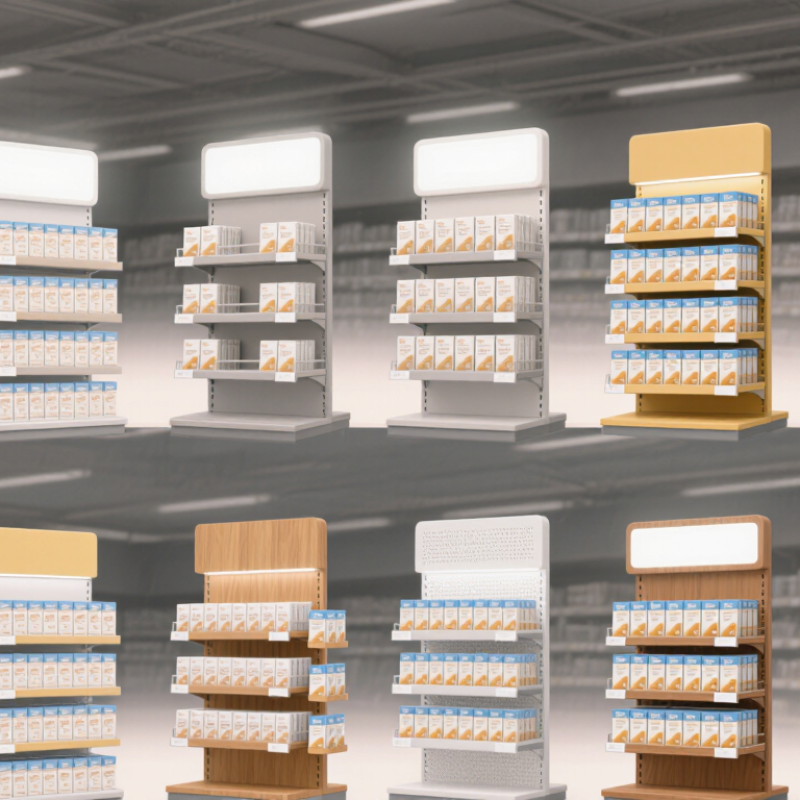
Snus Retail Displays: Product Formats, Buyer Needs, and Store Constraints
Retail buyers need displays that match product formats, staff routines, and store limitations. A countertop tray suits small assortments and quick replenishment. A tiered riser improves visibility without using much shelf depth. Wall racks create vertical capacity in narrow stores. Locking cabinets support controlled access where local rules require it. Every format should keep labels visible and products organized.
The remaining useful options include drawer units, gravity-feed dispensers, shelf-ready cartons, pegboard modules, rotating carousels, and back-stock bins. Drawer units protect reserve inventory from dust and handling. Gravity-feed designs help staff rotate older stock forward. Pegboard modules adapt to changing package sizes. Rotating units work well near service counters, but they need a stable base. I have seen compact displays become crowded quickly.
Store constraints often decide the purchase. Measure shelf depth, counter width, cleaning clearance, and staff reach before approval. Leave space for price information and required notices. Avoid sharp corners, unstable bases, and layouts that block sightlines. Materials should tolerate frequent wiping without peeling or discoloring. Practical audits also reveal a common mistake: buyers measure the empty fixture, not the fully loaded display. That oversight can reduce capacity and make replenishment awkward. Review access, visibility, stock rotation, and compliance requirements with store teams before selecting a final format.
Countertop and Checkout Units: 10 Solutions for Space-Limited Retail
Top 10 Snus Display Solutions for Retail Buyers
Counter space is scarce, especially near busy checkout lanes. The NACS State of the Industry Report 2023 found that foodservice and packaged beverages generated 27.7% of convenience-store sales. This highlights the value of compact, high-traffic fixtures.
For age-restricted nicotine products, consider these ten space-saving options: a slim countertop tray, lockable acrylic case, tiered riser, rotating carousel, wall-mounted pocket, under-counter drawer, checkout divider, modular shelf insert, narrow tower unit, and digital price rail. Each solution keeps products visible without blocking payment equipment. Clear labels support faster staff service. Lockable designs also help control access where required. Materials should resist scratches, fingerprints, and daily cleaning. That detail matters more than it seems. A beautiful unit can still fail if replenishment feels awkward.
Tips: Measure the counter before ordering. Leave room for receipts and payment devices. Use one facing per item at first. Track sell-through weekly, then adjust. Follow local age-verification, placement, warning-label, and advertising rules. The CDC’s 2022 National Health Interview Survey reported tobacco use among 19.8% of U.S. adults, showing why responsible retail controls remain important. I would test two layouts for four weeks. Retail traffic is unpredictable, and the “best” display may need revision.
Top 10 Snus Display Solutions for Retail Buyers - Countertop and Checkout Units: 10 Solutions for Space-Limited Retail
Planning comparison of compact display formats for snus and nicotine pouch products. Footprints and capacities are indicative estimates; actual dimensions and stock capacity depend on pack size, layout, and local retail requirements.
| Rank | Display solution | Typical footprint | Indicative capacity | Best placement | Key advantage | Retail consideration |
|---|---|---|---|---|---|---|
| 1 | Tiered countertop rack | About 25–35 cm wide × 20–30 cm deep | Approximately 20–40 cans | Countertop or service counter | Shows multiple product rows in a compact area. | Check sightlines and keep the unit clear of payment equipment. |
| 2 | Slim vertical countertop tower | About 15–25 cm wide × 15–25 cm deep | Approximately 15–30 cans | Checkout counter edge | Uses vertical space when counter width is limited. | Confirm that its height does not obstruct staff or customer visibility. |
| 3 | Compact rotating carousel | About 20–30 cm diameter | Approximately 24–48 cans | Counter corner or small service area | Allows access to several product faces from a small base. | Allow enough clearance for the unit to rotate without contacting nearby items. |
| 4 | Under-counter pull-out drawer | About 30–45 cm wide × 25–40 cm deep | Approximately 30–60 cans | Below the checkout counter | Keeps stock organized while leaving the counter surface open. | Measure cabinet clearance and ensure staff can retrieve products efficiently. |
| 5 | Lockable countertop cabinet | About 30–45 cm wide × 20–35 cm deep | Approximately 20–50 cans | Staffed checkout area | Combines compact merchandising with controlled access. | Consider key management, visibility, and applicable age-verification procedures. |
| 6 | Pegboard-mounted mini shelf | About 25–40 cm wide × 10–18 cm deep | Approximately 12–30 cans | Wall or fixture behind the counter | Moves product off the counter and uses otherwise unused vertical space. | Verify fixture compatibility and shelf load capacity before installation. |
| 7 | Checkout-lane sidecar unit | About 20–35 cm wide × 15–25 cm deep | Approximately 18–36 cans | Side of a checkout counter or till | Creates a dedicated product area without taking up the main work surface. | Keep customer pathways, accessible routes, and checkout operations unobstructed. |
| 8 | Stackable modular tray set | About 25–40 cm wide × 18–30 cm deep per base | Approximately 20–45 cans per set | Countertop, cabinet, or back-counter area | Can be expanded or rearranged as assortment and space needs change. | Use stable, compatible modules and avoid stacking beyond the specified limit. |
| 9 | Narrow counter-edge bin | About 30–50 cm wide × 8–15 cm deep | Approximately 12–28 cans | Along the rear edge of a checkout counter | Fits shallow counters and keeps products in a defined row. | Check that it does not interfere with screens, card terminals, or routine cleaning. |
| 10 | Compact locked wall cabinet | About 30–50 cm wide × 10–20 cm deep | Approximately 24–60 cans | Wall behind or beside the staffed counter | Preserves floor and counter space while organizing a wider selection. | Confirm wall fixing, visibility, local display rules, and convenient staff access. |
Wall, Shelf, and Modular Displays: Comparing 10 Snus Merchandising Formats
Retail buyers can compare ten snus display formats by asking how each uses space, controls access, and supports routine restocking. Wall-mounted cabinets keep products off counters and create a clear, fixed layout. Pegboard panels offer flexible hooks, though small packs may look uneven if spacing is careless. Slatwall units adjust easily as assortments change. Countertop trays fit beside a register, but can crowd a narrow checkout. Small footprint. Shelf-edge trays make prices easier to match with products, while tiered shelves improve visibility from several angles.
Freestanding floor racks suit larger stores with open aisles. Lockable cabinets add a barrier where access control matters, but staff need a practical key routine. Modular cubes can be rearranged for seasonal floor plans; their joints may loosen with frequent moves. Rotating carousels expose several sides in little space, although labels can turn out of view. Drawer-style units keep stock tidy and reduce visual clutter, yet shoppers may need staff assistance. A basic stockroom-to-shelf display system is the tenth option, pairing backstock drawers with a compact selling fixture. It is less striking. It can be dependable.
Compare materials, cleaning access, load limits, and replenishment time before choosing. Check that edges are smooth and shelves stay level under a full load. A useful test is to restock during a busy shift, not in an empty showroom. Some layouts look efficient on paper, then feel awkward in daily use. Keep product information legible, avoid claims that cannot be verified, and follow applicable rules for age-restricted retail displays.
Age-Restricted Placement and FDA’s 30% Warning-Panel Rule for U.S. Smokeless Tobacco
For U.S. retail buyers, a snus display is more than a shelf fixture. It controls access, visibility, and compliance. Place products behind the counter or inside a locked, age-restricted cabinet. Keep the fixture away from children’s merchandise and self-service areas. A clear age-verification notice should sit at eye level.
FDA rules require smokeless tobacco packages to show an assigned warning statement on two principal display panels. The warning must cover at least 30% of each panel. Do not let rails, price strips, dividers, or security tags hide that area. I have seen attractive displays create compliance problems by placing labels too close to the package edge. Measure the package itself, not the display slot.
Choose adjustable trays with stable dividers and enough depth for original packaging. Keep warning panels facing outward during routine restocking. Staff should check damaged labels, rotated warnings, and outdated signage during each shift. State and local requirements may add stricter rules, so buyers should confirm current FDA guidance and obtain legal review before installation. A supplier’s sample image is not proof of compliance. Small details matter.
Evaluating Snus Displays by Capacity, Visibility, Security, and Replenishment Cost
Retail buyers comparing ten snus display solutions should measure more than appearance. Capacity determines how often staff refill each unit. A compact counter tray may hold 20 cans, while a locked wall cabinet can hold 80 or more. Visibility matters too. Clear fronts, angled shelves, and readable price labels help customers identify legal, age-restricted products quickly. Avoid displays that hide stock behind glare or deep frames. In my store audits, poor sightlines caused repeated questions and slower service. Not every attractive display performs well.
Security should match the selling environment. A lockable cabinet can reduce unauthorized handling in busy stores, but it may slow assisted access. Tamper-resistant hinges, durable acrylic, and controlled keys support daily reliability. Replenishment cost includes more than purchase price. Count refill minutes, damaged parts, cleaning time, and used shelf space. A modular display often costs more initially, yet replacement panels may extend service life. I have seen teams underestimate labor. That mistake deserves review.
Tips: Test each display during a busy shift. Record refill time, visibility from two meters, and cleaning effort. Ask staff where access feels awkward. Small delays become expensive. Also check local retail rules, age controls, and required warning information before installation.
Top 10 Snus Display Solutions for Retail Buyers
Comparative ratings for capacity, visibility, security, and replenishment efficiency
Ratings use a relative 1–5 scale: 5 is more favorable. “Replenishment efficiency” means less time and effort to restock, not a quoted monetary cost. Scores reflect typical format characteristics; actual performance varies with product dimensions, store layout, fixture design, and access controls.
Skip to content
