FAQS

Top 10 Tips for Using an Electric Space Heater Efficiently and Safely

As winter approaches, maintaining a warm and comfortable environment in our homes becomes a priority for many. One effective solution is the use of an electric space heater, which provides localized heating, thus allowing users to save on energy costs associated with heating entire homes. According to a report by the U.S. Department of Energy, electric space heaters can be 100% efficient at converting electricity into heat, making them a popular choice among consumers looking for efficient heating solutions. However, with their use comes the necessity for mindful operation to ensure both safety and efficiency.

Expert in home heating systems, Dr. Emily Sanders, emphasizes that "understanding the proper usage and safety measures for electric space heaters can significantly enhance their benefits while minimizing risks." This underscores the importance of following guidelines and best practices to prevent potential hazards such as overheating or electrical fires. As more homeowners turn to electric space heaters for comfort during chilly months, it becomes imperative to implement efficient and safe usage strategies. This introduction aims to provide the top ten tips for using an electric space heater effectively, ensuring that you can enjoy the warmth without compromise.
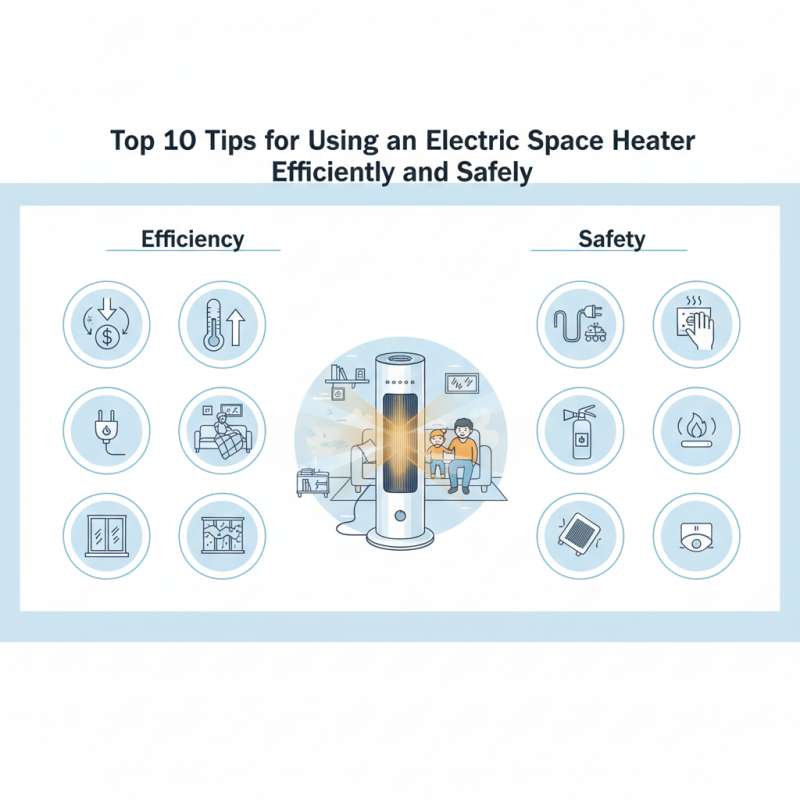
Top 10 Tips for Using an Electric Space Heater Efficiently and Safely

Understanding the Basics of Electric Space Heaters and Their Efficiency Ratings
Top 10 Tips for Using an Electric Space Heater Efficiently and Safely

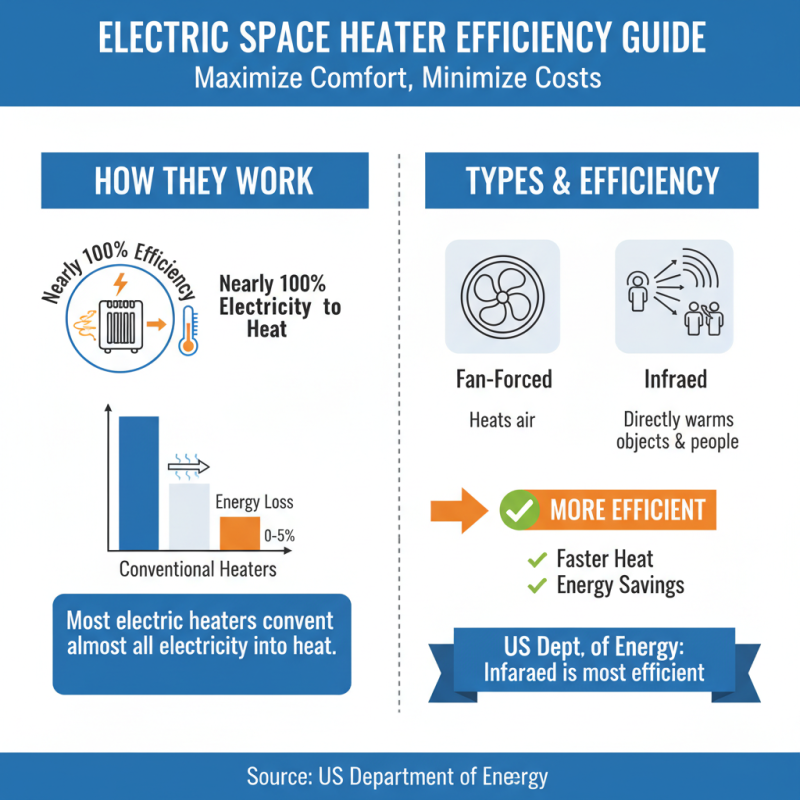
Electric space heaters are a popular choice for homeowners seeking to supplement their heating systems during colder months. Understanding their efficiency ratings is crucial for consumers aiming to maximize comfort while minimizing energy costs. Space heaters typically have different efficiency ratings, with many operating at nearly 100% efficiency by converting nearly all electricity drawn into heat. According to the U.S. Department of Energy, the most efficient electric heaters utilize infrared technology, which directly warms objects and people instead of solely heating the air. This method can lead to faster temperature increases and energy savings compared to conventional fan-driven units.

When selecting an electric space heater, it is essential to take into account the unit's Energy Factor (EF), a metric that indicates its efficiency. Reports suggest that units with higher EF ratings yield lower energy consumption over time. A recent industry analysis found that while the average EF for electric heaters is around 3.0, models designed with advanced materials and technology can reach ratings above 4.0. This significant difference highlights the importance of making informed decisions to optimize energy usage. Additionally, many manufacturers provide detailed performance data, which can assist consumers in choosing units that best align with their heating needs and budget.
Optimal Room Size for Electric Space Heaters: Maximizing Heat Distribution

When using an electric space heater, the size of the room plays a crucial role in maximizing heat distribution and ensuring safety. A heater's effectiveness diminishes significantly if it's used in a room that is too large for its output capacity. For instance, a small portable heater may struggle to warm a spacious living room, resulting in uneven heating and increased energy consumption. To achieve optimal performance, it's essential to choose a heater that aligns with the square footage of the space. Generally, a heater typically requires about 10 watts of power for each square foot of a room for efficient heating.

Moreover, the layout of the room should be considered when positioning the electric heater. Placing the unit in a central location can help distribute warmth more evenly. Avoiding corners or behind furniture can prevent blockages and allow for better airflow. Additionally, keeping doors and windows closed within the heated space can enhance warmth retention, further optimizing the heater's effectiveness. Being mindful of these factors not only ensures that you achieve a comfortable temperature but also promotes energy efficiency and safety while using space heaters.

Best Practices for Location and Placement of Space Heaters to Ensure Safety

Top 10 Tips for Using an Electric Space Heater Efficiently and Safely

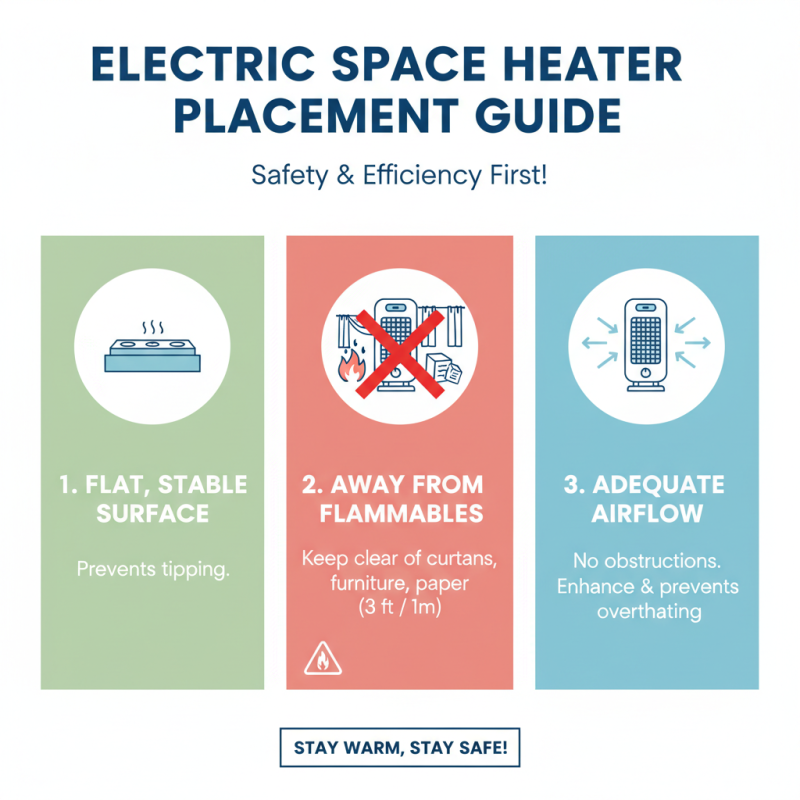
When using an electric space heater, proper location and placement are crucial for ensuring both efficiency and safety. Always position your heater on a flat, stable surface to prevent tipping. Avoid placing it near flammable materials like curtains, furniture, or papers, as this can pose a fire hazard. Additionally, ensure that the heater has adequate airflow around it—keeping it clear of obstructions will not only enhance its heating capabilities but also minimize the risk of overheating.

Another important tip is to keep the heater in rooms that require heating but away from high-traffic areas where it might be knocked over. Placing it away from footpaths helps to avoid accidental bumps. Furthermore, it’s advisable to use space heaters in smaller rooms, as they can heat these areas more quickly and efficiently compared to larger spaces. Remember to always turn off the heater when leaving the room or going to bed, as this promotes safety and adds to energy efficiency.

Lastly, consider setting up a timer or a smart plug to manage operating times effectively. This way, you can ensure that the heater runs only when necessary, optimizing both energy use and safety.

Energy Efficiency Tips: Utilizing Smart Thermostats with Space Heaters

Using electric space heaters efficiently not only conserves energy but also reduces heating costs. Integrating smart thermostats with space heaters can significantly enhance energy management in homes. According to the U.S. Department of Energy, heating accounts for approximately 30-40% of a household's energy use. By pairing space heaters with smart thermostats, homeowners can take advantage of programmable schedules, which allow heaters to operate only when needed, optimizing energy consumption during peak and off-peak hours.

Smart thermostats learn your heating preferences over time and can adjust settings automatically, ensuring that your space heater provides heating only when the room is occupied. A study by the American Council for an Energy-Efficient Economy revealed that homes using smart thermostats can achieve energy savings of up to 23% annually. Additionally, timing the use of space heaters to coincide with lower electricity rates can lead to further cost savings. By strategically managing heating schedules and harnessing the capabilities of smart technology, users can create a comfortable living environment that is both cost-effective and environmentally friendly.

Top 10 Tips for Using an Electric Space Heater Efficiently and Safely

Tip Number Tip Description Energy Efficiency Impact Safety Considerations
1 Employ a programmable thermostat Can reduce energy waste by 10-30% Ensure thermostat is compatible with your heater
2 Use the heater in smaller rooms Higher efficiency in heating less space Keep door closed to prevent heat loss
3 Turn down central heating Saves energy by focusing heating where needed Ensure space heater is unobstructed
4 Ensure proper ventilation Improves heater efficiency Prevents carbon monoxide build-up
5 Set correct heater size for the room Optimizes heating efficiency Avoid using heaters that are too powerful for the space
6 Keep flammable items away Improves safety and prevents hazards Maintain a safe distance from objects
7 Use a heater with a timer Minimizes unnecessary use and energy cost Prevents overheating when not needed
8 Select the right heating mode Maximizes comfort while optimizing energy use Review manufacturer's safety modes
9 Keep the heater clean and well-maintained Enhances performance and longevity Prevent dust build-up for safe operation
10 Always turn off when leaving Helps save energy costs Avoids fire risks when unattended

Routine Maintenance and Inspection: Ensuring Safe Operation of Heaters

Routine maintenance and inspection of electric space heaters are crucial for ensuring their safe and efficient operation. According to the U.S. Consumer Product Safety Commission (CPSC), heating equipment is the second leading cause of home fires, resulting in an estimated 54,000 fires each year. Regularly servicing your heater can significantly reduce the risk of fire hazards. Inspecting the unit for any signs of wear, such as frayed cords or burned-out components, should be conducted at the start of every heating season. A thorough check ensures that any faults are identified and addressed before they can lead to hazardous situations.

Additionally, proper cleaning and maintenance of the space heater contribute to its efficiency. A report from the National Fire Protection Association (NFPA) highlights that heaters must be kept free of dust and debris, which can not only obstruct airflow but also serve as kindling in case of overheating. Filters, if applicable, should be cleaned or replaced regularly to enhance air quality and heater performance. Moreover, positioning the heater at least three feet away from flammable materials is advisable, as maintaining clear space around the unit is essential for safe operation. Implementing these maintenance practices can help ensure your electric space heater operates efficiently and minimizes any risks associated with its use.

Top 10 Tips for Using an Electric Space Heater Efficiently and Safely