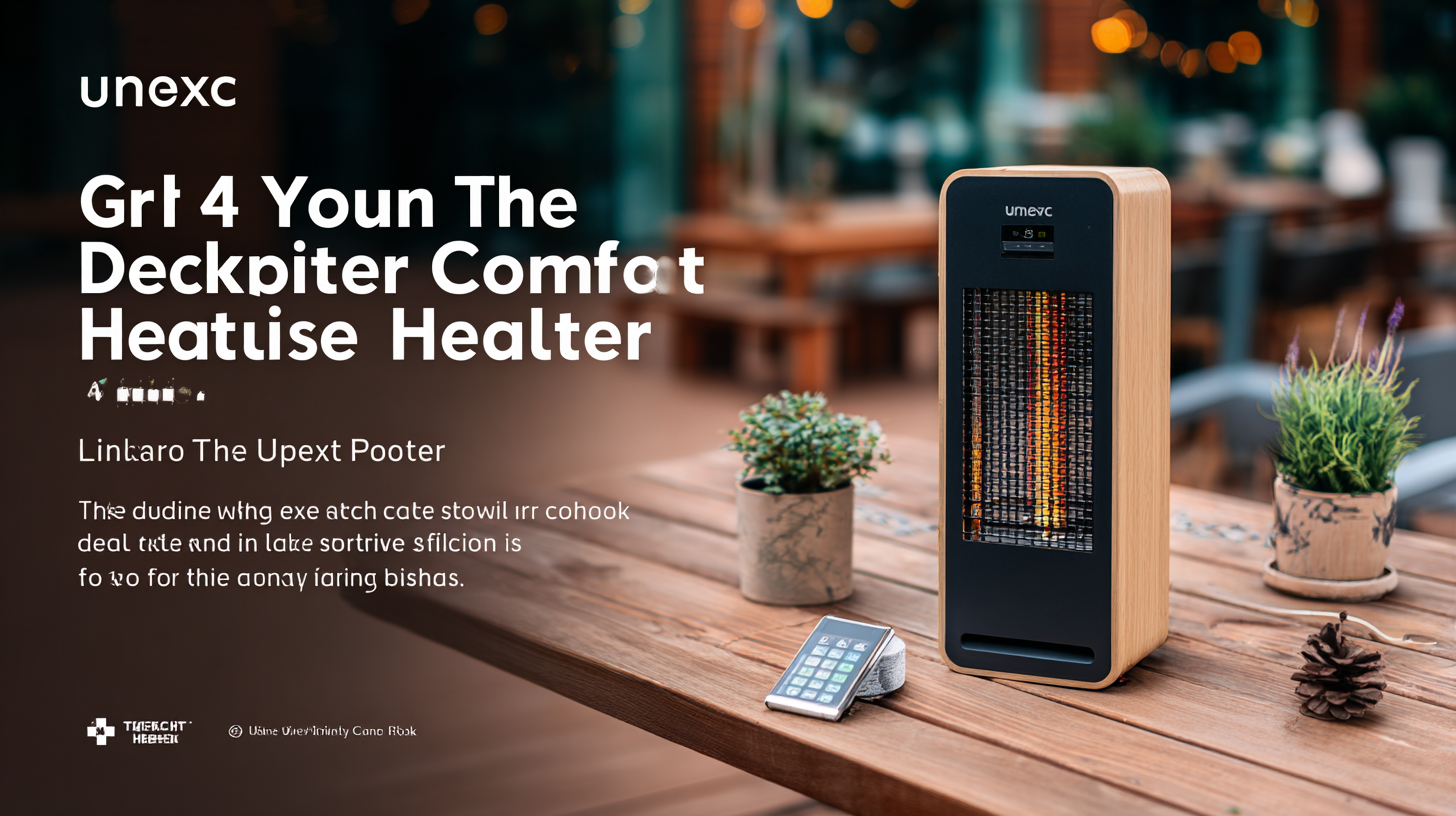
“Unlocking Outdoor Comfort: The Ultimate Guide to Choosing the Perfect Deck Heater for Your Space”
As outdoor living spaces become increasingly popular, creating a comfortable environment year-round has never been more essential. A vital component in achieving this is the effective use of a deck heater, which not only extends the usability of your deck but also enhances the overall enjoyment of your outdoor area. According to a recent industry report by the Outdoor Living Association, 78% of homeowners now prioritize outdoor heating solutions to maximize their seasonal enjoyment, with deck heaters leading the charge. These innovative heating devices come in various styles and technologies, capable of transforming chilly evenings into cozy gatherings. Understanding how to select the right deck heater for your specific space can significantly impact your outdoor comfort level, making it an investment worth considering as you embrace the outdoors, regardless of the season.
Understanding the Different Types of Deck Heaters and Their Efficiency Ratings
When selecting the ideal deck heater, understanding the different types and their efficiency ratings is crucial for achieving optimal outdoor comfort. The primary categories of deck heaters include electric, propane, and infrared models. Electric heaters are popular for their ease of use and low emissions, making them suitable for smaller spaces. Their efficiency is often rated based on wattage, with higher wattage typically translating to more heat output. However, it’s important to assess the insulation of your space, as this can affect overall heating performance.
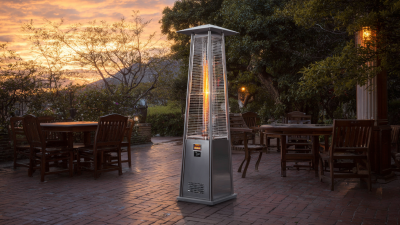
On the other hand, propane heaters are favored for their portability and heat intensity, making them perfect for larger areas. They operate on fuel and often possess a higher BTU rating, indicating the amount of heat generated per hour. Understanding the BTU rating helps you determine how well a unit can warm your outdoor area. Infrared heaters, distinguished by their ability to warm objects rather than air, can provide immediate warmth and are energy-efficient. They work best in sheltered environments and offer a unique heating approach that can minimize heat loss.
Selecting the right type of deck heater involves evaluating your specific needs, preferred heating method, and efficiency requirements to ensure a warm, comfortable space for your outdoor gatherings.
Evaluating Heat Output: BTUs and Their Impact on Outdoor Comfort Levels
When selecting the ideal deck heater for your outdoor space, understanding heat output is crucial. Measured in British Thermal Units (BTUs), this metric quantifies the heater's effectiveness in generating warmth. For instance, a typical patio heater emits between 30,000 to 50,000 BTUs, making it suitable for small to medium-sized areas. According to the Hearth, Patio & Barbecue Association, selecting a heater with appropriate BTUs can significantly enhance outdoor comfort, especially in cooler climates where temperatures can drop drastically after sunset.
Evaluating your space's specific needs is vital in matching the BTU output to ensure optimal heating. A larger deck may require a heater with upwards of 50,000 BTUs to maintain a comfortable environment. Research by the National Center for Wood Heating indicates that optimal outdoor comfort levels can be achieved when the heater's output creates a temperature difference of around 20°F to 30°F from the ambient outdoor temperature. This balance allows for an inviting atmosphere, encouraging longer enjoyment of outdoor settings, regardless of the season.
Unlocking Outdoor Comfort: The Ultimate Guide to Choosing the Perfect Deck Heater for Your Space
| Heater Type |
Heat Output (BTUs) |
Ideal Coverage Area (sq ft) |
Fuel Type |
Average Price ($) |
| Patio Gas Heater |
40,000 |
100 - 200 |
Propane |
150 |
| Electric Patio Heater |
1,500 |
50 - 100 |
Electric |
120 |
| Infrared Heater |
2,000 |
75 - 150 |
Electric |
200 |
| Wall-Mounted Heater |
4,000 |
50 - 175 |
Electric |
250 |
| Portable Fire Pit |
60,000 |
200 - 300 |
Propane/Wood |
200 |
Energy Sources for Deck Heaters: Gas, Electric, and Infrared Comparisons
When selecting the ideal deck heater, understanding energy sources is crucial. There are three primary options: gas, electric, and infrared. Gas heaters are popular for their ability to produce instant heat, making them a favored choice for larger outdoor spaces. They typically operate on propane or natural gas and can provide warmth quickly, allowing for immediate comfort during chilly evenings. However, they generally require ventilation, which can limit placement options.
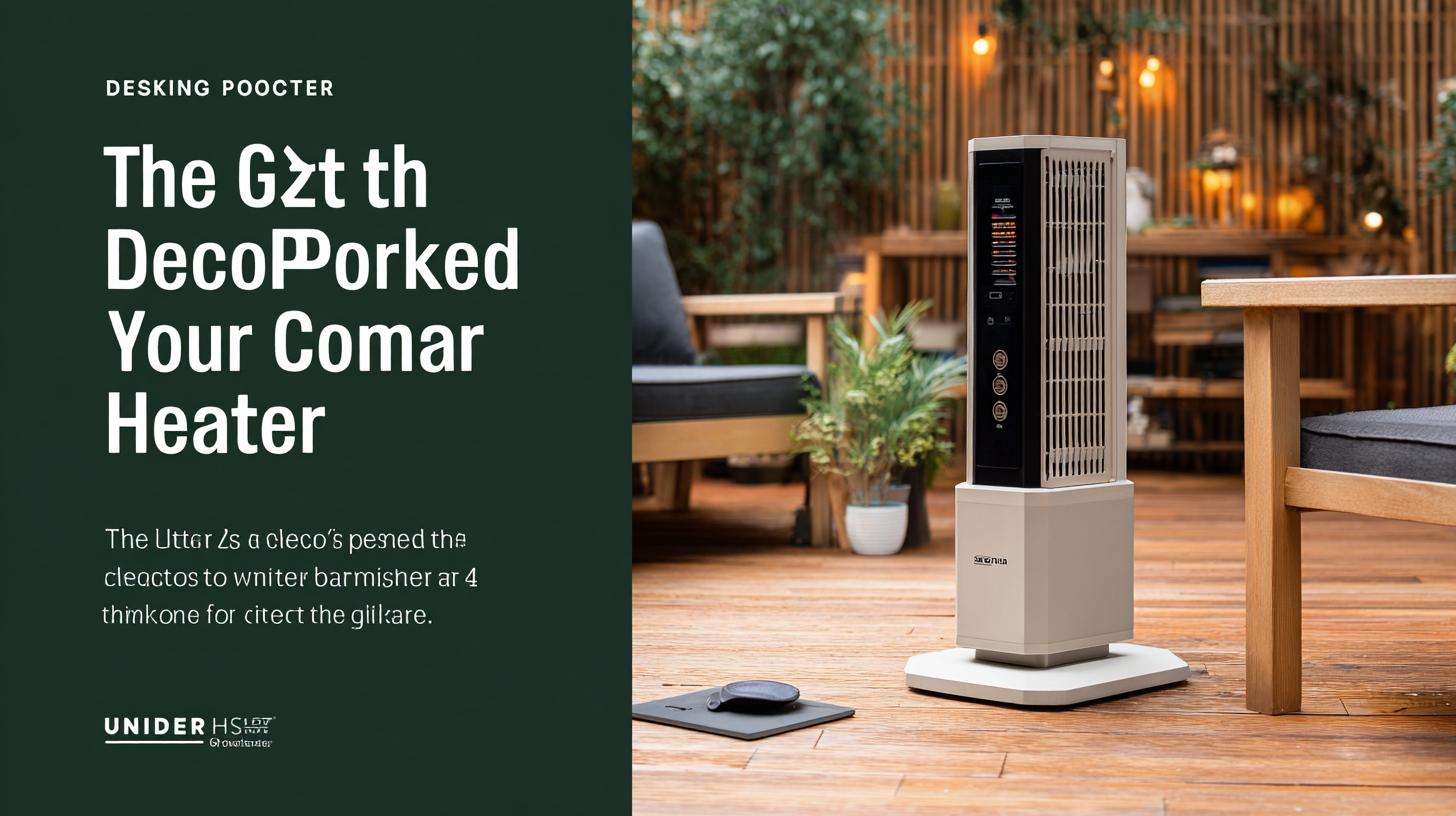 Electric heaters, on the other hand, offer a more flexible solution. They are easy to install and can be plugged into standard outlets, making them suitable for various settings, from small patios to expansive decks. While electric heaters often take longer to warm up compared to gas heaters, they are usually more energy-efficient and do not produce emissions, making them an eco-friendlier option.
Infrared heaters stand out by warming objects and people directly rather than the surrounding air. This means they can be remarkably efficient in outdoor areas with wind, providing consistent warmth without heating the entire space. As outdoor heating solutions evolve, discerning the unique advantages of each energy source helps identify the best fit for your outdoor comfort needs.
Weather Resistance and Durability: Key Features for Long-Lasting Outdoor Heaters
When selecting an outdoor heater, one of the most important considerations is
weather resistance and durability.
Outdoor heaters are exposed to the elements, which can significantly impact their performance and lifespan.
Models made from high-quality, rust-resistant materials like stainless steel or
aluminum are ideal, as they can withstand rain, snow, and humidity
without compromising functionality. Look for heaters with protective coatings that prevent wear and corrosion,
ensuring they remain robust even in harsh weather conditions.
Additionally, consider the heater's design features that enhance its resilience.
Units with sturdy bases, sealed electrical components, and
wind-resistant structures tend to perform better in unfavorable conditions.
Some outdoor heaters come with covers or the option to store them away when not in use, further extending their operational life.
By prioritizing durability and weather resilience,
you can enjoy your outdoor space comfortably, regardless of the season.
Choosing a heater that meets these criteria will not only enhance your outdoor experience but also prove to be
a worthwhile investment over time.

Cost-Effectiveness Analysis: Initial Investment vs. Long-Term Energy Savings in Deck Heating Solutions
When selecting a deck heater, it’s essential to weigh the initial investment against long-term energy savings. Research indicates that high-quality, energy-efficient heaters can offer significant savings over time. According to industry reports, homeowners can save up to 30% on energy bills when investing in modern heating solutions, compared to older, less efficient models. The potential for reduced energy expenses is crucial, especially with the rising costs of energy sources.
**Tip:** Consider heaters with programmable thermostats, allowing you to optimize usage while minimizing energy consumption. This feature not only enhances comfort but also maximizes savings by reducing unnecessary energy expenditure.
Furthermore, evaluating various heating technologies can lead to better decisions. For example, infrared heaters often warm up faster and operate with higher efficiency. Analyses suggest that switching to such advanced systems can cut operational costs by up to 40%. By focusing on the long-term benefits, you not only enhance your outdoor space but contribute to a more sustainable energy consumption pattern.
**Tip:** Look for heaters with a durable design, as investing in quality can lead to lower replacement costs and fewer energy inefficiencies associated with older units.
Cost-Effectiveness Analysis: Initial Investment vs. Long-Term Energy Savings in Deck Heating Solutions