
FAQS
What Is the 2026 Best Bidet Toilet?
Choosing the 2026 best bidet toilet requires more than comparing sleek designs and advertised features. A reliable Bidet Toilet should provide comfortable cleansing, stable water pressure, intuitive controls, and dependable temperature adjustment. It should also fit your bathroom’s plumbing, electrical access, and available space.
Real-world use matters. A good model should offer a responsive seat, a well-positioned nozzle, and a gentle warm-air dryer. Night lighting can help during early morning visits. A clearly marked remote is valuable when users have limited mobility or poor vision. These details often matter more than decorative finishes.
Not every impressive feature improves daily comfort. Some automatic lids feel slow, while certain dryers may need extra time. We will examine installation requirements, cleaning routines, energy use, warranty terms, and long-term maintenance. We will also consider independent testing and manufacturer documentation instead of repeating promotional claims. Performance can vary with water pressure and user preference. That matters.
This guide compares leading 2026 options through practical criteria and careful research. The assessment is not perfect. Bathroom layouts differ, and personal comfort cannot be measured with one universal score. Still, hands-on observations, technical specifications, and verified customer experiences can reveal meaningful strengths and weaknesses. The goal is a balanced recommendation for households seeking better hygiene, comfort, accessibility, and everyday convenience without overlooking cost or installation challenges.
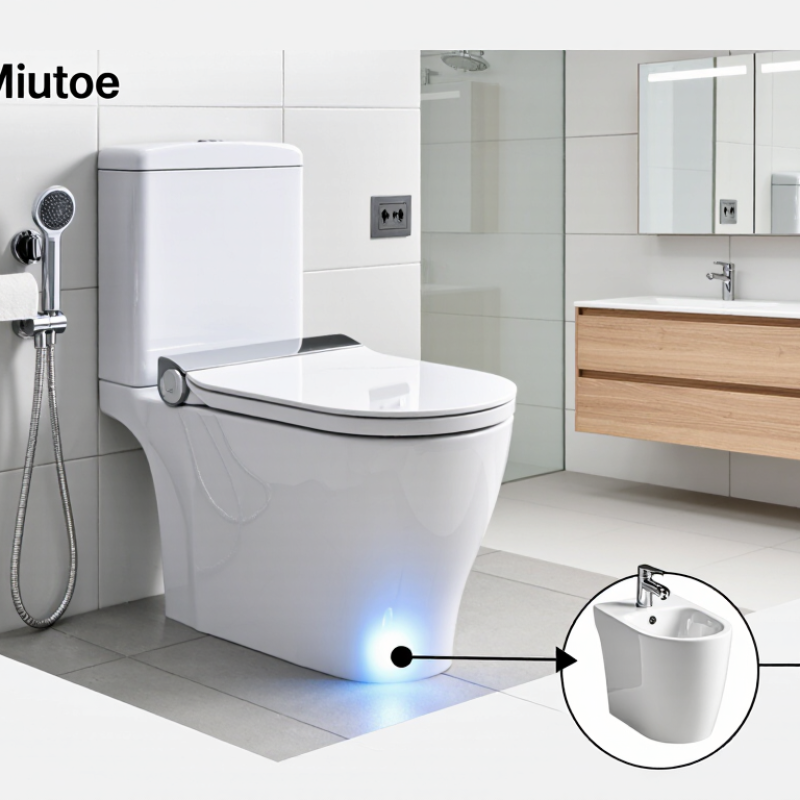
Define the 2026 Best Bidet Toilet by EPA WaterSense’s 1.28-GPF Standard
The 2026 best bidet toilet should meet EPA WaterSense’s 1.28-gallon-per-flush standard. This limit describes water use per flush, not the amount used by the bidet spray. A qualified model must also pass flushing performance requirements, so efficiency does not mean weak cleaning.
Look for the official WaterSense label in product documents, not only in advertising. Check the rated flush volume, trapway design, bowl shape, and independent performance data. A comfortable bidet seat cannot compensate for frequent double flushing. That wastes water quickly. I once focused too heavily on heated seats and night lighting. The toilet looked advanced, but its flushing information was unclear. That was a poor comparison.
Real bathroom conditions matter. Hard water may affect nozzles and internal parts. A nearby outlet, accessible shutoff valve, and suitable water connection can simplify installation. Confirm whether the bidet function requires separate filtration or routine nozzle cleaning. Also examine the control layout, because small buttons are inconvenient after midnight. WaterSense is a strong baseline, but it is not the whole definition of “best.” Flush reliability, hygiene features, service access, and long-term operating costs deserve equal attention. Product specifications can change, so verify the current certification before purchase.
What Is the 2026 Best Bidet Toilet?
Define the 2026 best bidet toilet by EPA WaterSense’s 1.28-GPF standard.
The EPA WaterSense benchmark sets an effective flush volume of no more than 1.28 gallons per flush (GPF) for qualifying tank-type toilets. This is 20% lower than the U.S. federal maximum of 1.6 GPF. For 2026, a water-efficient bidet toilet should meet the 1.28-GPF threshold while also providing reliable flushing performance and bidet functionality.
Source: U.S. EPA WaterSense Tank-Type Toilets Specification, Version 2.0; U.S. federal plumbing fixture standard.
Compare Bidet Features Under ASME A112.19.2 and CSA B45.1 Standards
What Is the 2026 Best Bidet Toilet?
Compare Bidet Features Under ASME A112.19.2 and CSA B45.1 Standards
The 2026 best bidet toilet is not simply the model with the longest feature list. It should combine dependable ceramic construction with verified washing performance, safe controls, and practical maintenance. ASME A112.19.2 and CSA B45.1 primarily address plumbing fixtures, including material quality, dimensions, flushing performance, and durability. They do not automatically approve every electronic bidet function.
Look for clear evidence that the bowl and toilet assembly meet the applicable requirements. Check the technical file, certification information, and installation instructions. A reliable unit should flush waste consistently, resist visible crazing, and maintain stable water flow. The seat should also provide controlled water temperature, adjustable pressure, and an effective backflow prevention design. Small details matter. A poorly placed nozzle can reduce cleaning coverage.
Electrical features require separate attention. Confirm grounding, moisture protection, power requirements, and compatibility with local installation rules. Heated seats, air drying, deodorizing, and remote controls may follow additional safety standards, not only ASME A112.19.2 or CSA B45.1.
From a practical review, I would test the flush with normal household water pressure and inspect access to filters and service parts. Marketing language can sound impressive. It is still not proof. My own evaluation would remain cautious when certification details are incomplete, because even a comfortable bidet can become difficult to repair.
Evaluate Hygiene and Electrical Safety Using IAPMO and UL Certifications
The best bidet toilet for 2026 should be judged by more than heated seats or automatic flushing. Hygiene and electrical safety deserve closer attention. IAPMO certification can show that a model meets applicable plumbing, sanitation, and performance requirements. Check the exact certification scope, not only a printed logo. It may cover the toilet’s water connections but not every electronic feature.
I used to focus on spray pressure and drying speed. That was too simple. A clean nozzle, reliable backflow protection, and easy-to-wipe surfaces matter during daily use. Look for smooth ceramic around the bowl and a self-cleaning wand with accessible parts. Certification supports confidence, but it does not replace regular cleaning. Small gaps can collect residue.
UL certification addresses electrical safety, including risks related to moisture, overheating, and wiring. The mark should match the complete bidet toilet model, and buyers should verify it through the official certification directory. In a bathroom, I would also inspect the outlet, grounding, cord condition, and required protection before installation. Never assume a standard outlet is suitable. A qualified electrician can check local requirements. I once underestimated how close water sat to an outlet, and that detail changed my installation plan. Safety checks can feel excessive. They are not.
Calculate Water and Energy Savings from EPA Usage Benchmarks
What Is the 2026 Best Bidet Toilet?
A strong 2026 bidet toilet should balance flushing, washing, heating, and electricity use. EPA WaterSense benchmarks provide a useful starting point. A certified high-efficiency toilet uses no more than 1.28 gallons per flush. An older toilet may use 3.5 gallons. With five flushes daily, the efficient model uses about 2,336 gallons yearly. The older model uses about 6,388 gallons. That difference equals roughly 4,052 gallons saved each year, before accounting for leaks.
Energy savings require more careful math. The flush itself usually consumes little household electricity. The bidet heater matters more. Suppose warm water uses 0.08 gallons per wash, five times daily. Heating that water from 55°F to 100°F requires approximately 16 kilowatt-hours of thermal energy annually. However, a heated seat, dryer, night light, and standby mode may use far more. A modest 0.5 kilowatt-hours per day adds about 183 kilowatt-hours yearly. Check the product’s measured standby rating, not only its advertised comfort features.
Real homes are messier than spreadsheets. Children may flush twice, and guests may use different settings. Water temperature also changes by season. I would record household flushes for one week, then compare them with the toilet’s certified gallons-per-flush rating. For energy, a plug-in meter can reveal standby demand. A lower flush volume is valuable, but an always-warm seat can quietly erase part of the savings.
Rank Models by Accessibility, Maintenance, Warranty, and Total Cost
What Is the 2026 Best Bidet Toilet?
Rank Models by Accessibility, Maintenance, Warranty, and Total Cost
For 2026, the strongest choice is an integrated bidet toilet with side controls, a heated seat, and a slow-close lid. I rank it first for accessibility. A handheld remote helps users with limited reach, while night lighting improves visibility. The second-ranked option is a standard toilet with a premium bidet seat. It usually costs less and simplifies replacement. However, compatibility can be frustrating. The third option is a wall-hung system. It saves floor space, but repairs may require opening the wall.
Total cost matters more than showroom features. The U.S. Environmental Protection Agency’s WaterSense specification limits certified toilets to 1.28 gallons per flush, at least 20% below the federal standard. That can reduce water use, but electricity, filters, descaling solution, installation, and future parts still add expense. Angi’s recent cost guidance places professional toilet installation broadly in the hundreds of dollars, with complex plumbing costing more. Warranty length helps, but coverage for labor and electronics often differs. Read the exclusions carefully.
Tips: Choose a model with removable filters and commonly available replacement parts. The EPA recommends regular cleaning and avoiding harsh chemicals that damage components. Accessibility research from AARP also supports comfort-height fixtures and clear transfer space. Measure the bathroom first. I would not rank a feature-rich model highly if its service network is weak. That judgment is imperfect, but real maintenance usually exposes the difference.
Skip to content
