
FAQS

Why Choose WPC Exterior Panels for Global Projects?

Why Choose WPC Exterior Panels for Global Projects?

Global construction is moving toward materials that balance durability, appearance, and environmental responsibility. The Grand View Research report estimates that the global wood plastic composites market reached approximately USD 7.1 billion in 2023. It also projects continued growth through 2030. This expansion reflects rising demand for low-maintenance façades, terraces, and rainscreen systems.

A WPC Exterior Panel can provide a wood-like surface without regular painting or sealing. On a coastal project, that matters. Salt air, strong sunlight, and sudden rain can quickly expose weak materials. WPC panels may resist moisture, insects, and surface cracking better than untreated timber. However, performance depends on formulation, installation, ventilation, and local climate. The material is not magic.

Dr. Michael Carus, a recognized bio-based materials expert, has cautioned, “Bio-based does not automatically mean sustainable.” That warning deserves attention. A responsible specification should examine recycled content, resin type, service life, fire performance, and end-of-life options. It should also request tested data, such as an Environmental Product Declaration, when available.

The World Green Building Council reports that buildings contribute significantly to global energy-related emissions. Therefore, exterior panels should support longer service life and practical maintenance, not merely attractive sustainability claims. For international projects, WPC exterior systems can simplify design consistency across markets. Yet local fire codes, wind loads, thermal movement, and installer training remain decisive.

The best choice is project-specific.

A durable panel is valuable. A verified one is better.
Why Choose WPC Exterior Panels for Global Projects?

What Are WPC Exterior Panels and How Are They Made?

WPC exterior panels are composite cladding boards made from wood fibers and thermoplastic materials. WPC means wood-plastic composite. The wood provides texture and stiffness, while the polymer helps resist moisture and decay. Manufacturers may also add pigments, stabilizers, and coupling agents. These ingredients improve color retention, bonding, and outdoor performance.

Production usually begins by drying and screening the wood fibers. The fibers are then blended with heated polymer and measured additives. This mixture passes through an extruder, which forms a continuous panel profile. Cooling sets the shape. Surface embossing can create grain patterns, while cutting produces installation-ready lengths. Some panels receive a protective co-extruded layer. It can reduce staining and ultraviolet damage, but it cannot hide poor processing.

Material ratios matter. A panel with more wood may feel natural, yet it can absorb more moisture. Excess polymer may improve water resistance but reduce the authentic wood appearance. Project teams should check density, screw-holding strength, thermal expansion, slip resistance, and fire-test documentation. Details matter.

On-site experience also shows a common weakness: installers sometimes ignore ventilation behind the cladding. That mistake can trap heat and moisture. Panels need suitable gaps, movement allowances, and compatible fasteners. No exterior panel is maintenance-free. Colors may change slightly, and careless cutting can expose the core. These limitations deserve honest review before specification.

Key Material Properties of WPC Exterior Panels

Why Choose WPC Exterior Panels for Global Projects?

Key Material Properties of WPC Exterior Panels

WPC exterior panels combine wood fibers with thermoplastic polymers. This structure supports stable performance in varied climates. Panels resist moisture better than untreated wood. They do not readily rot, crack, or attract insects. That matters in humid coastal regions and rainy urban zones.

Dimensional stability is another practical advantage. Properly installed panels can handle moderate temperature changes with limited warping. However, thermal expansion still requires planned gaps and suitable fasteners. Ignoring this detail may create visible buckling during hot seasons. Not every project team checks it carefully enough.

WPC surfaces usually need less repainting than natural timber. Their color can remain consistent under sunlight, although gradual fading is possible. Darker colors may absorb more heat. Textured finishes can also collect dust near busy roads. Cleaning access should be considered during design. Impact resistance helps panels manage routine contact around entrances and public walkways. Their relatively low maintenance can reduce long-term labor, but installation quality remains decisive.

For global projects, fire behavior must be verified against local building codes. Do not assume every WPC formulation has identical performance. Ask for tested data on fire classification, water absorption, UV exposure, and mechanical strength. Recycled content may reduce resource use, yet its percentage and source should be documented. Clear technical records support safer specifications and more reliable decisions.

Why Choose WPC Exterior Panels for Global Projects?

Key Material Properties of WPC Exterior Panels

Typical 24-hour water absorption values show why WPC exterior panels are suitable for humid climates and ventilated façade applications. WPC generally combines low moisture uptake with a stable, durable profile. Actual performance varies with wood-fiber content, resin type, additives, panel structure, and test method.

Values shown are representative industry ranges rather than product-specific specifications. Final selection should be based on project testing and applicable standards.

Why WPC Panels Suit Different Global Climates

Global projects rarely face one climate. A façade near Singapore may endure monsoon humidity, while a Canadian wall meets freeze-thaw cycles. The World Meteorological Organization reported that 2023 was about 1.45°C above the pre-industrial average. That matters for exterior materials. Higher temperatures can intensify thermal movement, surface aging, and maintenance demands. WPC panels offer a practical response because their polymer content helps reduce moisture-related movement. Still, “weatherproof” is too absolute.

In humid regions, reduced water uptake can help limit swelling, staining, and biological deterioration. In colder zones, the panel system needs movement joints and a ventilated cavity. Water trapped behind cladding can freeze and expand. For high-UV locations, test evidence matters more than attractive samples. ASTM G154 supports accelerated UV exposure testing, while ASTM D7031 guides evaluation of wood-plastic composite performance. These standards do not certify every product. They help specifiers compare reliable evidence.

Field experience shows installation often decides long-term results. Leave specified gaps around corners, fasteners, and panel ends. Use corrosion-resistant fixings near saltwater. Provide drainage paths below every horizontal transition. The International Energy Agency projects cooling energy demand could triple by 2050 without stronger efficiency measures. Light-colored WPC surfaces may reduce heat absorption, but texture and orientation also matter. WPC is not maintenance-free. Annual inspections should check fading, fastener movement, blocked vents, and impact damage. A climate-specific mock-up remains worthwhile, even when schedules feel tight.

Why Choose WPC Exterior Panels for Global Projects? - Why WPC Panels Suit Different Global Climates
Climate or Region Main Environmental Challenges Relevant WPC Panel Advantages Recommended Design and Installation Considerations Typical Maintenance Approach Climate Suitability
Hot and Humid
Examples: Southeast Asia, coastal tropical areas
High humidity, frequent rainfall, intense sunlight, mold risk and repeated wetting and drying. Moisture-resistant composite construction does not absorb water like untreated wood. The surface can also be formulated with UV-resistant additives and protective finishes. Provide rear ventilation and drainage paths. Allow for thermal movement, use corrosion-resistant fasteners and seal exposed cut edges according to the installation specification. Clean dust, salt and organic deposits with water and a mild detergent. Inspect joints and drainage areas periodically. Very Suitable
Hot and Arid
Examples: Middle East, North Africa, inland desert regions
Strong solar radiation, high surface temperatures, dust, sand and large day-to-night temperature changes. WPC panels provide a wood-like appearance with lower routine coating requirements than many exposed timber systems. UV-stabilized surface treatments can help reduce fading. Use products tested for the project’s solar exposure. Include expansion gaps, shaded ventilation where possible and fasteners suitable for high-temperature conditions. Remove dust and sand regularly using a soft brush or low-pressure water. Avoid abrasive cleaners that may damage the finish. Suitable with UV Control
Temperate and Rainy
Examples: Western Europe, parts of East Asia and the Pacific Northwest
Frequent rain, seasonal temperature changes, surface moisture and biological growth in shaded locations. Low water absorption and resistance to decay help reduce the weathering problems commonly associated with untreated exterior wood. Design open or drained joints, maintain adequate clearance from standing water and prevent direct contact with persistently wet ground. Wash the surface when needed and remove leaves or dirt from joints. Check fixings and panel alignment after severe weather. Very Suitable
Cold and Snowy
Examples: Northern Europe, Canada and high-altitude regions
Freeze-thaw cycles, snow loads, low temperatures, ice formation and movement caused by seasonal contraction and expansion. WPC panels are not vulnerable to wood rot, but their dimensions still change with temperature. A properly detailed system can provide durable exterior performance. Follow the manufacturer’s temperature-specific installation instructions. Allow movement at joints, prevent trapped water from freezing and design the substructure for local wind and snow loads. Remove accumulated snow or ice without striking the panels. Inspect clips, screws, joints and drainage routes after winter. Suitable with Movement Gaps
Coastal and Marine
Examples: Island developments, ports and oceanfront buildings
Salt spray, wind-driven rain, high humidity, airborne sand and accelerated corrosion of unsuitable metal components. WPC panels resist moisture-related decay, while the use of appropriate stainless or coated fasteners helps improve system durability in salt-laden air. Specify corrosion-resistant fixings, provide drainage and ventilation, and avoid designs that trap saltwater or debris behind the cladding. Rinse salt deposits with fresh water and inspect metal components, edges and joints more frequently than in inland locations. Suitable with Marine-Grade Fixings
High-Rainfall and Monsoon
Examples: South Asia and tropical seasonal-rain regions
Intense rainfall, wind-driven water, rapid humidity changes, algae or mildew growth and temporary surface flooding. Moisture-resistant WPC construction can reduce swelling and rot-related concerns compared with untreated wood when the cladding system is correctly ventilated. Use a rainscreen design with a continuous drainage cavity. Protect cut ends, maintain clear outlets and keep panels above splash zones. Clean after the rainy season, clear drainage openings and check for blocked ventilation gaps or loose accessories. Very Suitable with Drainage Design
Mixed Seasonal Climate
Examples: Central Europe, northern China and the United States
Hot summers, cold winters, changing humidity, rainfall and repeated expansion and contraction. WPC offers a consistent exterior finish and reduced susceptibility to biological decay, while accommodating seasonal use when the system is detailed correctly. Use tested profiles, maintain specified joint clearances, provide ventilation and install over a stable, aligned substructure. Perform seasonal visual inspections, wash the panels as required and replace damaged accessories promptly. Very Suitable

Design, Installation, and Maintenance Considerations

Why Choose WPC Exterior Panels for Global Projects?

Design, Installation, and Maintenance Considerations

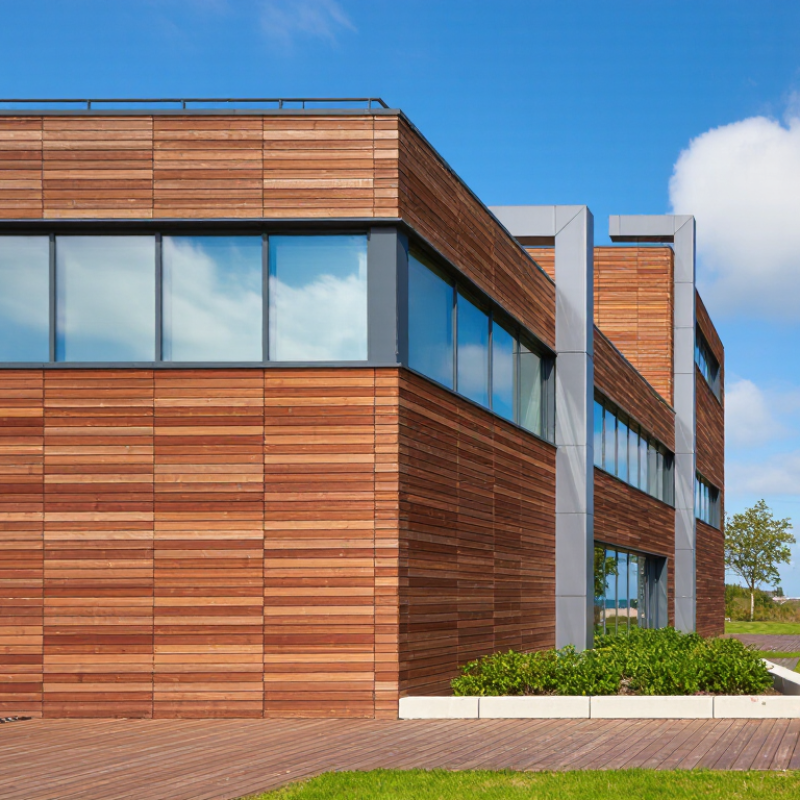
WPC exterior panels offer a warm timber appearance with more predictable performance outdoors. Designers can create ventilated façades, screened balconies, and protected entrance zones. Panel color, surface texture, and joint direction should match the building’s scale. Dark finishes may absorb more heat in sunny regions. Coastal projects also need careful consideration of salt, wind, and moisture.

Climate changes everything. A panel specification suitable for a dry inland site may fail near a humid shoreline. Confirm thermal movement, drainage paths, fire requirements, and local building standards before ordering materials. Use a small mock-up to check color, fixings, shadow lines, and corner details. It is not glamorous, but it prevents expensive surprises. Allow movement gaps according to the manufacturer’s technical data. Install panels on a straight, corrosion-resistant substructure, with adequate ventilation behind the cladding. Poor alignment becomes obvious in low afternoon light.

Maintenance is simple when the design is accessible. Remove dust with soft brushes and clean water. Use mild cleaners for stains, never aggressive solvents without approval. Inspect joints, fasteners, edges, and drainage openings at least annually. High-rise or industrial sites may need more frequent checks. A detail I would reconsider is placing panels too close to sprinklers or constantly wet landscaping. Even durable materials need breathing space. Record cleaning dates and visible changes, because small defects are easier to correct than neglected damage.

Sustainability, Cost, and Project Selection Factors

Why Choose WPC Exterior Panels for Global Projects?

WPC exterior panels combine wood fibers with polymer materials, creating a durable cladding option. Their sustainability depends on more than recycled content. Project teams should review fiber sources, polymer content, manufacturing energy, and end-of-life pathways. Environmental product declarations can support transparent comparisons. Local sourcing may also reduce transport emissions, especially for large façades. However, imported panels can still perform well when logistics are efficient and documentation is complete.

Cost evaluation should cover the entire service life, not only the purchase price. WPC panels may reduce repainting and routine maintenance in humid or coastal environments. Their resistance to moisture, insects, and surface wear can protect long-term budgets. Installation details matter. Lightweight systems may reduce handling time and structural demands. Poorly planned joints, however, can increase labor costs and create movement problems.

Project selection needs evidence from the actual climate and building use. Review fire classifications, thermal expansion data, drainage design, and local construction codes. A panel suitable for a shaded residential wall may fail on a sun-exposed high-rise façade. Small test areas can reveal color change, fastening behavior, and cleaning needs. That step is often skipped. It should not be. Sustainability claims also require caution, because regional recycling systems may not accept composite materials. Teams should compare verified documents, installer experience, warranty terms, and replacement access before approving the specification.