
FAQS
7 Best Electric Porch Heaters for Outdoor Spaces?
Choosing the right electric porch heater can turn a cold patio into a comfortable evening retreat. However, warmth is only one part of the decision. A useful comparison should consider heating coverage, power consumption, weather resistance, mounting options, controls, and everyday maintenance.
This guide examines seven electric porch heaters for outdoor spaces, focusing on details that matter after installation. In real use, a heater may feel strong beneath its radiant glow but weak across a windy deck. Placement matters. Ceiling-mounted units can save floor space, while freestanding models offer greater flexibility beside chairs or dining tables. Features such as adjustable heat levels, timers, remote controls, and tip-over protection can also improve convenience.
Safety deserves careful attention. Buyers should check the manufacturer’s outdoor-use rating, installation instructions, electrical requirements, and certification information. A weather-resistant design is not automatically waterproof. That difference is easy to overlook. Professional installation may be sensible for hardwired models, especially where older wiring or limited circuits are involved.
No heater is perfect. A powerful unit may consume more electricity, and a compact model may leave colder corners. This review weighs those compromises rather than treating one product as ideal for every porch. It also considers noise, visible glow, control responsiveness, and how each unit fits beneath awnings or near seating. Before choosing, measure the space, note the wind exposure, and identify where safe power access is available. Small details can change the entire outdoor experience.
What Makes an Electric Porch Heater Suitable for Outdoor Spaces
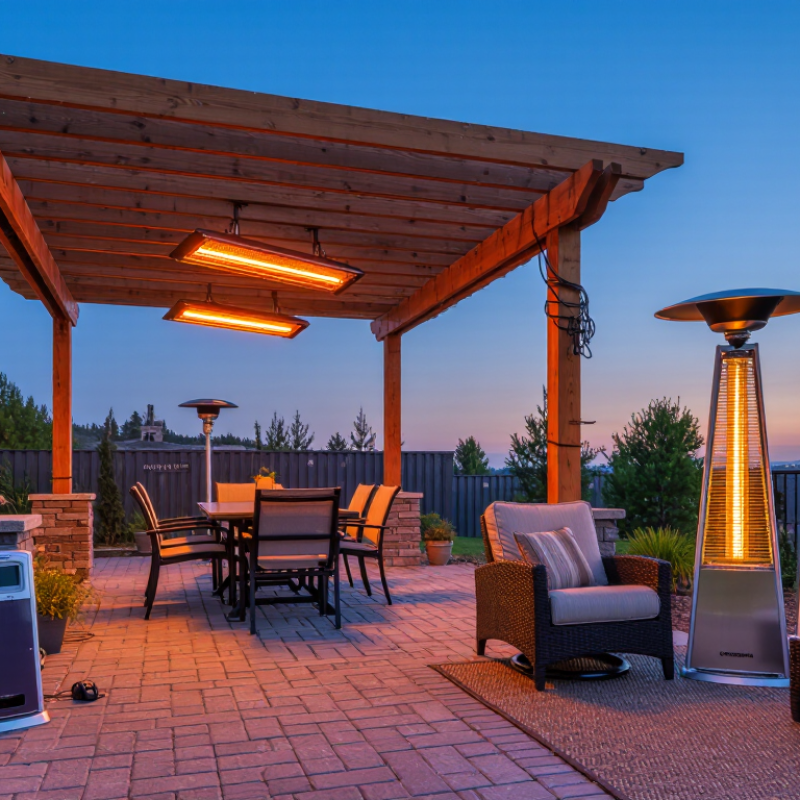
An electric porch heater suits outdoor spaces when it handles moisture, wind, and changing temperatures. Weather resistance matters more than attractive design. Look for a clear outdoor-safety rating and sealed controls. However, a rating does not make the heater waterproof in every situation.
Placement changes performance. A ceiling-mounted unit spreads warmth downward, while a wall-mounted model targets a seating area. Keep the heating element away from curtains, cushions, plants, and wooden rails. Check the required clearance before installation. Small details matter.
A suitable heater should provide steady radiant heat without producing smoke or open flames. Adjustable power settings help when the evening temperature shifts. A timer can prevent unnecessary energy use. Use a properly rated outdoor outlet and keep cords away from puddles and walkways. Never hide a connection beneath a rug.
Wind can reduce comfort quickly. I would test the heater from the actual seating position, not from the doorway. One common mistake is choosing maximum wattage without checking the porch size. More power is not always better. It may create hot spots while leaving nearby chairs cold. Metal housing can become hot, too. Touch protection and stable mounting deserve careful attention. Even a well-designed unit needs occasional inspection for corrosion, loose fittings, and damaged cables. Some product instructions seem overly cautious, but outdoor conditions change faster than expected.
7 Best Electric Porch Heater Configurations for Outdoor Spaces
This comparison uses typical specifications for outdoor-rated electric infrared heaters. Higher wattage generally provides greater coverage, while wall- and ceiling-mounted designs save floor space. For outdoor use, select a model with an appropriate IP rating, stable mounting, and sufficient clearance from combustible materials.
Key Features to Compare in Electric Porch Heaters
Choosing among the 7 best electric porch heaters starts with matching heat performance to your outdoor space. Measure the seating area, ceiling height, and wind exposure before comparing models. Infrared heaters warm people and furniture directly, while fan-assisted units spread warmth more broadly. I have found infrared heat more comfortable on a breezy porch. However, it can leave shaded corners noticeably cool.
Wattage matters, but higher power is not automatically better. Check the heater’s voltage, recommended coverage, and your circuit capacity. A qualified electrician should assess permanent wiring. Look for adjustable heat levels, a responsive thermostat, and simple controls that remain usable with cold fingers. Remote controls are convenient, though small batteries can fail unexpectedly. That matters.
Weather resistance deserves careful attention. Choose a unit with a suitable outdoor protection rating, sealed switches, and corrosion-resistant housing. A stable wall, ceiling, or freestanding base reduces movement during strong wind. Confirm that the mounting hardware suits your surface. My first comparison overlooked cable placement, which created an awkward trip risk. I would not repeat that mistake.
Safety certification from a recognized testing organization adds useful reassurance, but it does not replace sensible installation. Inspect the plug, cord, grille, and mounting points regularly. A tip-over shutoff helps with portable heaters, while overheat protection supports safer operation. Also consider noise, light from indicator panels, cleaning access, and replacement parts. Small details matter. A quieter heater may be better for conversation, even when its heating range is slightly smaller.
Seven Effective Electric Porch Heater Types and Models
Choosing a porch heater depends on wind, ceiling height, and seating distance. The U.S. Department of Energy explains that radiant heaters warm people and nearby objects directly, rather than heating the entire air volume.
Performance varies sharply outdoors. A 1,500-watt heater uses 1.5 kilowatt-hours during one hour of continuous operation. The U.S. Energy Information Administration reports that residential electricity prices reached about 16 cents per kilowatt-hour in 2023, although local rates differ.
That equals roughly 24 cents per hour before cycling losses. The International Energy Agency also reports that heat pumps can deliver three to five units of heat per electricity unit, but typical porch heaters remain resistance devices. They are simpler, yet less efficient.
Look for outdoor-rated construction, stable bases, tip-over protection, and adjustable thermostats. IEC 60529 ingress ratings help identify resistance to water and dust, but installation instructions still matter.
I prefer infrared models when chairs sit within two meters of the heater. For scattered seating, ceiling mounting works better.
My own ranking is not universal. Wind can defeat a powerful unit surprisingly quickly.
A beautiful tower may still leave cold knees. Examine the actual seating pattern before choosing a model.
How to Choose the Right Heater for Your Porch
Choosing among the seven best electric porch heaters begins with your space, not the heater’s appearance. Measure the seating area and note wind exposure, ceiling height, and nearby walls.
A compact radiant heater suits a small, sheltered porch. Larger spaces may need two units for more even warmth. Radiant models warm people and furniture directly, while fan-assisted heaters warm the surrounding air more slowly.
Check the power requirements carefully. Many electric heaters draw substantial wattage, so confirm that your outlet and circuit can handle the load. Do not rely on a long indoor extension cord.
Look for weather-resistant construction, secure mounting hardware, adjustable heat settings, and clear safety shutoffs. A tip-over switch matters for portable models. Wall and ceiling heaters should maintain the clearance stated in their manuals. Small details matter.
Try the heater where you actually sit. A unit that feels warm beside the door may feel weak at the table. I prefer adjustable controls, although remote controls can be unreliable outdoors. That is easy to overlook.
Check independent safety certification and read the installation instructions before buying. Some heaters advertise broad coverage, but wind can reduce that range sharply.
My first choice is not always the most powerful one; quieter operation and sensible placement often create a more comfortable porch. Reassess after a few evenings, because real use can expose weaknesses that product descriptions hide.
Safe Installation, Energy Use, and Outdoor Maintenance
7 Best Electric Porch Heaters for Outdoor Spaces?
Choosing among the seven best electric porch heaters requires more than comparing heat output. In my experience, mounting height and wind exposure affect comfort more than advertised wattage. Select a heater with weather protection suitable for covered outdoor use. Never assume an indoor-rated unit belongs on a porch. Follow the installation guide carefully. A qualified electrician should inspect new wiring, outlets, and circuit capacity. Keep heaters away from curtains, furniture, dry leaves, and stored fuel. Leave clear space around the heating element.
Energy use depends on wattage, runtime, and thermostat settings. A 1,500-watt heater running for three hours uses about 4.5 kilowatt-hours. Targeted radiant heat usually wastes less energy than heating open air. Use a timer or smart control when appropriate. Turn the heater off before leaving the area. Short sessions work well.
Maintenance is easy to overlook. Dust can collect around grilles and reduce airflow. I learned this after noticing weaker heat from a visibly clean unit. The hidden intake was clogged. Disconnect power, let the heater cool, and clean it according to the manual. Check cords for cracking, loose plugs, or moisture damage. Do not repair damaged wiring casually. Replace questionable parts through qualified service. Also inspect mounting hardware after storms, because vibration can loosen fasteners over time.
7 Best Electric Porch Heaters for Outdoor Spaces? - Safe Installation, Energy Use, and Outdoor Maintenance
| Rank | Heater Type | Typical Power | Recommended Coverage | Approx. Cost per Hour | Outdoor Rating | Installation Guidance | Maintenance Needs | Best Use |
|---|---|---|---|---|---|---|---|---|
| 1 | Wall-Mounted Short-Wave Infrared Heater | 1,500–2,000 W | Approximately 80–120 sq. ft. | $0.24–$0.32 | Look for IP24 or higher | Secure to a non-combustible wall or approved bracket; maintain the manufacturer’s clearance from ceilings, fabrics, furniture, and combustible surfaces. Use a weather-protected outdoor circuit. | Remove dust from the reflector and emitter when cool; inspect the cable, plug, and mounting hardware before seasonal use. | Focused warmth for seating areas and covered porches |
| 2 | Ceiling-Mounted Infrared Panel | 1,200–1,800 W | Approximately 60–100 sq. ft. | $0.19–$0.29 | Use only a model specifically rated for outdoor locations | Attach to structural framing, not just a ceiling finish. Keep the heating face unobstructed and install a suitable isolation switch or control as required by local code. | Wipe the flat surface with a dry or slightly damp cloth; check for water ingress, discoloration, or loose fasteners. | Low-profile heating where wall space is limited |
| 3 | Portable Infrared Tower Heater | 1,200–1,500 W | Approximately 50–90 sq. ft. | $0.19–$0.24 | Prefer IP24 or higher for sheltered outdoor use | Place on a level, stable surface away from walkways. Do not use an extension cord unless the heater instructions specifically permit one; never cover the unit. | Keep air inlets clear, clean the grille, and store indoors in a dry location when not in use or during severe weather. | Flexible, occasional heating for renters or movable seating |
| 4 | Freestanding Infrared Patio Heater | 1,500–2,000 W | Approximately 80–120 sq. ft. | $0.24–$0.32 | IP24 or higher is suitable for many covered settings | Use a weighted or anchored base on a level surface. Position it away from curtains, umbrellas, plants, and high-traffic paths; use the tip-over protection supplied with the unit. | Clean the reflector and guard; tighten base connections and check stability after moving the heater. | Larger seating areas where permanent mounting is not practical |
| 5 | Low-Wattage Under-Table Heater | 600–1,200 W | Approximately 25–60 sq. ft. | $0.10–$0.19 | Choose a model approved for outdoor use | Keep the heater clear of tablecloths, cushions, footwear, and other materials. Provide ventilation around the unit and avoid placing it where liquid can pool. | Vacuum or brush away lint and debris; inspect the housing and power cord for heat damage. | Personal warmth with lower power demand |
| 6 | Electric Radiant Strip Heater | 1,500–3,000 W | Approximately 100–180 sq. ft. | $0.24–$0.48 | Select a weather-rated commercial-style unit | Use professional installation for higher-power hardwired units. Confirm circuit capacity, grounding, clearances, and local electrical-code requirements before installation. | Clean the heating surface and reflector; have hardwired connections inspected if the breaker trips or the unit shows heat damage. | Long covered porches, restaurants, and hospitality areas |
| 7 | Smart-Controlled Electric Infrared Heater | 1,500–2,000 W | Approximately 80–120 sq. ft. | $0.24–$0.32 | The control system and heater must both be outdoor-rated where exposed | Install according to the electrical instructions; protect connected controls from direct rain and verify that the circuit is suitable for the heater’s rated load. | Clean the heater as directed, keep firmware or controls updated, and test timers, remote controls, and automatic shutoff features. | Scheduled heating and reducing unnecessary operating time |
Related Posts
-
Why Choose an Electric Porch Heater for Outdoor Spaces?
-
How to Choose the Best Electric Porch Heater for Your Outdoor Space?
-
China Top Outdoor Wall Heater Suppliers for Global Buyers
-
How to Choose the Best Outdoor Wall Heater?
-
Top 10 Electric Space Heaters for Efficient Home Heating
-
Top 10 Electric Space Heater Benefits for Home Use?
Skip to content