FAQS

China Best Portable Heaters for Global Buyers

China’s portable heaters serve a wide range of needs, from chilly home offices to small workshops and temporary workspaces. For global buyers, a low price is only one part of the decision. Heating capacity, power consumption, noise, portability, and build quality all shape a product’s usefulness. So does the detail buyers often notice late: whether controls are clear and replacement parts are available.

This guide examines Chinese portable heaters through practical purchasing criteria. It considers common heater types, output ratings, materials, supplier evaluation, and questions to ask before placing an order. A compact unit may suit a desk-side space, while a larger room can require a different output and operating pattern. No single model fits every market or setting. Small differences matter.

Reliable buying advice should also distinguish verified specifications from sales claims. Buyers can request test reports, product documentation, warranty terms, and clear details about intended use. For safety and suitability, check requirements that apply in the destination market and follow the manufacturer’s instructions. This introduction does not include a named expert quotation because no verifiable source or expert statement was provided; inventing one would undermine trust. A sourced quotation can be added when an attributable statement is available. The sections ahead aim to help buyers compare products carefully, ask better questions, and choose portable heaters suited to their actual needs.
China Best Portable Heaters for Global Buyers

What Portable Heaters Are and How They Work

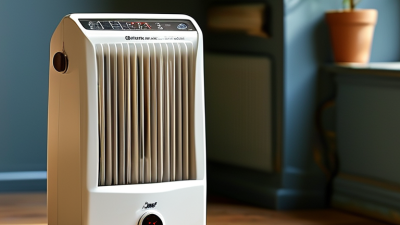
Portable heaters are compact appliances that add heat to a specific area rather than warming an entire building. They are useful near a desk, in a drafty corner, or in a small room. Small, but practical. Their heating method affects how warmth feels and how quickly it reaches you.

Electric resistance heaters pass current through a heating element, which becomes hot. A fan can move air across that element and spread warmth around the room. Ceramic models use a ceramic heating element, often with a fan.

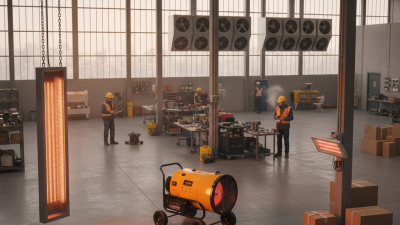
Oil-filled radiators heat sealed fluid inside metal fins; the fluid carries heat to the surface, which then warms nearby air. Radiant heaters send infrared energy toward people and objects, so their warmth can feel immediate, even when the room air remains cool.

The differences matter.

A heater’s advertised room-size range is only a guide. Drafts, ceiling height, and insulation can change performance noticeably. Use a stable, level surface, keep the unit clear of curtains and bedding, and follow its manual. Combustion models require particular care: indoor use depends on the model’s instructions and adequate ventilation. Even a well-designed heater cannot fix poor insulation. That detail is easy to underestimate.

Main Types of Portable Heaters Made in China

China Best Portable Heaters for Global Buyers
Main Types of Portable Heaters Made in China

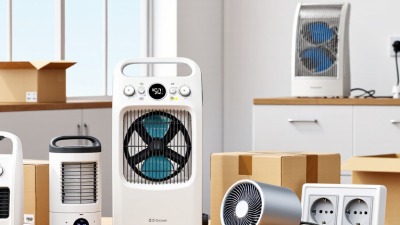
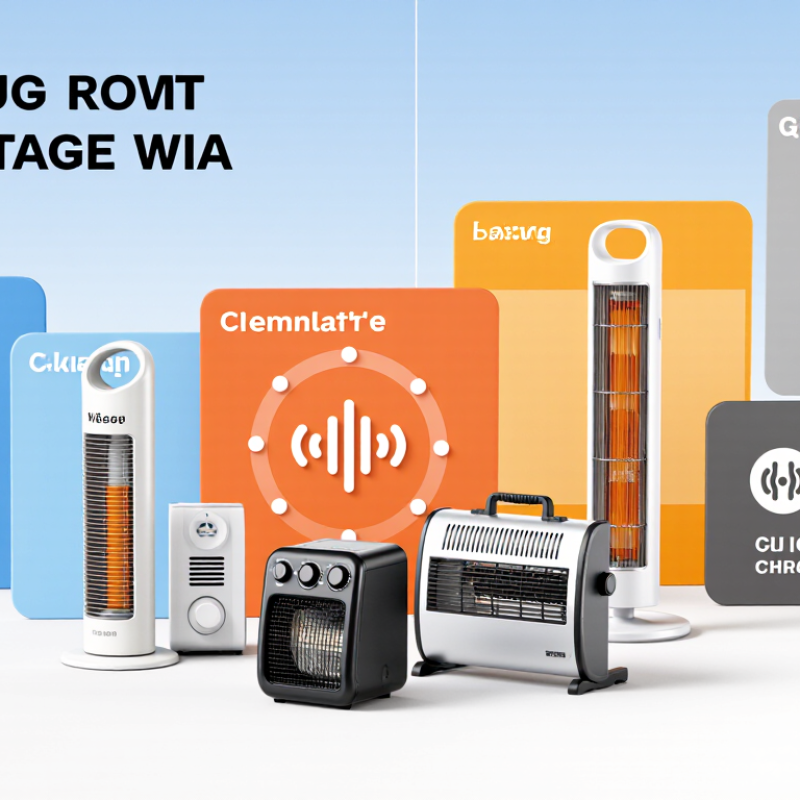
Portable heaters made in China commonly include ceramic fan heaters, oil-filled radiators, infrared heaters, and convectors. Ceramic models warm a small room quickly, pushing heated air across a desk or bedside area. Oil-filled radiators take longer to warm up, but distribute steady heat without a fan. Infrared models warm people and nearby surfaces directly, so placement matters. Quiet, steady warmth.

For product context, the IEA’s Tracking Buildings 2023 report estimates that buildings used about 30% of global final energy in 2022. That figure covers buildings broadly, not portable heaters alone. Still, it highlights why thermostat accuracy, adjustable output, and standby consumption deserve attention. A practical caveat: wattage alone can mislead. Room size, insulation, ceiling height, and local voltage all affect real-world performance.

When comparing suppliers, ask for measured noise levels, heating-area test conditions, and clear safety features. Check for overheat protection, tip-over shutoff, stable feet, and accessible controls. For oil-filled models, inspect the casing and seams; for fan heaters, check airflow and grille spacing. Verify plug type and voltage for each destination market. Those details are easy to overlook, yet they shape a heater’s usability as much as its headline heating power.

Key Features, Performance, and Safety Standards

For global buyers, portable-heater performance depends on room size, insulation, airflow, and electrical compatibility. A 1,500-watt heater draws about 12.5 amps at 120 volts, or 6.5 amps at 230 volts. Check the destination market’s voltage, frequency, plug, and circuit capacity before comparing models. Ceramic heaters typically warm quickly; oil-filled radiators heat more gradually and retain warmth after switching off. Actual comfort still varies with drafts and thermostat placement. A wattage rating alone cannot predict room temperature.

Safety deserves equal weight. The U.S. Consumer Product Safety Commission estimates that portable heaters are associated with about 1,700 fires, 80 deaths, and 160 injuries annually in the United States. Look for tip-over shutoff, overheat protection, a stable base, and clear clearance instructions. Small details matter. IEC 60335-2-30 sets safety requirements for room heaters, but buyers should also verify the applicable national standard and certification for each market. Packaging claims can be reassuring, yet they do not replace checking test documents, plug ratings, and instructions. One limitation remains: even a well-tested heater can be unsafe if placed beside curtains or left unattended.

How Global Buyers Compare Chinese Heater Suppliers

How Global Buyers Compare Chinese Heater Suppliers

Global buyers comparing Chinese portable-heater suppliers should look beyond quoted unit prices. The IEA’s Electricity 2025 report says global electricity demand rose 4.3% in 2024. That makes rated wattage, thermostat accuracy, and heat-up performance practical buying questions, not brochure details. Ask suppliers to test several units at the same voltage, room temperature, and distance. Compare measured power draw with the nameplate.

Safety documentation deserves equal scrutiny. IEC 60335-2-30 covers household room heaters; request current test reports for the exact model, not a similar platform. Check tip-over and overheat protection, plug temperature, cord length, and housing gaps. Run a sample through repeated heating cycles, then let it cool fully. Small details matter. Also review traceability for heating elements and control boards.

The IEA’s Energy Efficiency 2024 report estimated global energy-intensity improvement at about 1% for 2024, underscoring why efficiency claims need measured evidence. Compare carton drop-test records, spare-part availability, and response times. Ask for monthly production capacity and inspection records tied to batch numbers. I’d still leave room for a blind spot: a polished audit cannot reveal every failure after months of household use. Request pilot-batch feedback and define acceptance limits before payment milestones.

Export, Certification, and Import Considerations

For global buyers, heater selection is only part of the purchase. Export readiness depends on the destination market, product design, and shipping route. Confirm the rated voltage, frequency, plug type, and intended room size. A unit built for one electrical system may not suit another. Ask the exporter for the exact model number, user manual, and test reports before placing a large order. Small details matter.

Certification rules differ by country and product category. Do not assume that one certificate covers every market. Check which approvals and label information local authorities require, then confirm that documents match the specific heater model and its components. Importers should also verify the customs classification, duties, and required language for safety instructions with a qualified broker. Paperwork can lag. Recheck documents before shipment, not after the goods reach port.

Request a pre-shipment inspection, especially when ordering unfamiliar models. Check carton strength, warning labels, accessories, and whether the sample matches the production unit. Even a careful file can miss a local labeling update; requirements change, and buyers should verify them close to shipment. This extra work can feel slow, but it is usually easier than correcting a shipment held for incomplete documentation.