FAQS

What Is an Infrared Bar Heater and How Does It Work?

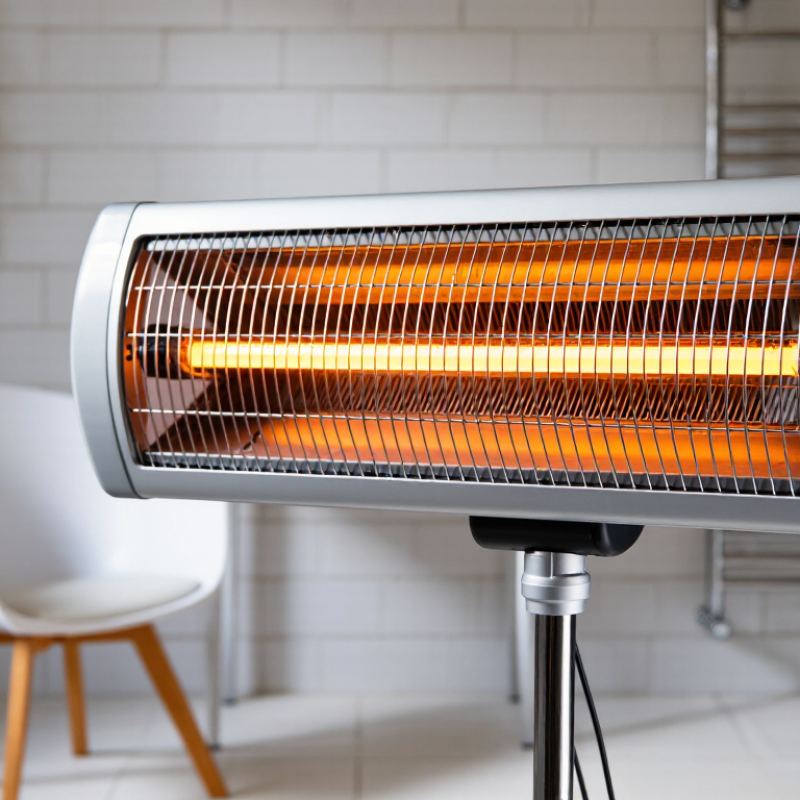
An infrared bar heater is a compact electric appliance that warms people and nearby surfaces through radiant heat. Unlike a conventional fan heater, it does not mainly circulate hot air around the room. Its glowing quartz, halogen, or carbon element sends infrared energy across a visible line of sight. Imagine standing near a warm patio heater: your hands may feel comfortable before the surrounding air changes significantly.

This distinction matters in modern energy discussions. The International Energy Agency reported that buildings used about 30% of global final energy in 2022. Heating remains a major part of that demand. The U.S. Department of Energy explains that electric resistance heaters convert nearly 100% of their electricity into heat at the point of use. However, this does not guarantee lower household energy bills. Electricity generation, room insulation, thermostat settings, and operating time still shape real performance.

The infrared bar heater has practical strengths. It can provide fast, focused warmth in bathrooms, workshops, balconies, and occasionally occupied rooms. It also avoids the moving dust associated with some fan systems. Yet its heat is directional. A chair outside the radiant path may stay cold. The device can feel efficient without consuming less electricity overall. That is the uncomfortable detail. This guide examines how infrared radiation works, where these heaters perform well, and why installation distance, surface temperature, ventilation, and electrical safety require careful attention. Evidence from IEA energy analysis, U.S. Department of Energy guidance, and ASHRAE thermal-comfort principles helps separate useful performance from optimistic marketing claims.
What Is an Infrared Bar Heater and How Does It Work?

What an Infrared Bar Heater Is

An infrared bar heater is an electric radiant-heating appliance designed to warm people and nearby surfaces directly. It uses an electrical element, often a heated metal tube or carbon-based filament, to produce infrared radiation. This radiation travels through the air and transfers heat when it reaches skin, furniture, floors, or walls. The air may warm later through secondary heat transfer.

It feels different from a fan heater. No blower pushes hot air around. The warmth is more like sunlight on your hands beside a cold window. Infrared radiation is invisible, although the element may glow red or orange when operating. The U.S. Department of Energy identifies radiant systems as heaters that deliver heat directly to surfaces and occupants, rather than relying mainly on air circulation.

Placement matters greatly. A bar heater works best when aimed toward the occupied area, with a clear path between the element and the user. Curtains, furniture, and high ceilings can reduce its practical effect. IEA’s 2023 Global Status Report for Buildings and Construction states that buildings use about 30% of global final energy and create around 26% of energy-related emissions. That figure explains the interest in targeted heating, but it does not prove every infrared heater saves energy. I once assumed direct heat always meant lower bills. That was too simple. Room size, operating time, insulation, and thermostat control still decide the result. Surface temperature also matters. A small heater can feel intense nearby, yet leave the far side of a room noticeably cool.

What Is an Infrared Bar Heater and How Does It Work?

An infrared bar heater uses an electrically heated element to emit thermal radiation. As the bar temperature rises, its peak emission shifts toward shorter infrared wavelengths, allowing radiant energy to travel directly to people and surfaces instead of heating the air first.

The peak wavelengths shown are calculated using Wien’s displacement law: λmax = 2898 ÷ temperature in kelvin. The values describe idealized thermal radiation and are not electrical power or heating-efficiency ratings.

Main Components and Their Functions

What Is an Infrared Bar Heater and How Does It Work?

An infrared bar heater warms people and surfaces directly, rather than heating all the air first. Its main component is the heating element, usually a metal coil or resistant strip inside a quartz or ceramic tube. When electricity passes through it, the element becomes hot and emits infrared radiation. You can feel this warmth quickly on your skin, similar to standing in sunlight.

The reflector sits behind the element. It directs more heat toward the room and reduces energy loss through the rear housing. A protective grille covers the front, preventing accidental contact with the glowing element. The outer casing supports these parts and must tolerate repeated heating and cooling. Mounting brackets keep the heater at a stable angle. Small details matter here. A loose bracket can change the heating direction.

The control system may include a switch, thermostat, timer, or remote receiver. A thermostat measures room temperature and can reduce power after reaching its setting. Many units also contain a thermal cut-out. This safety device interrupts power if internal temperatures rise too far. Wiring and insulation must match the heater’s electrical load. A qualified electrician should handle fixed connections.

Keep curtains, furniture, and other combustible materials beyond the clearance stated in the instructions.

The reflector is not merely decorative, although it can look that way. It strongly affects comfort and efficiency. Still, infrared warmth is uneven if the heater is mounted too high or pointed poorly. That limitation is easy to overlook.

How Infrared Radiation Produces Heat

What Is an Infrared Bar Heater and How Does It Work?

An infrared bar heater converts electrical energy into radiant heat. Its resistance element becomes extremely hot, then emits infrared radiation through the surrounding air. Unlike a conventional fan heater, it does not mainly warm the air first. Infrared waves travel across the room and are absorbed by skin, furniture, walls, and floors. Those surfaces then release heat gradually. You can feel this effect on your hands within seconds.

The U.S. Department of Energy’s Energy Saver guidance explains that radiant systems can heat occupants and surfaces directly, supporting zoned heating. The ASHRAE Handbook also identifies mean radiant temperature as a major factor in thermal comfort. This matters because a room can feel warmer without reaching a high air temperature. The International Energy Agency reported that building operations used about 30% of global final energy in 2022. Targeting occupied areas may reduce unnecessary heating, although savings depend on insulation, controls, and usage.

Infrared radiation needs a clear path. Objects behind furniture receive less energy. Drafts still make people feel cold. My first assumption was simple: higher surface temperature must mean better comfort. Not always. A very hot bar can create bright warmth near the heater while distant corners remain uncomfortable. Reflectors, mounting height, room layout, and safe clearance therefore matter. The U.S. Department of Energy also notes that radiant heating performance depends strongly on installation and control. That detail is easy to overlook.

What Is an Infrared Bar Heater and How Does It Work? - How Infrared Radiation Produces Heat

Data Dimension Typical Value or Range How It Relates to Heating
Heating principle Thermal infrared radiation The heater radiates energy directly toward people, surfaces, and objects instead of relying mainly on warmed air.
Main heating element Resistive metal wire, strip, or tubular element Electrical resistance converts electrical energy into heat, raising the element to a high temperature.
Common infrared band Approximately 0.7–1000 micrometres (µm) Infrared is electromagnetic radiation beyond visible red light; heating bars commonly emit primarily short-, medium-, or long-wave infrared.
Typical operating temperature About 300–1,000°C, depending on design A hotter element generally emits more radiant power and shifts its strongest emission toward shorter infrared wavelengths.
Peak wavelength examples 500°C: approximately 3.7 µm; 800°C: approximately 2.7 µm These approximate values follow Wien’s displacement law: hotter emitters have shorter peak wavelengths.
Electrical input Common household models: approximately 500–2,400 W Higher wattage usually provides more total heat output, although coverage also depends on mounting height, direction, and insulation.
Electrical-to-heat conversion Nearly 100% at the point of use Almost all electrical input becomes heat within the heater; the useful radiant share depends on element and reflector design.
Primary heat-transfer path Radiation across line of sight Infrared travels outward and is absorbed by exposed surfaces, which then warm the surrounding area and air.
Effect on air movement Low forced-air movement Because no fan is required, infrared bar heaters generally create less dust-carrying airflow than fan heaters.
Reflector function Directs radiant energy toward the target area A reflective surface behind the element can reduce backward losses and improve directional heating.
Warm-up response Short-wave types: seconds; long-wave types: several minutes Response time varies with element mass, operating temperature, and whether the design uses a glowing or enclosed emitter.
Best operating condition Clear line of sight to the heated zone Walls, furniture, screens, and other obstructions can block or absorb radiation before it reaches the intended area.
Key safety consideration Maintain manufacturer-specified clearance The element and nearby surfaces can become very hot; correct installation helps reduce fire, burn, and electrical hazards.

Note: Actual performance varies with heater construction, operating temperature, room conditions, mounting position, and the properties of the objects being heated.

Common Infrared Bar Heater Designs

An infrared bar heater warms people, floors, and nearby furniture through radiant energy. Unlike a fan heater, it does not need to circulate large amounts of air. Its heating element becomes hot and sends infrared waves across the room. You feel the effect quickly. Common designs differ in their elements, reflectors, and mounting styles.

A quartz-tube design uses a fine resistance wire inside a glass tube. It heats rapidly and often produces a bright orange glow. A metal reflector behind the tube directs more warmth forward. Ceramic bar heaters place the resistance wire inside a solid ceramic body. They usually look less exposed and can hold heat steadily, but their response may feel slower. Carbon-based tubes offer another option, with a softer glow and broad radiant coverage. Performance still depends on wattage and distance.

Single-bar heaters suit small seating areas. Multi-bar models spread warmth across wider spaces. Wall-mounted units save floor space, while portable frames allow more flexible positioning. A protective grille helps prevent accidental contact, though it can reduce airflow around the element. In practical use, I check the reflector for dust and inspect the cable before every season. Small details matter. A heater may feel powerful, yet poor placement can waste much of its energy. I am not fully convinced that the brightest glow means better comfort; measured coverage and safe clearance give more reliable evidence.

Typical Uses, Benefits, and Safety Considerations

An infrared bar heater warms people and nearby objects by emitting radiant heat. Unlike a fan heater, it does not mainly heat moving air. The glowing element sends infrared energy across the room, much like sunlight through a window. When the radiation reaches skin, furniture, or a work surface, those objects absorb energy and become warmer. The effect feels direct. However, room temperature may rise more slowly than expected.

These heaters suit bathrooms, covered patios, workshops, home offices, and chilly seating areas. They can provide focused warmth without heating an entire building. In my experience, positioning matters greatly. A heater aimed toward a desk can feel comfortable within minutes, while a poorly placed unit leaves cold spots. Infrared heating may also reduce wasted heat in a briefly occupied area. Still, energy savings are not automatic. Long operating times can increase electricity use.

Safety requires careful installation and regular observation. Keep curtains, towels, paper, bedding, and furniture away from the heating element. Follow the clearance distances in the manufacturer’s instructions. Do not cover the unit, even briefly. A bathroom model must be suitable for damp locations, with electrical protection installed correctly. Unusual smells, damaged cords, flickering, or darkened surfaces deserve immediate attention. Children and pets should not touch the hot guard or controls. I once underestimated how quickly nearby fabric could become hot. That assumption was unsafe. Turn the heater off before sleeping or leaving the room, and allow it to cool before cleaning.